
Texas and federal officials are engaged in a critical race against time to contain a re-emerging threat: the New World screwworm. The parasite, which can infest and consume live animal tissue, has been confirmed in several calves in South Texas, prompting swift containment measures.
Key Highlights:
- The New World screwworm has been detected in new cases in South Texas.
- Officials are implementing strict containment protocols to prevent further spread.
- This marks a concerning resurgence of a parasite that was once eradicated in the United States.
- Livestock owners are urged to be vigilant and report any suspected cases.
Texas on High Alert: The Resurgence of the Screwworm Menace
The re-emergence of the New World screwworm (Cochliomyia hominivorax) in South Texas has triggered an urgent response from state and federal agencies. This parasitic fly lays its eggs on the edges of wounds in warm-blooded animals, and the hatching larvae burrow into the living flesh, feeding voraciously. The U.S. Department of Agriculture’s Animal and Plant Health Inspection Service (APHIS) has confirmed the presence of the parasite in several calves in the region, necessitating immediate action to prevent a widespread outbreak.
Historical Context and Eradication Efforts
The New World screwworm was once a devastating pest in the United States, causing millions of dollars in losses annually due to livestock deaths and reduced productivity. Through a concerted binational effort between the U.S. and Mexico, involving the release of sterile male flies to disrupt reproduction, the screwworm was declared eradicated from the U.S. in 1966. However, sporadic introductions have occurred since then, primarily from Mexico, requiring ongoing vigilance and rapid response capabilities. This latest detection underscores the persistent threat posed by the parasite and the importance of maintaining robust surveillance and control programs.
Containment and Response Strategies
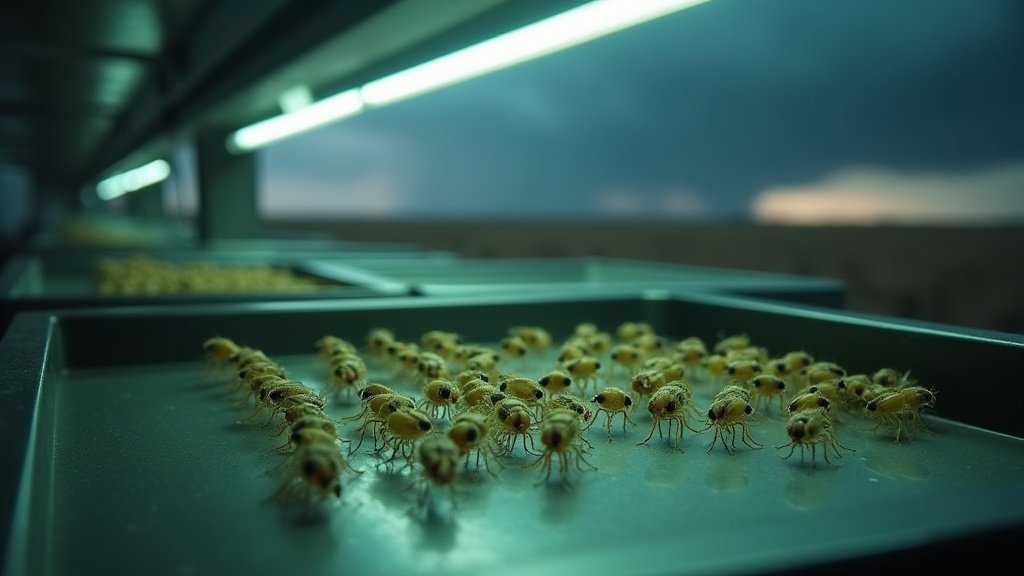
In response to the confirmed cases, Texas Animal Health Commission (TAHC) and APHIS are implementing a multi-pronged containment strategy. This includes establishing quarantine zones around affected premises to restrict the movement of livestock, conducting epidemiological investigations to determine the extent of the infestation, and deploying an aggressive sterile insect technique (SIT) program. SIT involves mass-rearing and releasing millions of sterile male screwworm flies into the affected area. When these sterile males mate with wild females, no offspring are produced, effectively collapsing the wild population over time. Public outreach and education are also critical components, urging veterinarians, ranchers, and animal owners to be on the lookout for signs of infestation, such as live larvae in wounds or open sores on livestock.
Economic and Agricultural Impact
The potential economic impact of a widespread screwworm outbreak on the Texas livestock industry, which is a significant contributor to the state’s economy, cannot be overstated. Livestock deaths directly reduce income for ranchers. Furthermore, the presence of screwworms can lead to trade restrictions, impacting the movement of animals and animal products. The cost of control measures, including the production and release of sterile flies, also represents a substantial financial investment. Proactive and swift containment is therefore paramount to safeguarding the agricultural sector and preventing broader economic repercussions.
FAQ: People Also Ask
What are the signs of screwworm infestation in livestock?
Signs include live, maggot-like larvae in wounds, sores, or mucous membranes of animals, particularly around the navel of newborns, castration sites, branding wounds, or any other skin injury. The affected tissue may appear swollen or inflamed.
How are screwworms treated?
Treatment involves carefully removing the larvae from the wound, cleaning the wound thoroughly, and applying an appropriate insecticide or wound dressing to prevent re-infestation. It is crucial to consult with a veterinarian for proper diagnosis and treatment.
Can screwworms affect humans?
While screwworms primarily affect livestock, they can, in rare instances, infest human wounds. The larvae can cause a condition known as cutaneous myiasis. Prompt medical attention is necessary if a human is suspected of being infested.
What is the role of APHIS in screwworm control?
APHIS, a division of the USDA, plays a crucial role in the national screwworm eradication and control program. This includes conducting surveillance, investigating potential outbreaks, managing the sterile insect technique program, and providing technical assistance to state animal health agencies.
Why is it important to report suspected screwworm cases immediately?
Early detection and rapid reporting are vital for effective containment. The faster officials can identify and isolate an outbreak, the more successful they will be in preventing the parasite from spreading to new areas, thus minimizing economic damage and protecting animal health across the state and beyond.