

Senator Shelley Moore Capito has signaled a critical legislative focus on restoring robust funding levels for the U.S. Border Patrol and Immigration and Customs Enforcement (ICE), framing the current appropriations and budgetary processes as the primary mechanism to ensure national security. As the fiscal conversation dominates Capitol Hill, Capito’s messaging underscores the tension between necessary operational funding for homeland security and the broader, often contentious, landscape of federal spending bills. This strategy places significant weight on the role of the Senate Appropriations Committee in shaping the enforcement capabilities of DHS agencies.
Key Highlights
- Senator Shelley Moore Capito identifies border security funding as a top priority within current legislative negotiations.
- The push seeks to ensure ICE and Border Patrol have the necessary resources for operational, logistical, and enforcement mandates.
- Legislative experts view these moves as essential for addressing the current strain on Department of Homeland Security resources.
- The debate highlights the ongoing struggle to balance fiscal responsibility with the pragmatic requirements of border management.
The Legislative Push for Operational Security
The dialogue surrounding border security has shifted from abstract policy rhetoric to concrete fiscal necessities. Senator Shelley Moore Capito, a senior Republican voice on the Appropriations Committee, has been vocal regarding the degradation of resources within the Department of Homeland Security (DHS). Her stance is that without specific, earmarked funding restorations, the agencies tasked with border integrity—ICE and the U.S. Border Patrol—cannot adequately execute their core missions. This is not merely an ideological disagreement; it is a mechanical assessment of federal spending, where policy intent meets the reality of logistical limitations.
Analyzing the Appropriations Strategy
While the concept of reconciliation is often cited in budget debates for its ability to bypass filibusters, the standard process for annual DHS funding remains the appropriations track. Senator Capito’s approach emphasizes that the upcoming budget cycles must treat border funding as a non-negotiable imperative rather than a bargaining chip. By centering the conversation on agency readiness, Capito aims to build bipartisan pressure, arguing that a functional border is a prerequisite for a functional nation.
The Impact on DHS Operations
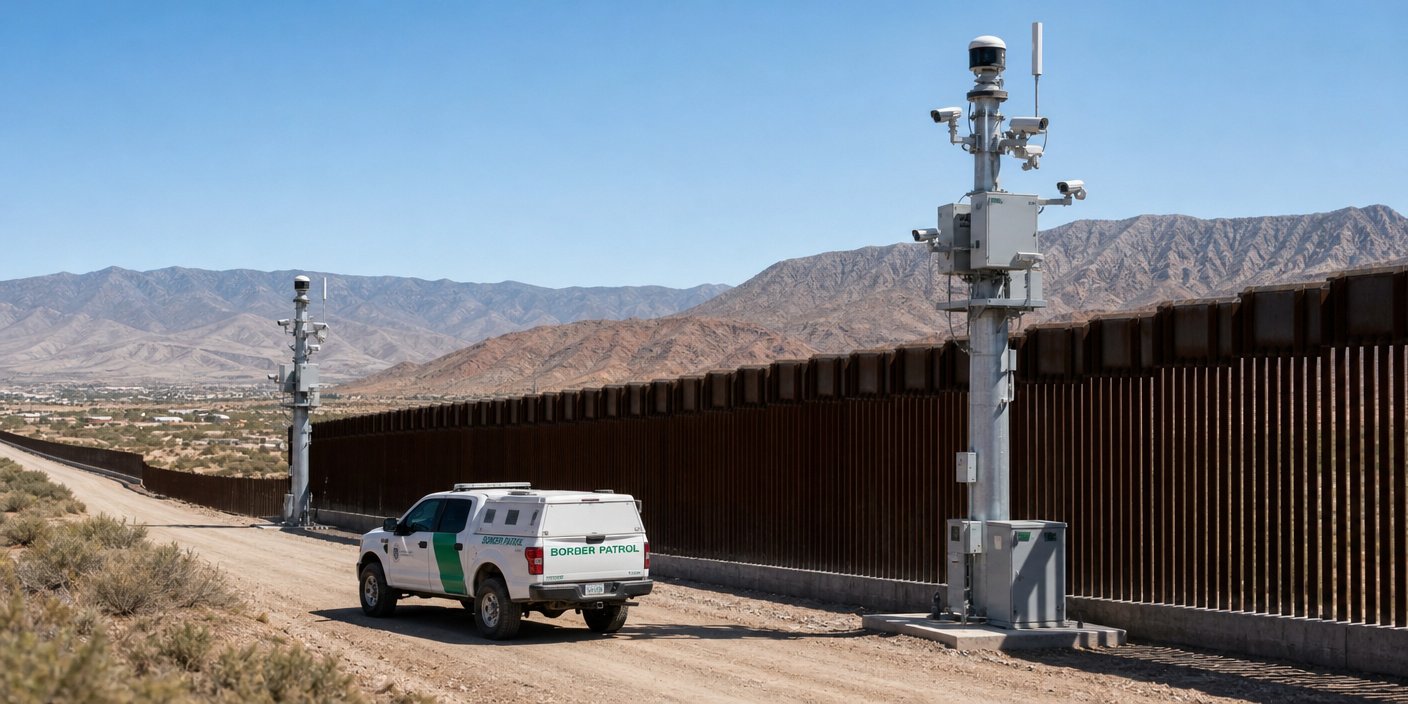
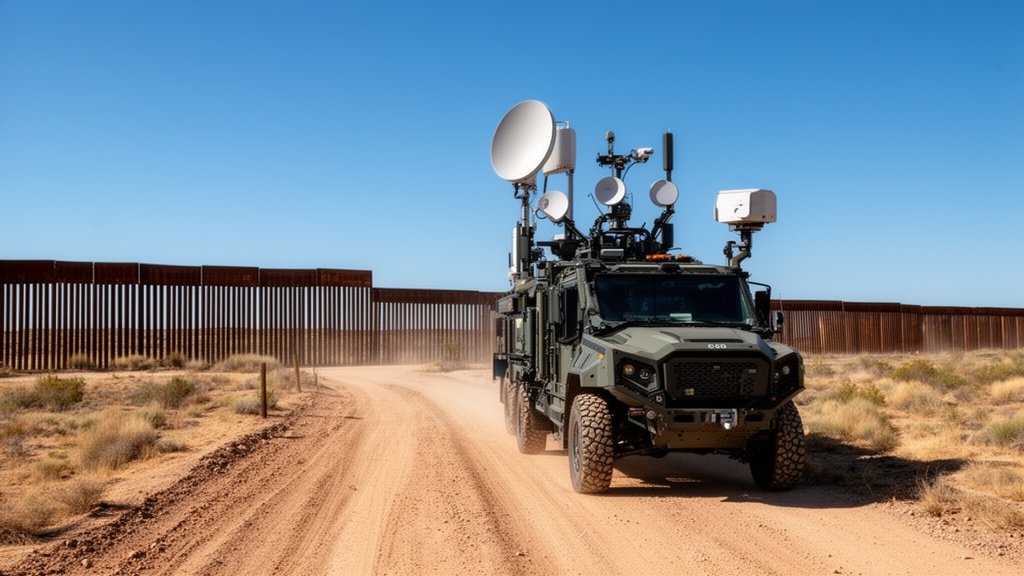
At the ground level, funding shortfalls ripple through the entirety of DHS operations. For Border Patrol, this manifests in outdated surveillance technology, maintenance backlogs for fencing, and fatigue-induced staffing gaps. For ICE, the budgetary constraints affect everything from detention facility capacity to the legal processing of immigration cases. Capito’s push is essentially an effort to modernize the enforcement architecture, ensuring that agents have the technological advantage—such as AI-driven sensors and modernized patrol vehicles—to counter increasingly sophisticated smuggling operations.
Economic and National Security Implications
The nexus between fiscal policy and border security is profound. Critics and proponents alike acknowledge that funding is the lifeblood of security infrastructure. However, the economic impact extends beyond the border itself. Efficient border processing facilitates trade and commerce, while chaotic, underfunded sectors introduce volatility that can dampen local economies in border states. Senator Capito’s strategy suggests that economic stability is inherently tied to the rule of law at the border.
A Historical Perspective on Border Funding
Historically, border funding disputes have cyclical patterns, often intensifying during election cycles or periods of heightened migration. Unlike past disputes that focused primarily on the volume of personnel, the current discourse—led by figures like Capito—is increasingly technical. It emphasizes the need for ‘force multipliers,’ which include sophisticated drone surveillance, high-speed interception capabilities, and advanced biometric identification tools. The shift is from ‘boots on the ground’ to ‘intelligence-driven security.’
Future Predictions and Legislative Hurdles
Looking ahead, the road to securing these funds faces significant legislative hurdles. With a divided Congress, Capito’s strategy relies on compelling the opposition to acknowledge the operational failures caused by the status quo. If the appropriations bills fail to pass in a timely manner, we can expect continuing resolutions (CRs) to freeze funding at current levels, which experts warn will lock in the very deficiencies that Senator Capito is seeking to rectify. The next quarter will be a litmus test for the legislative influence of the Appropriations Committee to force these issues to the floor.
FAQ: People Also Ask
1. What is the role of the Appropriations Committee in this context?
The Appropriations Committee is responsible for writing the legislation that allocates federal funds to specific government departments. In this case, it decides exactly how much money DHS, ICE, and Border Patrol receive for their annual operations.
2. Why does Senator Capito focus on ICE and Border Patrol funding?
Senator Capito argues that these agencies are the front line of national security and that current funding levels are insufficient to manage the volume of operational challenges at the U.S. border, leading to potential risks to national stability.
3. How does this differ from traditional immigration reform?
Traditional immigration reform typically deals with visa policies, legal status, and pathways to citizenship. This legislative push is focused exclusively on the ‘enforcement’ side: the fiscal resources, technology, and staffing required for agencies to physically secure the border.