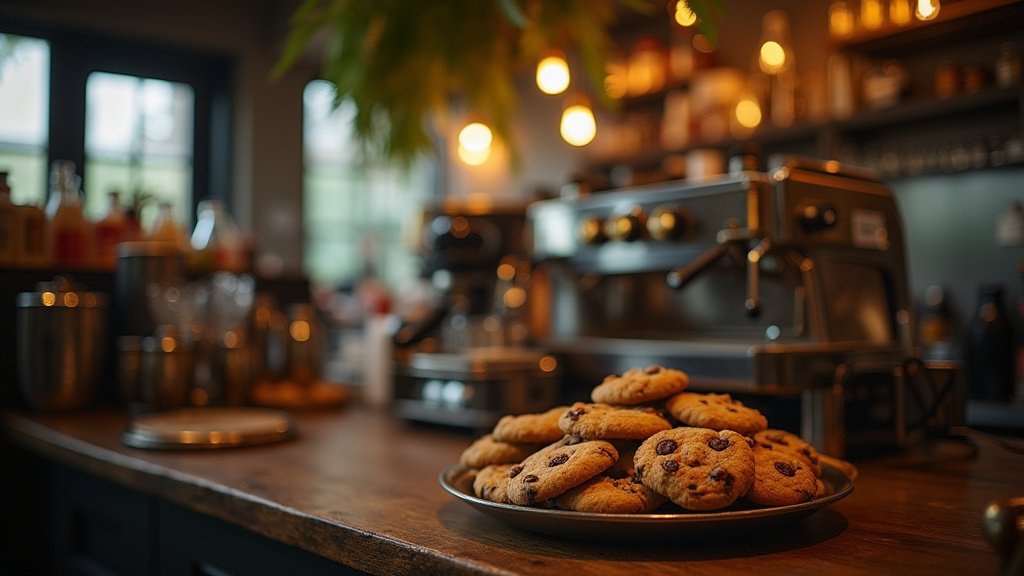
Maman, the New York-based café empire celebrated for its rustic French-inspired aesthetic and cult-favorite nutty chocolate chip cookies, has officially expanded its Texas footprint, opening its doors today at the Hillside Village shopping center in East Dallas. This highly anticipated launch marks the brand’s second Dallas location, signaling a strategic and aggressive push into the North Texas market as the company rapidly scales its operations from a boutique urban phenomenon to a major regional player in the coffee and bakery industry.
The Maman Phenomenon: More Than Just Coffee
Founded in 2014 in New York City’s SoHo neighborhood by co-founders Elisa Marshall and Ben Sormonte, Maman—which translates to “mother” in French—was built on a foundation of nostalgia. The brand captured the collective imagination of urbanites by creating spaces that felt like an extension of one’s own home rather than a sterile corporate coffee chain. By prioritizing hand-crafted, family-inspired recipes, Maman successfully bridged the gap between a high-end French patisserie and a cozy neighborhood gathering spot.
As the brand has grown to over 50 locations across the United States, its signature blue-and-white toile decor, vintage-inspired furnishings, and hanging florals have become instantly recognizable visual signatures. In an era where digital presence dictates retail success, Maman has mastered the art of the “Instagrammable” experience without sacrificing the quality of its culinary offerings. The expansion into Dallas is not merely a geographic pivot; it is a calculated bet on the city’s burgeoning demand for “third places”—physical venues that serve as the vital social anchors for communities between home and work.
A Texas-Sized Menu Transformation
While Maman remains deeply rooted in its French culinary DNA, the Dallas locations represent a significant evolution in their product strategy: localization. Recognizing that the Dallas palate demands both quality and a touch of regional flair, the brand has introduced a series of Texas-exclusive items that have already begun to generate significant buzz.
Among the new offerings are the “Magnolia Sweet Tea Fizz,” a refreshing blend of cold-steeped magnolia bud tea, Topo Chico, and local Texas wildflower honey, finished with fresh mint. The food menu also features a daring “Cheesy Brisket Croissant Roll,” which incorporates Texas-smoked brisket, sharp cheddar, and herbs into the brand’s quintessential buttery pastry dough. The “Lone Star Cinnamon Bun” and the “Salted Caramel Pecan Pie Roll” further bridge the gap between traditional French techniques and Southern comfort food, proving that Maman is not a one-size-fits-all franchise, but a dynamic, adaptable culinary entity.
Strategic Growth in the Dallas Landscape
The decision to plant roots in Hillside Village at 6465 E. Mockingbird Lane is strategic. The shopping center acts as a crucial hub for the Lakewood and East Dallas communities, areas known for high foot traffic and an appreciation for neighborhood-centric retail. Maman is moving into the space formerly occupied by Palmer’s Hot Chicken, a move that allows them to leverage existing infrastructure while completely reinventing the space with their signature “South of France” aesthetic.
Industry analysts tracking Maman’s progress observe that this is not an isolated opening but part of a wider ecosystem being built across the region. With existing operations at the Plaza at Preston Center and confirmed pipeline projects in Casa Linda, Frisco, and the Design District, Maman is effectively cornering the market on upscale, day-time culinary experiences. This aggressive growth strategy suggests that the brand is positioning itself to be the dominant player in the “premium café” segment of DFW, challenging both local artisanal roasters and larger national chains by offering a distinct, high-concept atmosphere that is difficult to replicate at scale.
The Design District and Beyond: The Economic Impact
The economic implications of Maman’s expansion extend beyond the immediate retail environment. As the brand targets diverse neighborhoods—from the upscale Preston Center to the arts-focused Design District—it is catalyzing real estate interest. In urban planning, the introduction of a “lifestyle” brand like Maman often serves as a lagging indicator of a neighborhood’s maturity. When high-end, aesthetic-driven retail follows, it signals to developers and investors that an area has reached a critical mass of disposable income and cultural demand.
Furthermore, the physical build-out of these locations involves significant capital investment. At the Hillside Village site, which boasts 4,620 square feet and seating for 116 guests, the attention to detail—from the custom carpentry to the curated interior design—reflects a commitment to the long-term viability of these spaces. Unlike “pop-up” retail trends, Maman is investing in infrastructure, suggesting they intend to serve as the “community living room” for their neighborhoods for the next decade or more.
Challenges and Competition
Despite its success, the path ahead for Maman in Dallas is not without friction. The DFW coffee scene is notoriously competitive, featuring a mix of highly loyal independent roasters and established regional giants. The brand must navigate the challenge of maintaining its “authentic” feel as it scales rapidly. Achieving consistency across 50+ locations is difficult, and doing so while maintaining the high quality of hand-made pastries is a logistical hurdle that many food-and-beverage chains have failed to clear in the past.
However, Maman’s secret weapon may be its versatility. By operating as a full-service café during the day and a potential event space in the evenings, the brand maximizes the revenue-generating potential of its footprint. In an inflationary environment where commercial rents are rising, the ability to pivot between retail, event hosting, and high-margin food service provides a level of economic resilience that traditional coffee shops often lack.
The Future of the Café Experience
As we look toward late 2026, the question is whether the Maman model will continue to scale. If the reception in Hillside Village mirrors the opening-day lines at Preston Center, it is a strong indicator that the brand has achieved “must-visit” status. For Dallas residents, the new location is more than just a place to buy a $4 croissant or an espresso; it is a signal of the changing face of local retail. The modern consumer is moving away from purely transactional experiences toward environments that offer comfort, beauty, and social utility. Maman has capitalized on this psychological shift, and if their current trajectory holds, they are poised to become a staple of the North Texas lifestyle for years to come.