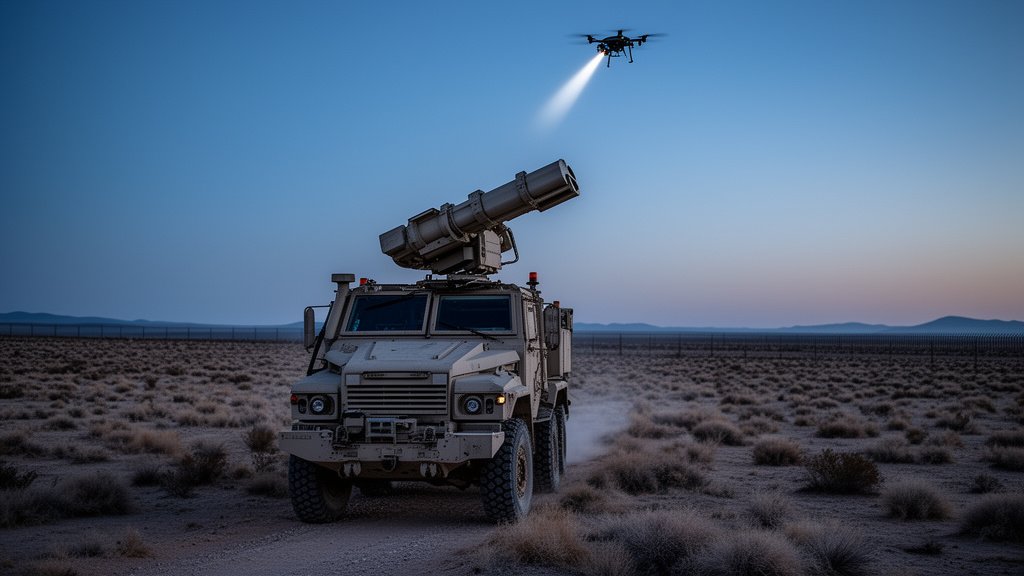


U.S. Customs and Border Protection (CBP) has significantly altered its strategy for the southern border in Big Bend National Park, shifting away from extensive border wall construction towards a more technologically driven approach. This pivot signals a broader trend in border security, emphasizing digital surveillance and advanced monitoring systems over traditional physical barriers.
Key Highlights:
- CBP is reducing its reliance on building new border wall segments in Big Bend.
- The agency is prioritizing investments in advanced surveillance technology.
- This change reflects a strategic shift in border security policy.
- The move aims to improve detection and response capabilities through innovation.
The Shifting Sands of Border Security
In a notable departure from previous policies, U.S. Customs and Border Protection (CBP) has announced a scaled-back plan for its border wall project in the sensitive Big Bend region of Texas. The agency is now set to significantly reduce the scope of new wall construction, redirecting its focus and resources towards sophisticated, high-tech surveillance systems. This strategic realignment underscores a growing consensus within border security circles that a multi-layered approach, heavily reliant on technology, is more effective and adaptable than solely physical impediments.
Rationale Behind the Pivot
The decision to scale back the physical wall in Big Bend appears to be driven by several factors. Environmental concerns within the vast and ecologically rich Big Bend National Park have long been a point of contention, with conservation groups advocating for minimal disruption to the natural landscape. Furthermore, the sheer ruggedness and vastness of the terrain in Big Bend present unique challenges for traditional wall construction, making it an expensive and logistically complex undertaking. CBP officials have indicated that the new strategy aims to leverage advancements in sensor technology, aerial surveillance, and data analytics to provide a more comprehensive and dynamic understanding of border activity. This allows for quicker identification of potential threats and more efficient allocation of resources.
Technological Advancements in Border Monitoring
The emphasis is shifting towards an array of cutting-edge technologies. This includes the deployment of advanced radar systems, infrared cameras capable of operating in low-light conditions, seismic sensors to detect movement, and sophisticated drone fleets for aerial reconnaissance. The integration of these systems into a unified command and control network is paramount. CBP envisions a future where real-time data streams from various sensors are analyzed by artificial intelligence (AI) and machine learning algorithms to provide border patrol agents with actionable intelligence. This allows for predictive analysis, enabling agents to anticipate movement patterns and interdict illicit activities more effectively. The goal is not just to detect, but to understand and react with unprecedented speed and precision.
Implications for Border Management
This strategic shift has significant implications for how the U.S. southern border is managed. While physical barriers can serve as a deterrent, they are often static and can be circumvented. High-tech surveillance offers a more flexible and responsive solution. It can cover larger areas more efficiently and provide continuous monitoring, regardless of terrain. However, the effectiveness of these technologies relies heavily on robust infrastructure, continuous maintenance, and highly trained personnel to operate and interpret the data. The cost of implementing and maintaining such sophisticated systems is also substantial, though proponents argue it may offer a better return on investment in the long run compared to large-scale wall construction.
Community and Environmental Considerations
The reduction in physical wall construction is likely to be welcomed by environmental groups and local communities concerned about the impact of such projects on the delicate ecosystems and the aesthetics of the Big Bend region. The park is renowned for its natural beauty and biodiversity, and extensive construction could have had irreversible consequences. By prioritizing technology, CBP may be able to achieve its security objectives with a lesser environmental footprint. However, the presence of any border infrastructure, even technological, can still raise concerns about land use and potential impacts on wildlife corridors. Ongoing dialogue and collaboration with stakeholders will be crucial.
Future Outlook
The pivot in Big Bend is indicative of a broader reassessment of border security strategies across the nation. As technology continues to evolve, agencies like CBP will likely continue to explore innovative solutions. The success of this new approach will depend on sustained investment, effective integration of diverse technologies, and the ability to adapt to ever-changing challenges along the border. This move suggests a future where border security is increasingly defined by data and digital capabilities, complementing, rather than being solely replaced by, physical infrastructure.
FAQ: People Also Ask
What is CBP?
CBP, or U.S. Customs and Border Protection, is a federal law enforcement agency responsible for protecting U.S. borders against terrorism, smuggling, and illegal immigration. It is part of the Department of Homeland Security and is the unified customs and border protection agency of the United States.
Why is Big Bend a challenging area for border security?
Big Bend National Park is characterized by its vast, remote, and rugged terrain, including mountains, deserts, and the Rio Grande river. This makes it extremely difficult and expensive to patrol and secure using traditional methods like physical walls.
What kind of high-tech surveillance is CBP using?
CBP is deploying a range of technologies such as advanced radar, thermal imaging cameras, seismic sensors, aerostats (tethered surveillance balloons), drones, and integrated data analysis software to monitor border activity.
What are the environmental concerns regarding border wall construction in Big Bend?
Environmental groups have raised concerns that border wall construction could disrupt sensitive ecosystems, harm endangered species, impede wildlife migration, and negatively impact the natural beauty and integrity of Big Bend National Park.
Will CBP completely abandon border wall construction?
While CBP is scaling back wall construction in specific areas like Big Bend and prioritizing technology, it is unlikely to completely abandon physical barriers. The agency often employs a layered security approach that may include a combination of technology, personnel, and physical infrastructure depending on the specific location and threat assessment.