

The Trump administration’s push to erect border security infrastructure in the ecologically sensitive Big Bend region is drawing significant criticism, with opponents arguing that the proposed measures are unnecessary and will inflict irreparable harm on the environment and local communities. U.S. Customs and Border Protection (CBP) has outlined plans that include extensive surveillance technology, over 200 miles of new patrol roads, and 17 miles of vehicle barriers, with some construction slated for the fragile river corridor. These proposals come despite claims that the area has historically experienced peaceful border crossings, raising questions about the justification for such drastic actions and the waiver of federal environmental protections to expedite construction. The potential consequences include habitat fragmentation, disruption of wildlife corridors, and restricted access to critical water sources for vulnerable species, alongside significant privacy concerns stemming from advanced digital surveillance systems.
Environmental Scars and Security Overreach
The Ecological Stakes in Big Bend
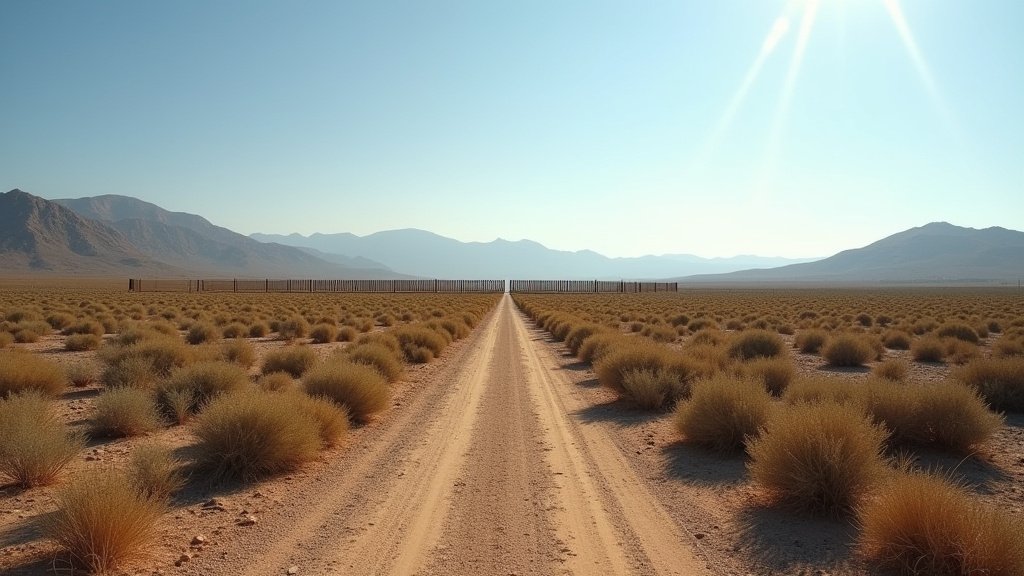
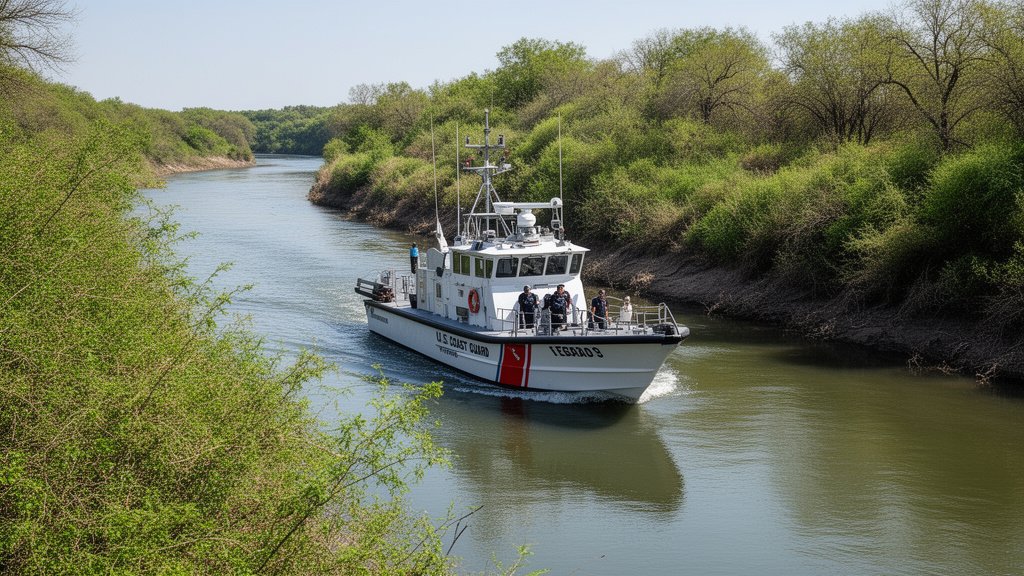
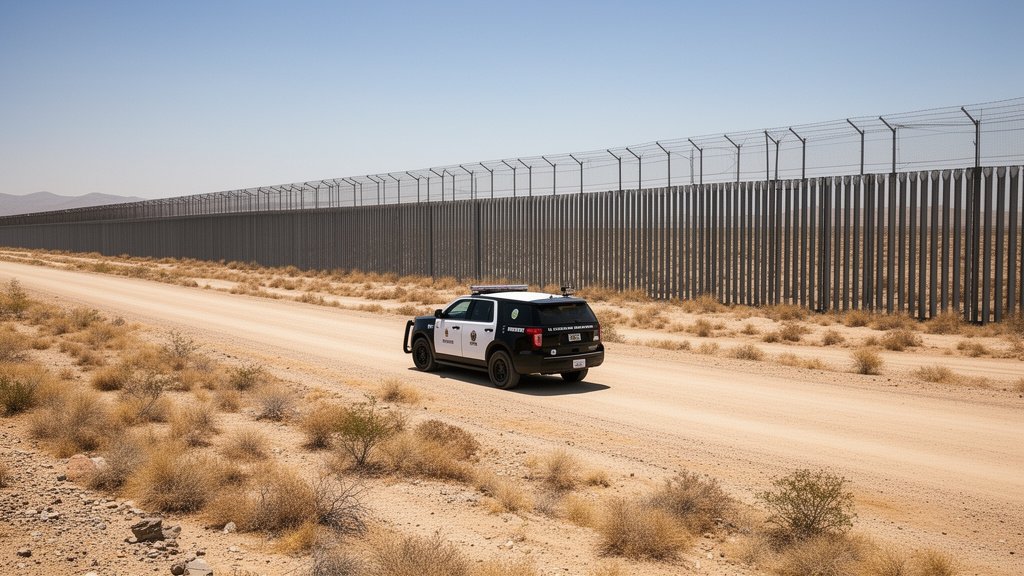
The Big Bend region, renowned for its unparalleled biodiversity and rugged natural beauty, is at the center of a contentious debate over proposed border infrastructure. The Trump administration’s intent to bypass environmental regulations, including the Endangered Species Act and the National Environmental Policy Act, to fast-track construction of surveillance towers, patrol roads, and vehicle barriers highlights a deep divide between national security objectives and conservation imperatives. Proposals detail a staggering 205 miles of new patrol roads and 17 miles of vehicle barriers, some of which are planned along the Rio Grande river corridor, a vital artery for both human and animal life in the arid landscape. Environmental advocates warn that this infrastructure will lead to severe habitat fragmentation, isolating critical populations of native wildlife such as jaguars, ocelots, and bighorn sheep. Furthermore, the physical barriers could obstruct vital migration routes and critically, block access to scarce water resources, exacerbating the vulnerability of already endangered species. The economic implications for local communities reliant on eco-tourism and the intrinsic value of preserving this unique ecosystem are also significant considerations being overshadowed by security concerns.
Privacy in the Digital Borderlands
Beyond the tangible environmental damage, the proposed surveillance infrastructure raises profound privacy concerns for residents and visitors alike. The CBP’s plans encompass advanced digital monitoring systems, which critics argue will create an pervasive surveillance state in a region historically characterized by its remoteness and relative privacy. The continuous monitoring of vast tracts of land, including private properties and public lands, through aerial drones, sensors, and other technologies, risks eroding civil liberties. The potential for data misuse and the chilling effect on freedom of movement and association are significant ethical quandaries that remain largely unaddressed in the rush to implement security measures. The question of whether the purported security benefits outweigh these substantial privacy intrusions is a central point of contention.
Questioning the Necessity of Barriers
A core argument against the proposed barriers is the questionable necessity given the historical context of border crossings in Big Bend. Proponents of the border infrastructure often cite high rates of illegal border crossings as justification. However, critics, including many long-time residents and local law enforcement officials, contend that the region has not historically experienced the same scale of undocumented immigration as other sectors of the border. They argue that the peaceful nature of past crossings and the vast, often impassable terrain make extensive physical barriers less effective and more of a symbolic gesture. The focus on physical infrastructure, they suggest, diverts resources and attention from more nuanced and effective border management strategies, such as increased community policing, intelligence gathering, and addressing the root causes of migration. The environmental and social costs, therefore, appear to be disproportionately high for a security solution that may not even be the most effective.
FAQ: People Also Ask
What environmental protections are being waived for border barriers in Big Bend?
The Trump administration is waiving several federal environmental laws, potentially including the Endangered Species Act and the National Environmental Policy Act, to expedite the construction of border security infrastructure in the Big Bend region.
What specific infrastructure is being proposed for Big Bend National Park?
Proposals include approximately 205 miles of new patrol roads and 17 miles of vehicle barriers, with some construction slated for the Rio Grande river corridor. Extensive surveillance infrastructure is also part of the plan.
What are the main environmental concerns regarding the proposed border barriers?
Key concerns include habitat fragmentation, the isolation of animal populations, blocking access to vital water sources for vulnerable species, and disruption of wildlife migration corridors.
Why are critics questioning the necessity of border barriers in Big Bend?
Critics argue that Big Bend has historically experienced peaceful border crossings and that the rugged terrain makes extensive physical barriers less effective and more costly in terms of environmental and social impact compared to other border sectors.