
Texas faces a mounting crisis regarding its environmental health, a situation currently defined by two diametrically opposed political philosophies. The discourse centers on whether the state’s current air quality strategies—largely championed by Governor Greg Abbott—are sufficient to protect public health, or if they represent a dangerous blind spot that state legislators like Gina Hinojosa argue must be rectified through stricter, more realistic oversight. While the administration points to economic growth, critics highlight the reality of non-attainment zones and the long-term cost of environmental neglect.
The Abbott Doctrine: Deregulation and Industrial Protection
Governor Greg Abbott’s administration has consistently prioritized the energy sector, often framing environmental regulations as burdensome obstacles to Texas’ economic dominance. The core of this strategy involves a light-touch approach to the Texas Commission on Environmental Quality (TCEQ), the state agency responsible for monitoring air quality. Under this governance, the state has frequently challenged federal mandates from the Environmental Protection Agency (EPA), arguing that local control is superior to federal overreach. Proponents of this approach argue that Texas’ massive industrial base, particularly in the Permian Basin and the Houston Ship Channel, requires flexibility to compete globally. However, this philosophy often ignores the compounding effects of particulate matter (soot) and ozone on local populations, creating a friction point between state policy and federal compliance standards.
Hinojosa’s Push for Evidence-Based Accountability
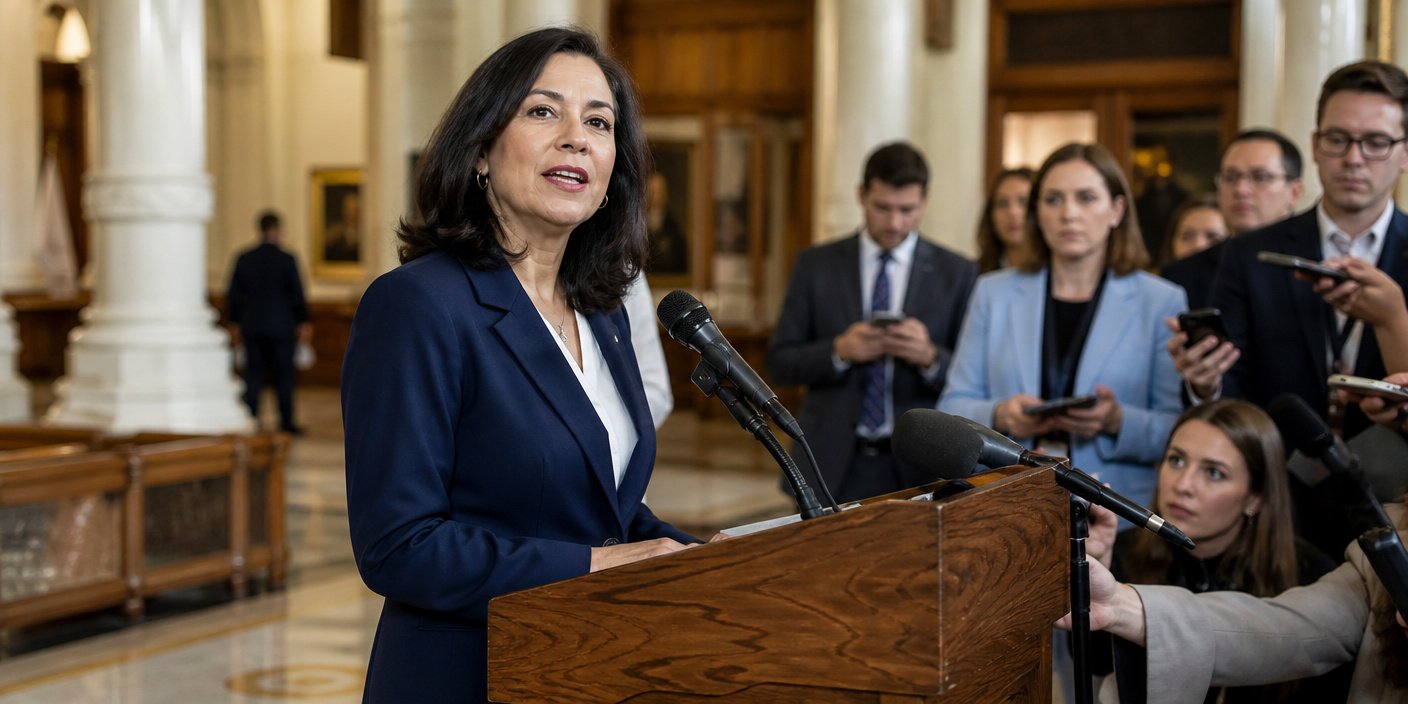
State Representative Gina Hinojosa has emerged as a vocal counterweight to the administration’s environmental rhetoric. Her platform posits that ‘pretending’ air quality is fine does not change the atmospheric reality of Texas’ most polluted industrial corridors. Hinojosa advocates for a policy shift that moves away from industrial self-regulation and toward rigorous, data-backed enforcement. Her focus is not merely on abstract environmentalism but on ‘environmental justice’—a framework emphasizing that low-income communities and communities of color often bear the brunt of industrial pollution. Hinojosa argues that the state must treat air quality monitoring as a public health imperative rather than a political negotiating chip, demanding that the TCEQ provide transparent, real-time data to the public rather than shielding industrial partners from scrutiny.
The Data Reality: Ozone and Non-Attainment Areas
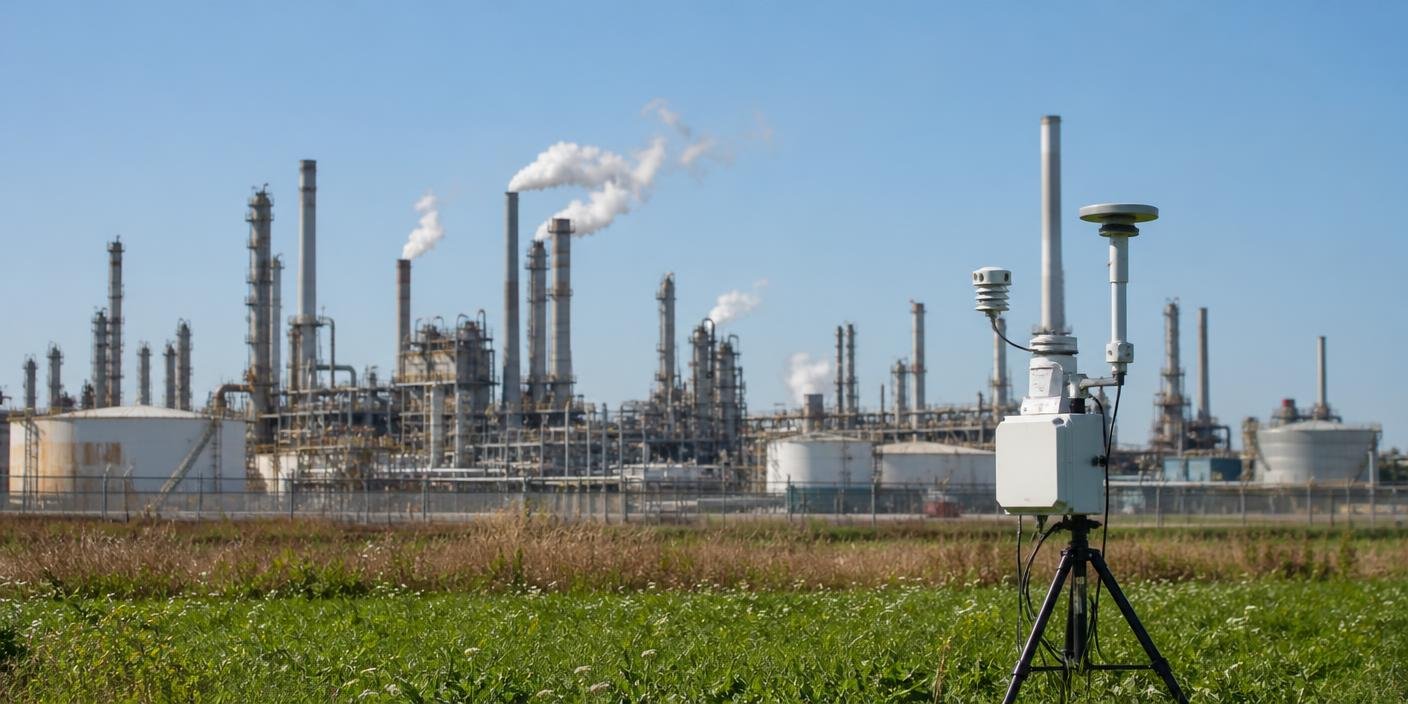
The conflict is grounded in concrete, often uncomfortable data. Large swaths of Texas, including the Dallas-Fort Worth metroplex and the greater Houston area, have repeatedly struggled to meet federal ozone standards established under the Clean Air Act. According to EPA data, these regions are frequently classified as ‘non-attainment’ areas, meaning ozone concentrations exceed the National Ambient Air Quality Standards (NAAQS). This is not a matter of opinion; it is a measurable health metric that correlates with increased rates of respiratory illness, asthma, and cardiovascular stress in urban populations. The administration’s tendency to downplay these statistics as ‘federal overreach’ creates a disconnect with the lived experience of Texans residing near major emission points, such as refineries and petrochemical plants.
Economic Impacts and Long-Term Sustainability
Beyond public health, there is a looming economic angle: compliance costs. When Texas areas remain in non-attainment, the state faces potential federal sanctions, which could ultimately impact federal highway funding and impose stricter industrial permitting requirements. This creates a secondary angle of economic risk that the current administration’s ‘deregulation-first’ strategy may inadvertently exacerbate. If the state refuses to enforce standards, the eventual federal intervention could be far more disruptive than the incremental, proactive changes proposed by figures like Hinojosa. Furthermore, as the corporate world pivots toward ESG (Environmental, Social, and Governance) investing, Texas’ reputation as an environmental laggard may begin to impact its ability to attract modern, sustainability-focused corporate headquarters.
Future Predictions: Can Texas Adapt?
The future of Texas air quality policy hinges on whether the state can reconcile its status as an energy powerhouse with the necessity of clean air. If the current trend holds, the cycle of litigation against the EPA and internal regulatory stagnation is likely to continue. However, the increasing visibility of health data in non-attainment areas is putting pressure on the state to move beyond mere rhetoric. Hinojosa’s approach represents a burgeoning movement within Texas politics to shift the focus from industrial protection to public health stewardship. Whether this translates into legislative change will depend on the state’s willingness to recognize that clean air is not an alternative to economic growth, but a prerequisite for a sustainable, healthy future.