
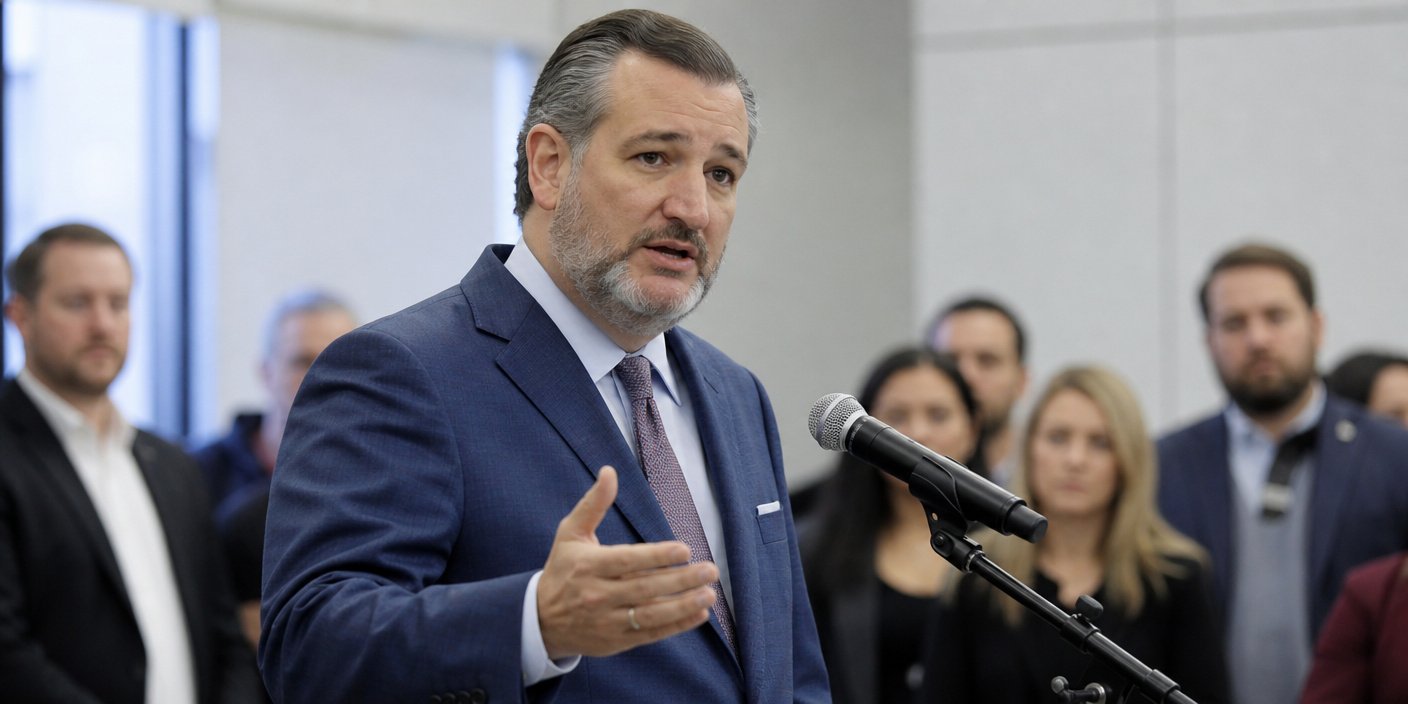
U.S. Senator Ted Cruz has officially launched ‘Saving Texas,’ a nonprofit organization focused on rebuilding Republican infrastructure and refining electoral strategy following a series of challenging midterm cycles. The initiative, announced this week, marks a proactive, long-range attempt by the Texas Senator to reclaim ground in the Texas House, signaling a move away from reactive campaign management toward a more sustained, systematic model of political organization. By targeting the 2028 election cycle, Cruz is explicitly positioning this effort as a foundation-building exercise, intended to identify, recruit, and fund conservative candidates who can align with the broader vision of the Texas GOP while navigating an increasingly complex electoral map.
The Strategic Blueprint for Saving Texas
The fundamental mission of ‘Saving Texas’ is to address the perception of institutional vulnerability within the Texas Republican Party. Following recent midterms where the GOP faced the loss of key statewide seats and narrow margins in suburban legislative districts, Senator Cruz has identified the need for a non-campaign entity that can operate independently of direct candidate committees. This nonprofit structure is designed to function as a pipeline for data analytics, voter engagement, and policy development. Unlike traditional political action committees that often focus on immediate, short-term advertising blitzes, ‘Saving Texas’ aims to cultivate a deeper infrastructure that will support candidates well before the primary season begins for the 2028 cycle.
The initiative focuses on three core pillars: advanced voter modeling, consistent conservative messaging, and the recruitment of high-quality candidates for the state legislature. By centralizing these resources, the organization intends to provide a competitive advantage in districts that have historically proven difficult for the party to hold. The focus on 2028 reflects an acknowledgement that restoring a robust majority in the Texas House requires a multi-year investment in grassroots organizing that cannot be achieved in a single election cycle.
The 2028 Legislative Battlefield
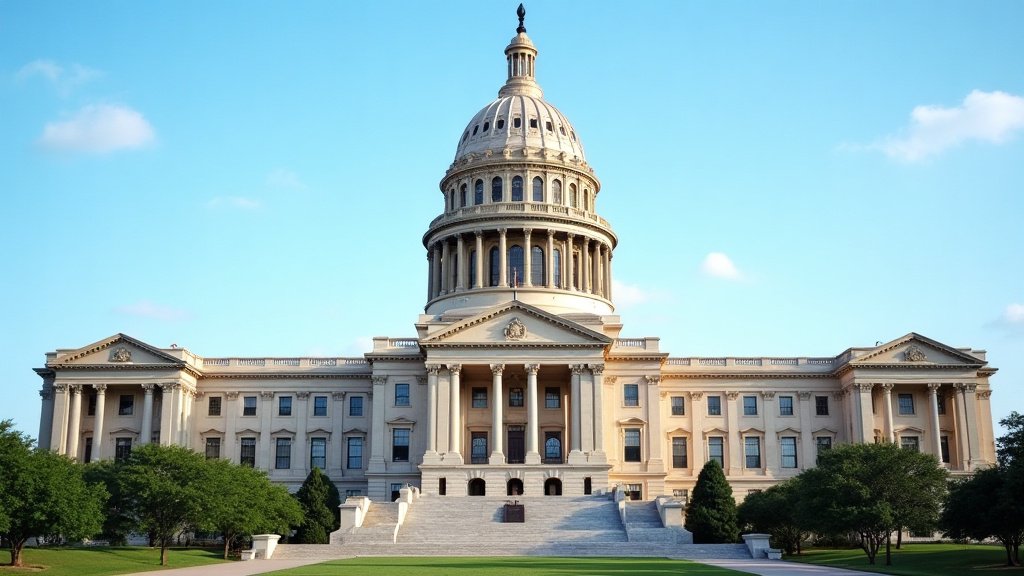
The target of ‘Saving Texas’ is arguably one of the most consequential arenas in the state: the Texas House of Representatives. In recent sessions, internal ideological shifts and friction between grassroots conservative factions and established leadership have complicated the GOP’s legislative agenda. Cruz’s involvement suggests an attempt to unify these factions under a broader, coherent banner of conservative governance.
By focusing on the 2028 timeline, the organization avoids the immediate political noise of the next interim, allowing for a methodical evaluation of legislative districts. The strategy involves analyzing demographic shifts in suburbs and rural areas alike to ensure the GOP message remains resonant. This is not merely about funding; it is about building a legislative ‘bench.’ The nonprofit plans to engage in educational outreach, effectively training candidates on the nuances of navigating the Texas legislative process, which has become increasingly sophisticated and contentious. The goal is to produce legislators who are not only ideologically aligned but also operationally prepared to pass and defend conservative policies immediately upon taking office.
Adapting to Modern Political Fundraising and Strategy
The reliance on a nonprofit structure allows ‘Saving Texas’ to operate with greater flexibility and long-term focus than candidate-specific campaigns. This shift mirrors a broader trend in national politics where institutional power is increasingly being consolidated in organizations that exist outside the formal campaign apparatus. By operating as a 501(c)(4) or similar entity, the organization can engage in issue advocacy that indirectly benefits the party’s platform while building a database of supporters that will be vital come 2028.
Furthermore, this strategy addresses the economic impact of political spending. By creating a more efficient allocation of resources, ‘Saving Texas’ seeks to reduce the cost-per-vote in tight districts, a metric that has become critical as campaign costs in Texas have skyrocketed. Investors and donors are reportedly watching the initiative closely, as it represents a shift toward data-driven, long-term political ROI rather than the ‘panic-buying’ of media time in the final weeks of an election.
Internal Dynamics and Future Predictions
Critics and supporters alike are noting the implicit message behind the launch: the Texas GOP must evolve to maintain its dominance. Secondary angles to this development include the potential impact on internal power structures. The involvement of a high-profile U.S. Senator in state legislative efforts inevitably alters the dynamic between statewide elected officials and the Speaker of the House.
Looking toward the future, the success of ‘Saving Texas’ will likely be measured by its ability to navigate the primary process. If the organization can successfully recruit and promote candidates who are both movement-conservative and electable in general elections, it could reshape the Texas House for the next decade. Conversely, any perception of ‘top-down’ interference from Washington could create friction with local activists who pride themselves on the decentralized nature of Texas politics. The coming months will be telling, as the organization begins to build out its staff and announce its initial series of initiatives. For the Texas Republican Party, the 2028 cycle is already underway, and with ‘Saving Texas,’ Senator Cruz has ensured that the battle for the future of the Lone Star State is being fought on a structural, rather than merely superficial, level.