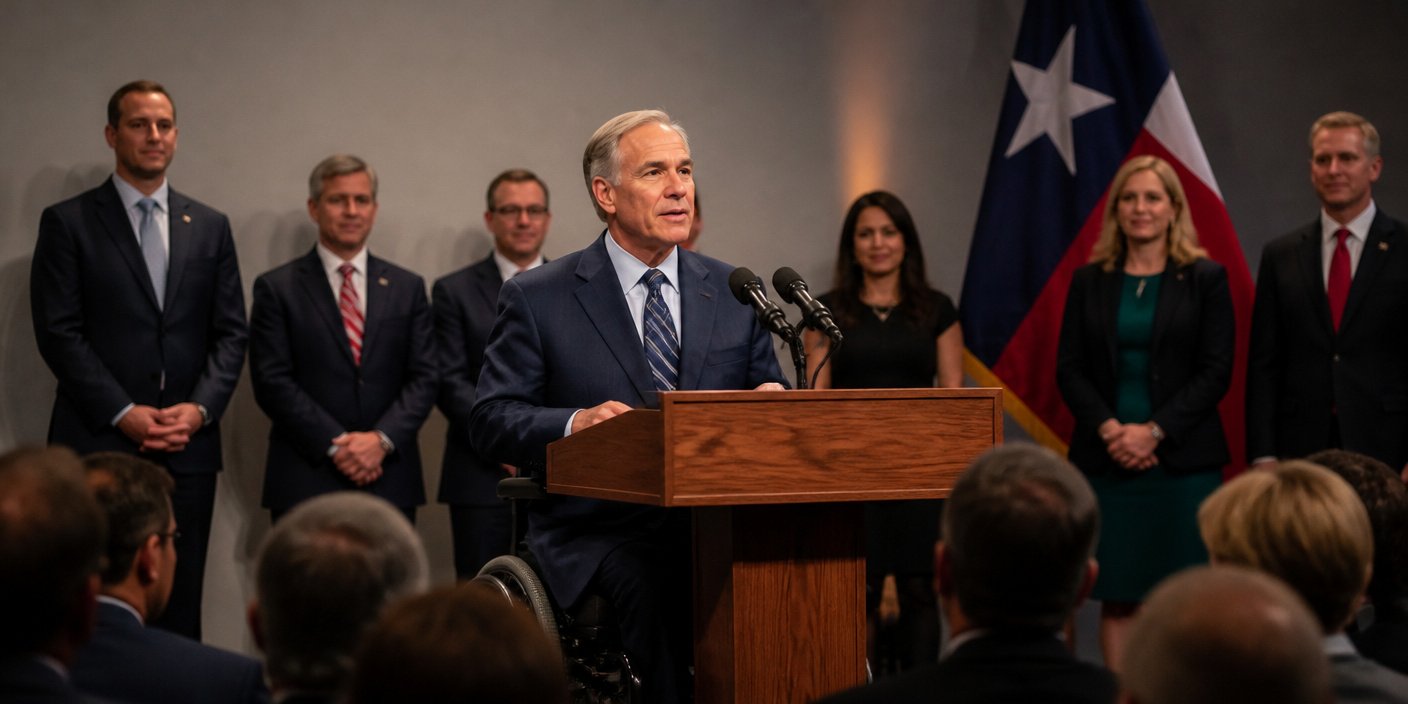

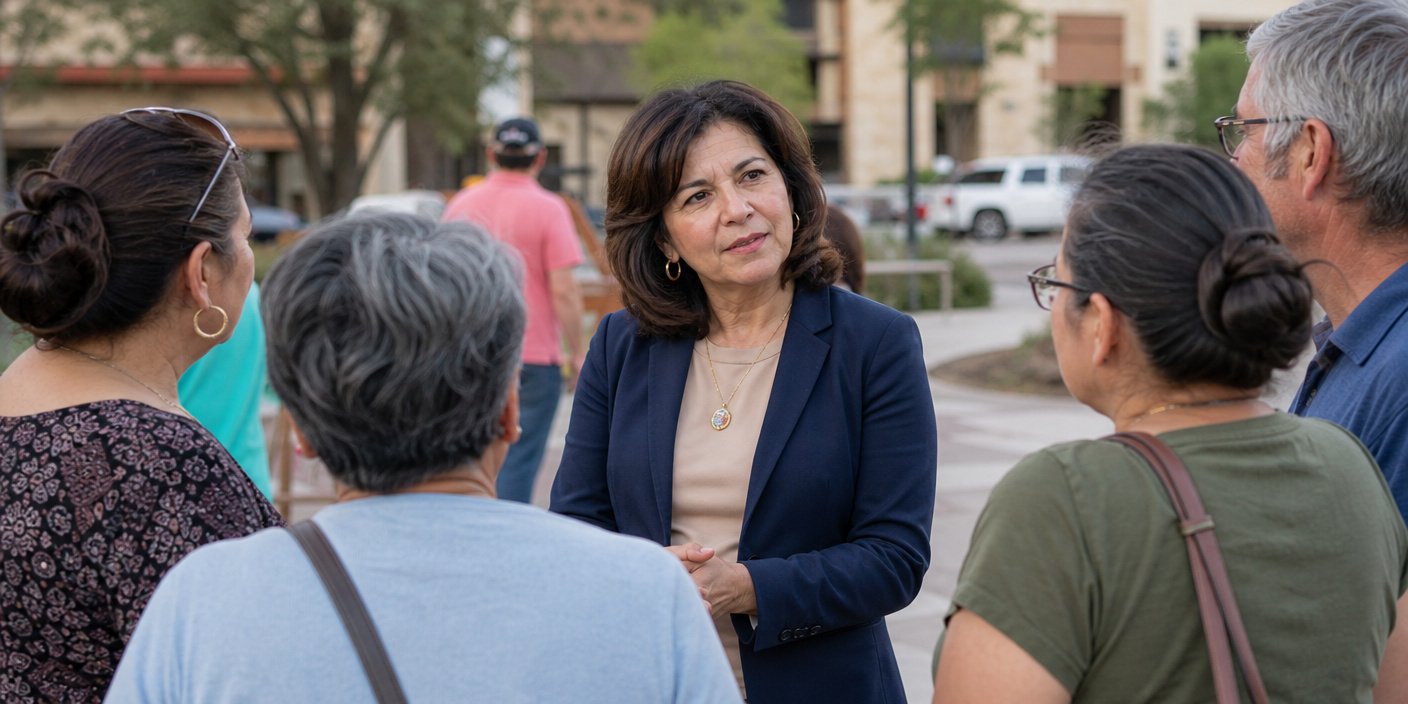
The Texas gubernatorial race has shifted into uncharted territory as Democratic challenger Gina Hinojosa rapidly ascends from a reliable state lawmaker to the most credible threat Governor Greg Abbott has faced in years. What was once considered a safe Republican stronghold now faces a new political reality, driven by Hinojosa’s disciplined, anti-corruption campaign that has successfully narrowed the polling gap to within the margin of error in key suburban battlegrounds.
Key Highlights
- The Anti-Corruption Wedge: Hinojosa has centered her platform on comprehensive ethics reform, specifically targeting transparency in state contracts and campaign finance, which has resonated with independent voters in major metropolitan corridors.
- Polling Momentum: Recent tracking polls indicate Hinojosa has shaved the governor’s lead down to single digits, representing the most significant compression of the margin for a Democratic challenger in over a decade.
- Strategic Fundraising: By prioritizing small-dollar, grassroots donations, Hinojosa has maintained a campaign velocity that allows for persistent media buys in high-cost markets like Dallas, Houston, and Austin.
- The Geographic Shift: The campaign is effectively leveraging high-density, rapidly growing urban and suburban districts, turning traditional rural-heavy turnout metrics into a more balanced and competitive statewide map.
The Anatomy of the Challenge: Hinojosa’s Rise
For years, the Texas political establishment viewed the gubernatorial race as a foregone conclusion. Governor Greg Abbott, bolstered by a massive war chest and decades of institutional power, had successfully neutralized previous challengers. However, Gina Hinojosa’s entry has disrupted this calculus. Her campaign is not built on broad, sweeping ideological promises, but rather on a surgically focused “Accountability First” platform.
Legislative Roots as a Force Multiplier
Unlike many challengers who enter statewide races with limited executive experience, Hinojosa utilized her tenure as a representative in the Texas State Legislature to master the intricacies of state policy. Her legislative background serves as the bedrock of her current campaign; she is not critiquing the government from the outside, but rather from the inside, identifying specific, actionable “systemic inefficiencies” within the current administration. This insider knowledge has allowed her to speak with granular authority on property tax reform, grid reliability, and the allocation of state resources—issues that impact the daily lives of Texans.
The Anti-Corruption Messaging Strategy
The core of Hinojosa’s campaign strategy lies in her aggressive stance on state corruption. By focusing on specific, documented instances of cronyism within state contract awards and the lack of transparency in public-private partnerships, she has managed to wedge a narrative that moves beyond the typical partisan “red vs. blue” conflict.
Her message is simple: the current administration prioritizes special interests over public service. This has proven particularly effective in the rapidly diversifying “collar counties” surrounding Texas cities. For suburban voters who may identify as moderate or independent, the promise of “clean government” acts as a powerful motivator, distinct from standard party-line rhetoric. It turns the election into a referendum on integrity rather than ideology.
The Quantitative Shift: Closing the Polling Gap
Data analysis from late-campaign tracking shows that Hinojosa has successfully eroded the governor’s reliable lead. In the “I-35 Corridor”—a stretch from San Antonio to the Dallas-Fort Worth metroplex—the polling gap has narrowed significantly.
What makes this shift sustainable is the campaign’s investment in a ground-level data operation. By targeting “low-propensity” voters in urban centers who were traditionally disenfranchised or uninterested, Hinojosa has expanded the total addressable electorate. Her campaign has effectively utilized micro-targeted digital advertising and a robust door-knocking program to turn these potential voters into active participants, a feat that previous campaigns often failed to execute at scale.
Secondary Angles: The Future of the Lone Star State
1. The Death of the ‘Safe Red’ Narrative
If Hinojosa continues to narrow the gap, the national perception of Texas as an impenetrable Republican fortress is fundamentally altered. This has massive implications for the National Republican Committee’s allocation of funds. If Abbott is forced to spend significant capital defending his own home turf, the downstream effects on congressional races and state house seats could be seismic, potentially signaling a realignment of Southern politics.
2. Digital Disruption in Campaign Finance
The Hinojosa campaign is a case study in decentralized fundraising. By bypassing traditional large-donor PACs in favor of a heavy volume of small, individual contributions, the campaign remains agile. This model reduces the influence of special interest groups and allows Hinojosa to pivot her messaging quickly in response to local issues without needing to clear strategy with major donors.
3. The Urban-Rural Divide
One of the biggest challenges remaining for Hinojosa is bridging the divide between urban centers and rural Texas. While her platform of transparency is universal, the messaging required to win in a major metropolis is inherently different from that required in the Panhandle or East Texas. Future success will depend on her ability to translate “anti-corruption” into “local economic growth” for rural districts that feel neglected by the current Austin-centric administration.
FAQ: People Also Ask
Q: How does Gina Hinojosa’s platform differ from previous Democratic challengers?
A: Previous challengers often focused on broad national issues. Hinojosa’s platform is hyper-localized, focusing on specific legislative “pain points” like state procurement processes, public school funding, and grid infrastructure, making her arguments more difficult for the incumbent to dismiss as abstract rhetoric.
Q: What is the primary metric indicating Hinojosa is a viable threat?
A: The primary indicator is the narrowing polling gap within independent voter demographics in suburban “swing” counties, combined with record-breaking small-dollar fundraising totals that show organic grassroots support.
Q: Is Hinojosa’s anti-corruption platform gaining traction among Republicans?
A: Yes. Polling data suggests that a segment of fiscally conservative, anti-establishment voters—often referred to as “good governance” voters—are increasingly open to her message, as they prioritize ethics and fiscal accountability over pure partisan loyalty.