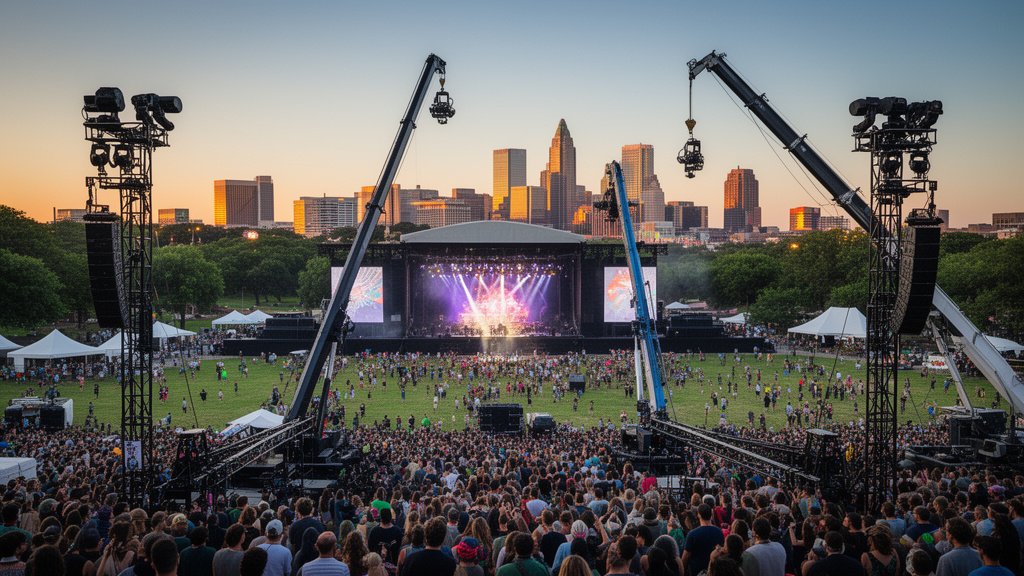

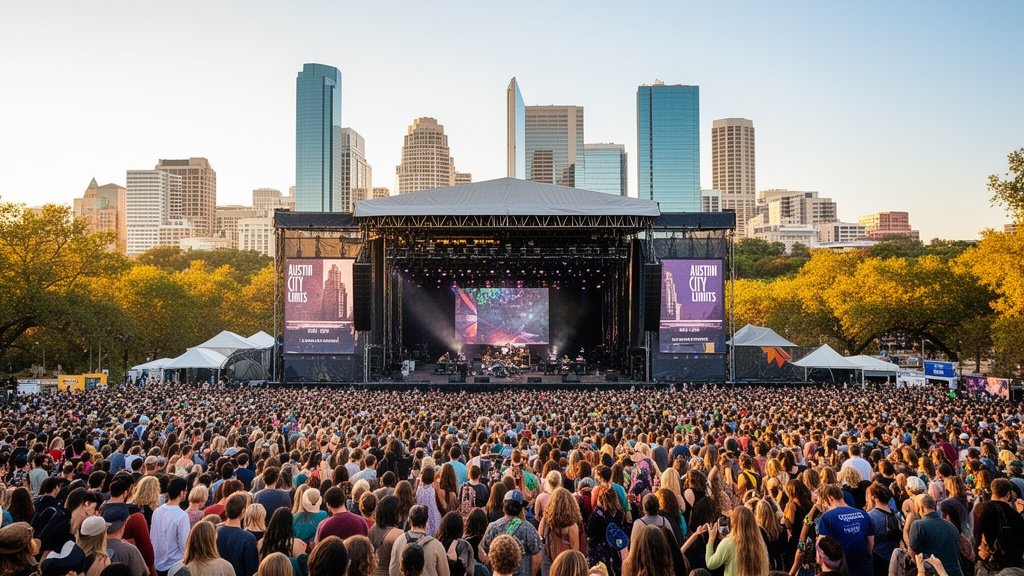
As the Austin City Limits Music Festival 2026 transitions between its two massive weekends, anticipation builds for the second leg beginning October 9, 2026, in Zilker Park. While the first weekend often serves as the high-energy introduction, the second weekend—running from October 9 through October 11—is widely regarded by industry veterans and local Austinites as the “settled” experience. With the initial logistical kinks ironed out and the production teams fully synchronized, the festival’s final stretch offers a uniquely polished atmosphere for attendees.
Key Highlights
- Official Dates: The second weekend runs from Friday, October 9, 2026, through Sunday, October 11, 2026.
- Venue: All programming continues at the iconic Zilker Park, nestled against the Austin skyline.
- Production Polish: Historically, C3 Presents uses the weekday interim to optimize sound mixing and stage logistics, often leading to a tighter flow for Weekend Two.
- Climate Advantage: Mid-October in Austin typically provides more predictable, cooling temperatures, which are essential for long days on the Great Lawn.
Inside the Zilker Park Experience: Navigating the Final Stretch
The Strategic Advantage of the Second Weekend
For many seasoned festival-goers, the choice between the first and second weekend is a matter of operational strategy rather than just schedule preferences. By the time Friday, October 9, arrives, the crew at C3 Presents has already navigated the primary “stress test” of the festival’s infrastructure. Lighting rigs, sound delays, and crowd-flow patterns have been stress-tested, resulting in a more seamless experience for patrons. This period allows the festival to find a steady rhythm, where the chaos of the opener subsides into a well-oiled machine. It is during these final three days that the Austin music ecosystem truly shines, as the performers are usually fully acclimated to the Zilker Park stage environment, often delivering deeper, more comfortable sets.
Operational Evolution at Zilker Park
Zilker Park, a 351-acre public metropolitan park, is transformed into a global music hub for these two weeks. The logistical footprint required to manage this transition is immense. Between Monday and Thursday, a massive “reset” occurs. Vendors, sanitation crews, and security teams re-align their protocols based on the data points gathered during the first weekend. This feedback loop is essential for maintaining the high standards expected of the Austin City Limits brand. Attendees of Weekend Two benefit directly from this optimization; wait times at water stations and food courts generally see marginal, though measurable, improvements. Furthermore, local transportation partners, including CapMetro, often adjust their shuttle routes and frequency based on the traffic flow analysis from the previous weekend, providing a more reliable commute to and from the downtown core.
The Economic and Cultural Pulse
The impact of the Austin City Limits Music Festival on the local economy cannot be overstated. With hundreds of thousands of attendees descending upon the city, the festival functions as a massive economic multiplier for the hospitality, service, and tech sectors. While Weekend One captures the early-adopter energy, Weekend Two often sees a shift in the demographic profile. With fewer “tourist” crowds and a higher percentage of regional attendees—many driving in from Houston, Dallas, and San Antonio—the festival takes on a more community-focused, local-centric vibe. This shift impacts everything from local bar revenue to short-term rental demand, creating a distinct economic cycle that lasts for the duration of the October residency.
Weather Patterns and Environmental Considerations
One of the most under-discussed aspects of the Weekend Two experience is the local micro-climate. Austin in October is transitional. Weekend One often battles residual late-summer heat, but by October 9, the probability of “cold fronts”—a term used loosely in Texas—increases. These cooler evenings on the Great Lawn are crucial for the sustainability of the event. The reduction in heat stress on both the attendees and the stage equipment contributes to the longevity of the musical performances. The festival grounds, while showing signs of wear by the end of the second weekend, are meticulously managed by park conservation efforts, ensuring that Zilker Park remains the jewel of the city despite the massive foot traffic.
The Future of Festival Strategy
As major music festivals across the country grapple with the logistical challenges of post-pandemic crowd management, the “two-weekend” model pioneered by ACL has become the blueprint for success. By splitting the event, promoters manage risk, optimize labor, and offer a more sustainable revenue model. Looking ahead to 2026, the focus for the festival organizers is on sustainability. Increased efforts in waste diversion and carbon-neutral transportation initiatives are becoming standard, with Weekend Two serving as the proving ground for these new environmental technologies. The festival is no longer just a concert; it is a laboratory for sustainable urban event management, a standard that other global festivals are now attempting to emulate.
FAQ: People Also Ask
Q: What is the weather typically like for ACL Weekend Two?
A: Mid-October in Austin usually ranges from the mid-60s to mid-80s Fahrenheit. Attendees should prepare for high heat during the day and potential drops in temperature after sunset.
Q: How does the bag policy differ between the two weekends?
A: The bag policy remains consistent across both weekends. All attendees must adhere to the clear bag policy, typically restricting bags to clear plastic, vinyl, or PVC, and not exceeding 12″ x 12″ x 6″.
Q: Can I use my remaining funds from Weekend One for Weekend Two?
A: No. Festival payment systems, including cashless wristband setups, are usually cleared or reset between weekends. You must register your wristband separately for each weekend if you are attending both.
Q: Is transportation easier on the second weekend?
A: Generally, yes. With the city and transit authorities better adjusted to the influx, transit times for shuttle services tend to be more predictable during the second leg of the festival.