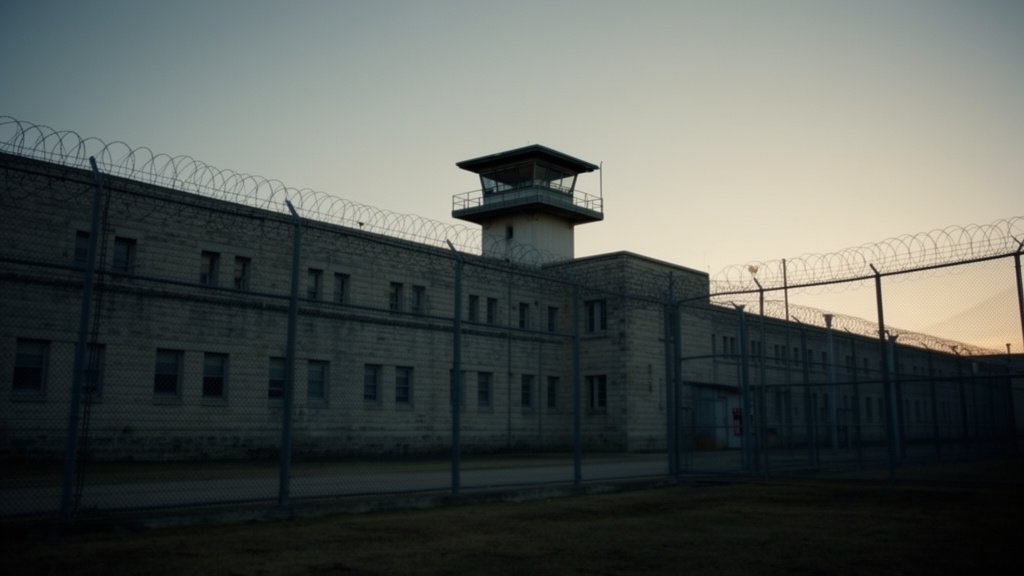

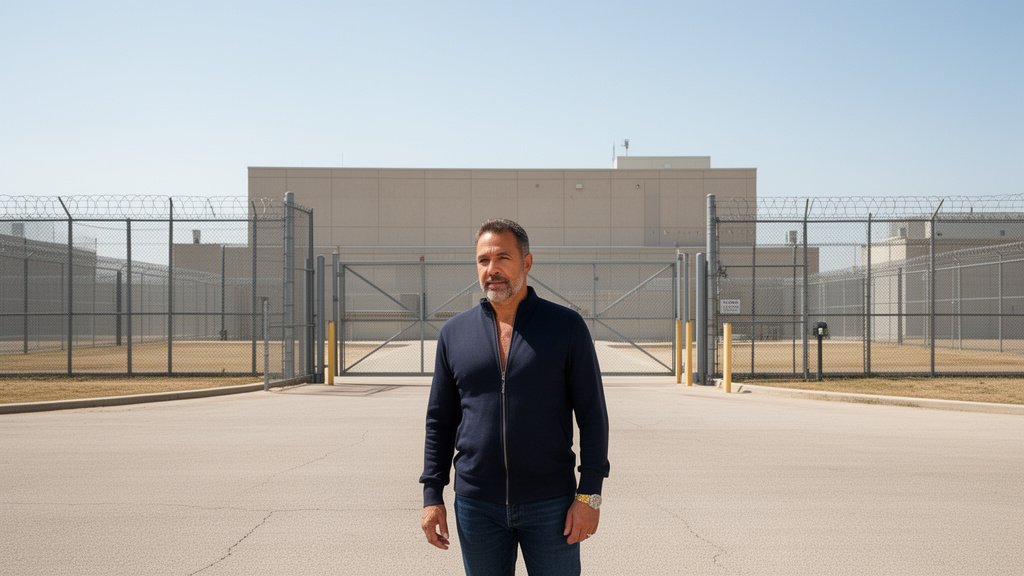
The Trump administration has reportedly initiated a significant logistical pivot, directing nearly 90% of all undocumented children currently held in federal custody toward facilities located in Texas. This massive concentration of minors under the oversight of the Office of Refugee Resettlement (ORR) and the Department of Health and Human Services (HHS) has triggered immediate alarms among immigration advocates, civil rights organizations, and policy analysts. The move, which effectively centralizes the processing and housing of unaccompanied minors in one state, has raised pressing questions regarding the existing regulatory environment for childcare in Texas and the potential integration of these facilities into a broader, stated federal agenda of mass deportation.
Key Highlights
- Massive Centralization: Approximately 90% of all undocumented children in federal custody are being routed through or housed in Texas-based facilities.
- Regulatory Scrutiny: Advocates express grave concerns regarding the oversight capacity of Texas childcare institutions compared to other jurisdictions.
- Deportation Fears: Observers fear this logistical shift is a precursor to expedited removal processes for unaccompanied minors under the new administration.
- Logistical Strain: The sheer volume of transfers is testing the capacity of Texas-based infrastructure and regional state-federal coordination.
The Strategic Consolidation of Unaccompanied Minors
The decision to funnel nearly 90% of undocumented minors into Texas represents a sharp departure from more distributed placement strategies of previous years. This centralization of unaccompanied alien children (UACs) is not merely a logistical necessity but, according to sources familiar with the administration’s planning, a deliberate alignment of resources. By housing the vast majority of the UAC population in Texas, the federal government streamlines its direct supervision, though it simultaneously creates a significant bureaucratic bottleneck.
The Regulatory Environment in Texas
Central to the controversy is the regulatory environment within Texas. Unlike some states with more rigorous or distinct oversight protocols for childcare facilities, Texas has faced repeated scrutiny regarding the standards, staffing ratios, and safety record of its emergency intake sites and residential facilities. The Texas Department of Family and Protective Services (DFPS) now faces the Herculean task of managing a sudden influx that dwarfs previous caseloads. Critics argue that by concentrating minors here, the federal government may be taking advantage of a regulatory landscape that is perceived as more permissive or less prone to federal interference than those in other regions. This has led to mounting pressure from non-governmental organizations to demand transparency regarding health, education, and legal representation standards in these specific Texas facilities.
The Nexus of Logistics and Mass Deportation
Perhaps the most pressing fear driving the backlash is the perceived connection between this placement strategy and the administration’s stated goal of mass deportation. Immigration experts note that housing minors in a single geographic hub significantly reduces the logistical complexity of transporting them to deportation processing centers or directly to international ports of entry. By keeping the population concentrated, the government minimizes the transit time and logistical friction required to carry out potential removal orders. This has transformed the conversation from one of “child welfare and placement” to one of “detention and preparation for removal,” casting a shadow over the due process rights of the children involved.
Challenges for Advocacy and Legal Oversight
Legal aid organizations are already mobilizing, arguing that the concentration of these minors hinders their ability to provide consistent counsel. When children are scattered, advocacy networks can utilize local resources; when 90% are sequestered in one state, the legal infrastructure is overwhelmed. Pro bono attorneys report that they are struggling to keep up with the volume, noting that the rapid-fire nature of these transfers makes it increasingly difficult to establish the attorney-client relationships necessary to pursue asylum claims or other avenues of relief. The result is a system that effectively isolates vulnerable populations from the support networks they rely on for due process.
FAQ: People Also Ask
Q: Why is the Trump administration sending 90% of children to Texas specifically?
A: While the administration has cited logistical efficiency, analysts believe the move allows for centralized federal control and easier access to processing infrastructure, though it has sparked fears that it facilitates easier execution of deportation policies.
Q: What regulatory risks exist for these children in Texas?
A: Advocates point to past reports regarding substandard oversight in Texas childcare facilities, raising concerns that a massive influx of children could overwhelm the Texas Department of Family and Protective Services’ (DFPS) ability to ensure proper health, safety, and education standards.
Q: How does this affect the deportation process for these children?
A: By concentrating the population in one region, the logistical requirement for moving children to removal sites is drastically reduced, leading many observers to conclude that this strategy is specifically designed to facilitate expedited deportation proceedings.
Q: Are these children receiving legal representation?
A: The centralization has overwhelmed regional pro bono legal networks. Advocates warn that the speed and scale of these transfers make it significantly harder for legal teams to provide adequate representation for every child in federal custody.