Texas residents are facing a critical week as the Electric Reliability Council of Texas (ERCOT) has issued a voluntary conservation appeal, responding to an unexpected and intense late-August heatwave that has driven energy consumption to unprecedented levels. With temperatures soaring well above seasonal averages, the grid operator is taking proactive steps to balance supply and demand, signaling the severity of the load currently placed on the Texas Interconnection.
Key Highlights
- Voluntary Appeal in Effect: ERCOT has formally requested that all Texans, including government agencies and businesses, voluntarily reduce electricity usage during peak hours to preserve grid stability.
- Record-Breaking Demand: The late-August heatwave has pushed real-time demand to near-record or record-setting levels, driven almost entirely by air conditioning usage across the state.
- Strategic Conservation: Consumers are specifically urged to set thermostats to 78 degrees or higher, avoid using large appliances like washers and dryers, and limit pool pump operations until after the peak demand hours.
- Infrastructure Status: While no rolling blackouts have been ordered, the current conditions highlight the sensitivity of the Texas power grid during extreme weather events.
Navigating the Peak: Stability Amidst the Heat
The current situation in Texas serves as a vivid reminder of the logistical complexity inherent in maintaining the state’s independent power grid. As the late-August heatwave traps the region in a high-pressure dome, the Electric Reliability Council of Texas (ERCOT) is actively managing a delicate balancing act. This recent appeal for conservation is not merely a suggestion; it is a critical tool in the grid operator’s arsenal to prevent entering Emergency Energy Alert (EEA) status, which would be the precursor to more drastic measures.
The Anatomy of the Heatwave and Grid Strain
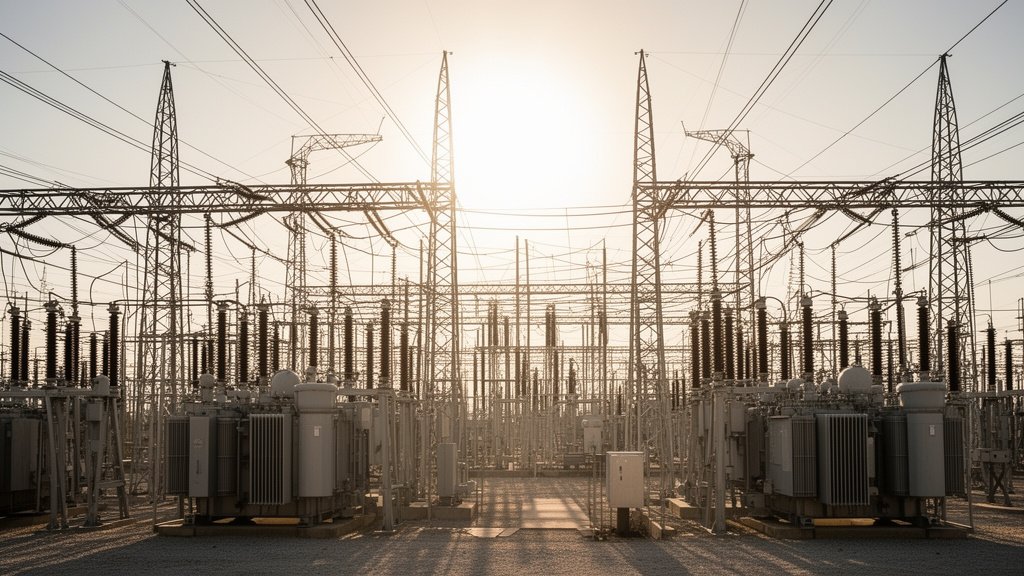
Energy demand is fundamentally linked to thermal regulation. As ambient temperatures climb, the coefficient of performance for residential and commercial cooling units drops, forcing HVAC systems to draw significantly higher currents to maintain indoor comfort. In a state the size of Texas, where the vast majority of infrastructure relies on electric cooling, these simultaneous demands create a massive, systemic spike in load. ERCOT’s operational challenge is exacerbated by the fact that wind generation often dips during stagnant, high-pressure weather events, placing a greater burden on natural gas and solar resources to bridge the gap.
Analysts note that while the grid has seen substantial investment in battery storage capacity over the past 24 months, the sheer duration of these heatwaves—often extending well into the evening hours—tests the limits of current solar-plus-storage configurations. During the day, solar panels perform at peak efficiency, but as the sun sets and solar output tapers, energy demand often remains elevated, creating a “net load” peak that grid operators must manage with dispatchable thermal power plants.
The Regulatory and Operational Response
Behind the scenes, the Public Utility Commission of Texas (PUCT) is working in lockstep with ERCOT to ensure that market signals are functioning effectively. By issuing this voluntary appeal, the authorities are looking to dampen the load curve, effectively shaving the peak of the demand chart to keep frequency steady at 60 Hz. Maintaining this frequency is the non-negotiable metric for grid stability; deviations lead to equipment damage and potential localized outages.
Industry experts emphasize that this year’s infrastructure resilience is being tested in new ways. With the state’s population growth showing no signs of slowing, the baseline “normal” demand for electricity is shifting upward. Consequently, what would have been considered a manageable heatwave a decade ago now pushes the grid toward its operational limits, necessitating a more integrated approach to demand-side management.
Sustainability and the Future of the Grid
Looking beyond the immediate crisis, the situation underscores the ongoing evolution of the Texas energy market. The state has pioneered the rapid deployment of renewable energy, which has frequently proven to be a vital asset during peak daylight hours. However, the reliance on intermittent sources requires a more sophisticated orchestration of dispatchable, “peaker” plants and utility-scale battery storage.
Future infrastructure planning is increasingly focused on hardening the grid against these extreme events. This includes weatherization mandates for thermal plants—a direct response to past winter failures—and the continued expansion of transmission capabilities that allow power to be moved from high-generation regions to high-consumption urban centers like Dallas, Houston, and Austin. The goal is to create a more resilient architecture that can withstand both extreme heat and extreme cold, ensuring that the Texas economy remains powered even as the climate presents more volatile variables.
Economic Implications for the Texas Market
For businesses, the uncertainty surrounding grid stability carries economic weight. Manufacturers, data centers, and commercial hubs are increasingly exploring microgrid solutions and on-site generation to insulate themselves from the volatility of the main grid. This decentralization trend is likely to accelerate as a response to repeated high-demand alerts. Furthermore, the volatility in the Wholesale Electricity Market during these peak events can impact retail pricing, signaling to consumers and businesses alike that efficient energy management is not just an environmental imperative, but a financial one.
FAQ: People Also Ask
1. What is the difference between a voluntary conservation appeal and a rotating outage?
A voluntary appeal is a preemptive measure taken to lower grid stress before it reaches critical levels. It is a request for the public to curb use. A rotating outage (or load shed) is an emergency order of last resort mandated by ERCOT to prevent a total, uncontrolled blackout of the grid.
2. Does solar power help during an August heatwave?
Yes, significantly. During the day, solar generation provides a substantial portion of the Texas energy mix, often helping to meet high demand. The grid becomes more stressed in the early evening as the sun sets, solar production drops to zero, and air conditioning demand remains high.
3. Are Texans being asked to turn off their air conditioning entirely?
No. ERCOT explicitly recommends setting thermostats to 78 degrees or higher. The goal is to moderate usage—specifically by delaying the use of large appliances like washers, dryers, and dishwashers until the evening—rather than suffering in extreme heat.
4. Is this late-August heatwave related to climate change?
Meteorologists and climate scientists increasingly point to the intensification of “heat domes” and stagnant high-pressure systems as consistent with models predicting more frequent and extreme weather events. These climate shifts are a primary driver of the stress currently being placed on modern electrical infrastructure.