
The race for the Texas Governor’s office has entered a volatile new phase, with Democratic challenger Gina Hinojosa sharpening her focus on ‘kitchen table issues’ as new polling from the Texas Politics Project indicates a narrowing contest against incumbent Governor Greg Abbott. With the gap shrinking to just five percentage points, the political landscape in the Lone Star State is showing signs of meaningful fluctuation.
Key Highlights
- The latest data shows Governor Greg Abbott polling at 45% against challenger Gina Hinojosa at 40%.
- A massive 38% of independent voters remain undecided, representing the most critical demographic for either campaign to capture.
- Hinojosa is actively pivoting her platform to focus on ‘kitchen table issues’—prioritizing immediate economic concerns like inflation, household costs, and property tax relief.
The Shifting Terrain of the Texas Gubernatorial Election
The most recent data provided by the Texas Politics Project serves as a wake-up call for political observers who previously viewed this contest as a settled matter. A five-percentage-point margin, with incumbent Governor Greg Abbott holding 45% of the support compared to challenger Gina Hinojosa’s 40%, suggests that the electorate is becoming increasingly dynamic. In a state that has long been considered a stronghold for Republican incumbents, this narrowing gap represents a significant development in the broader narrative of the election cycle.
Polling data of this nature does not merely reflect a snapshot in time; it often signals a deeper frustration within the electorate regarding the status quo. When a race tightens to this degree, it forces the incumbent to defend their record more aggressively while emboldening the challenger to intensify their messaging. The core question for analysts now is whether this shift is a temporary statistical fluctuation or the beginning of a sustained trend that could fundamentally alter the trajectory of the race.
Defining the ‘Kitchen Table’ Strategy
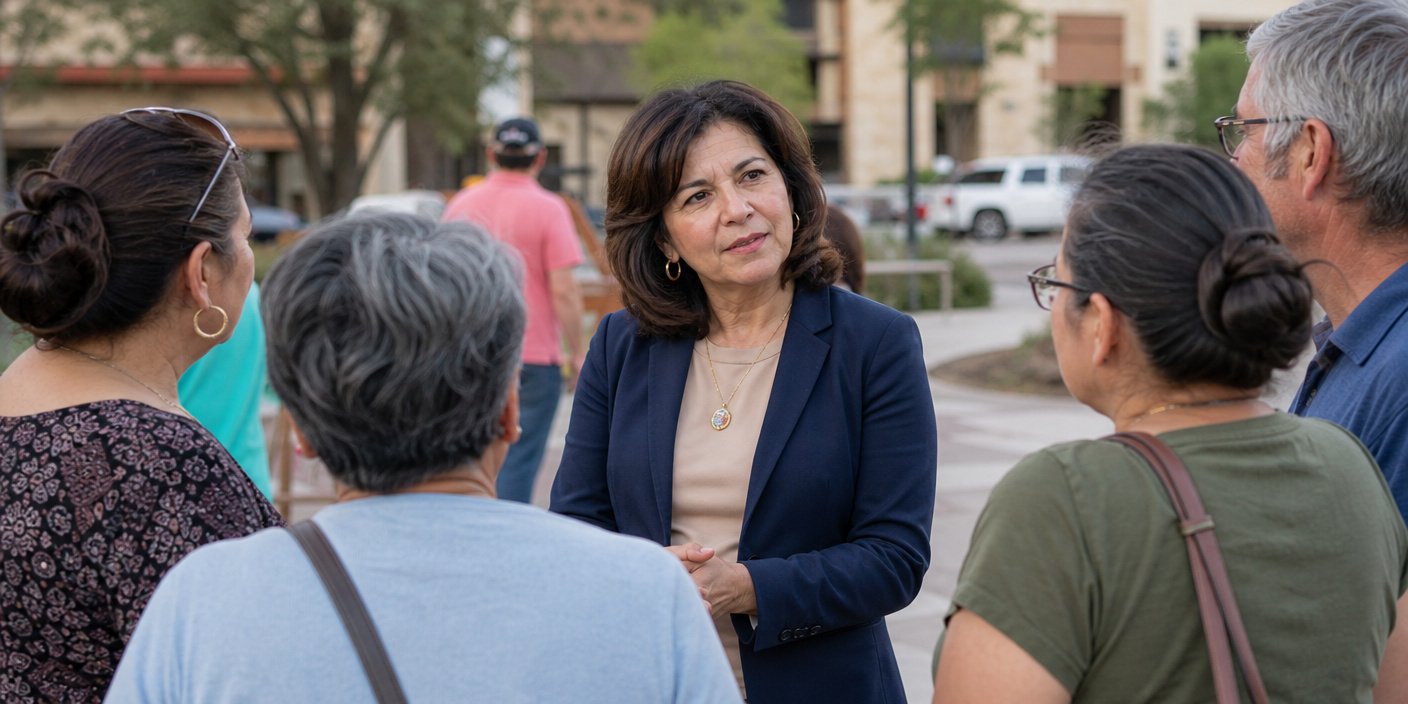
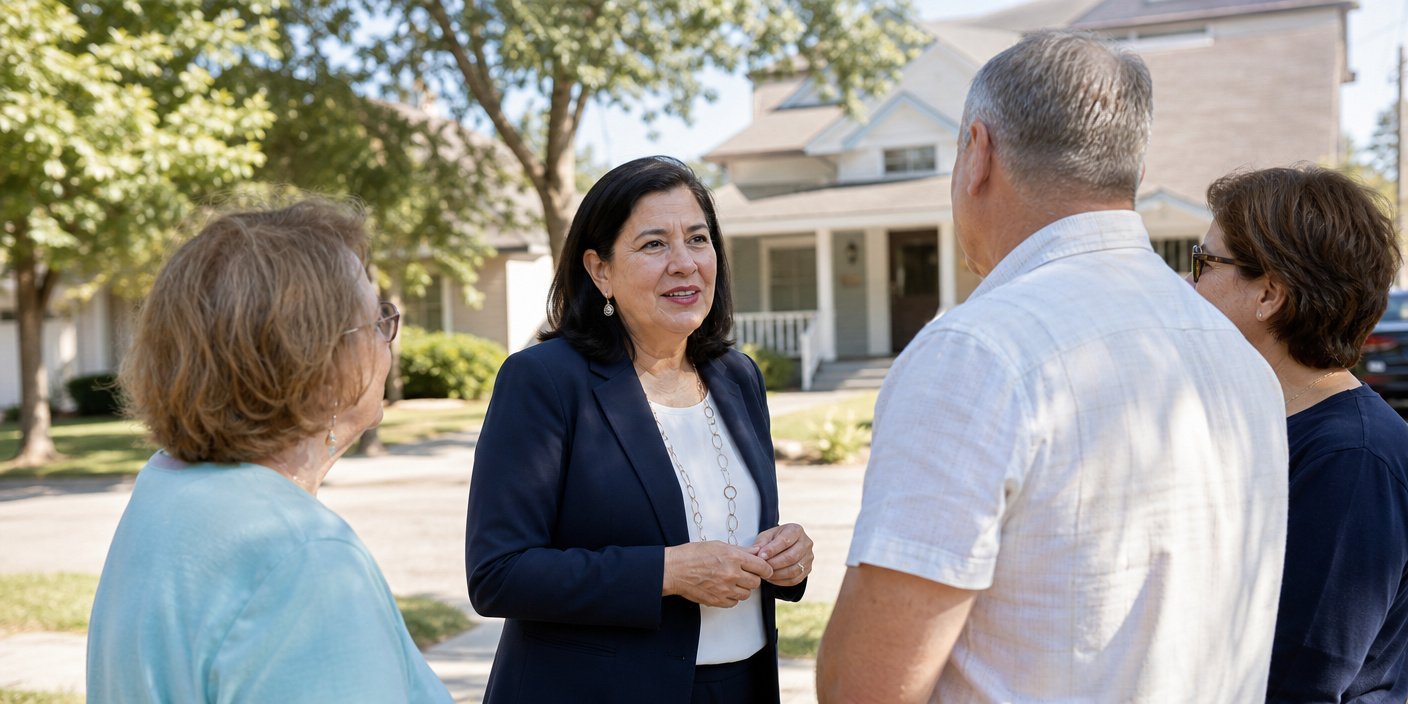
Gina Hinojosa’s strategic pivot toward ‘kitchen table issues’ is a classic, yet highly effective, maneuver in American politics. By focusing on the tangible economic pressures that families face when sitting around the kitchen table—such as the rising cost of groceries, the burden of property taxes, and the stability of basic infrastructure—Hinojosa is attempting to move the conversation away from abstract ideological debates and toward the realities of daily life.
For many Texans, economic anxiety has been compounded by inflation and housing market volatility. By grounding her campaign in these kitchen table priorities, Hinojosa is seeking to bridge the gap with voters who may feel that their financial well-being has been overlooked by the current administration. This approach is designed to resonate across a diverse spectrum of voters—including suburban families, rural residents, and urban centers—who are all grappling with the same fiscal pressures. The success of this strategy, however, depends on Hinojosa’s ability to articulate specific policy solutions that voters believe will alleviate their burdens more effectively than the status quo.
The Independent Voter Wildcard
Perhaps the most compelling statistic to emerge from this polling is the 38% of independent voters who remain undecided. In any election, a double-digit block of undecided voters of this magnitude is essentially a ‘swing’ election unto itself. These are not partisan loyalists; they are the voters who will decide the outcome of the race, and their sheer volume suggests that both the Abbott and Hinojosa campaigns have an immense opportunity—and a significant challenge—in the coming weeks.
Historically, independent voters in Texas tend to lean toward fiscal conservatism, yet they often prioritize pragmatic governance over partisan rigidity. This 38% segment is likely waiting to be convinced. They are not looking for soundbites or political theater; they are looking for substance. The candidate who can successfully address their concerns—specifically regarding the state’s long-term economic trajectory and the effective management of state services—will likely be the one who captures this critical block.
Incumbent Resilience vs. Challenger Momentum
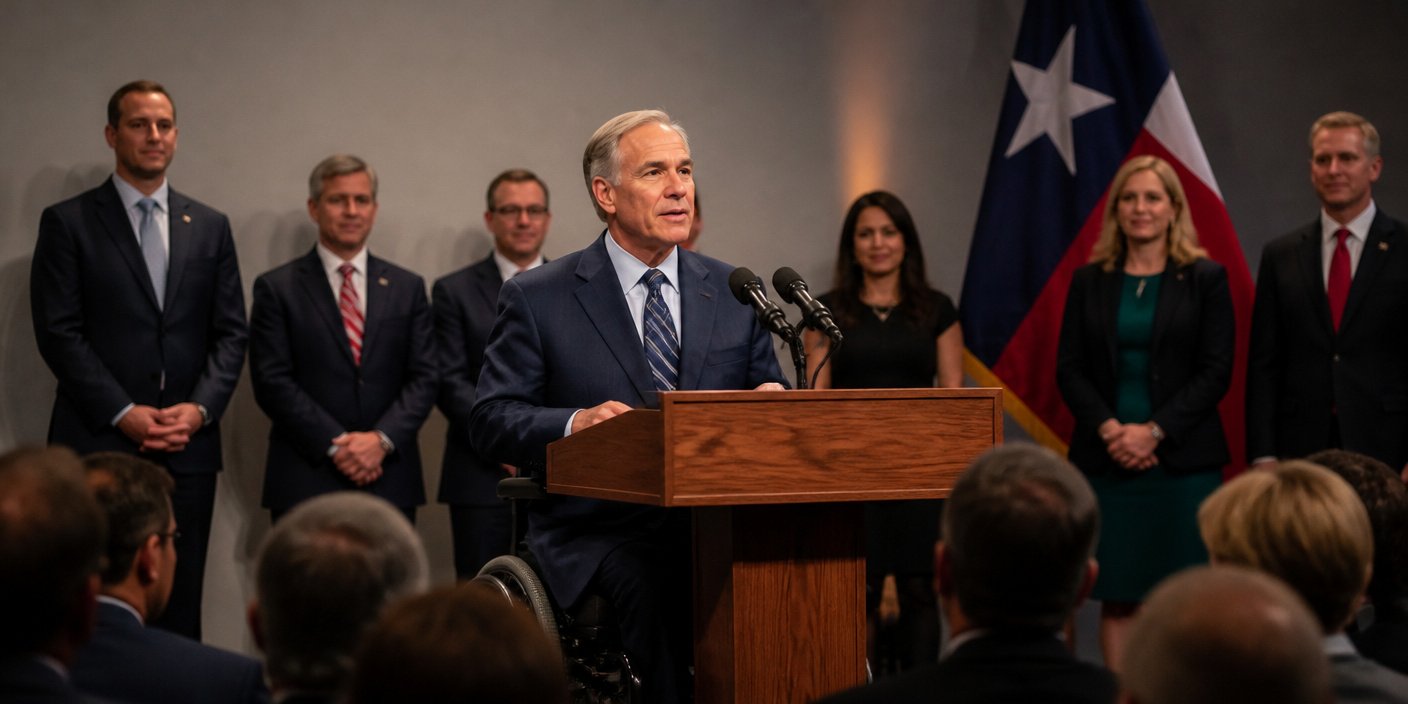
For Governor Greg Abbott, the challenge is to maintain the coalition that has kept him in power while addressing the specific economic grievances that Hinojosa is now highlighting. Incumbents often have the advantage of resources and name recognition, but they also have the disadvantage of having to defend a track record during periods of economic uncertainty. Abbott’s strategy will likely involve touting economic growth and job creation metrics, attempting to pivot the conversation back to his successes.
Conversely, Hinojosa must prove that her focus on kitchen table issues is not just a rhetorical device, but a viable roadmap for the state. She faces the uphill battle of overcoming the Republican advantage in Texas, but the 5-point margin gives her a tangible talking point. Her challenge will be to translate the momentum seen in the polls into tangible grassroots support and voter turnout. If she can sustain this pressure, the final weeks of the campaign will likely focus on who can best address the anxiety currently sitting at the Texas kitchen table.
FAQ: People Also Ask
1. What are ‘kitchen table issues’ in politics?
‘Kitchen table issues’ refer to practical, day-to-day economic concerns that affect a family’s financial stability. This typically includes inflation, cost of living, property taxes, education costs, and access to affordable healthcare—the topics families discuss when budgeting around the kitchen table.
2. Why is the 38% undecided independent block so important?
In a race where the margin between the two leading candidates is only 5%, the 38% of independent voters represents a massive, untapped segment of the electorate. These voters will ultimately determine the outcome of the election, as they are not tied to party platforms and are open to being persuaded by either campaign.
3. What does the latest polling mean for Governor Greg Abbott?
While Governor Abbott still holds a lead, the narrowing of the gap indicates that his campaign cannot afford complacency. The result suggests that voters are weighing the economic climate heavily and that the incumbent must actively address these concerns to secure the support of undecided voters.