
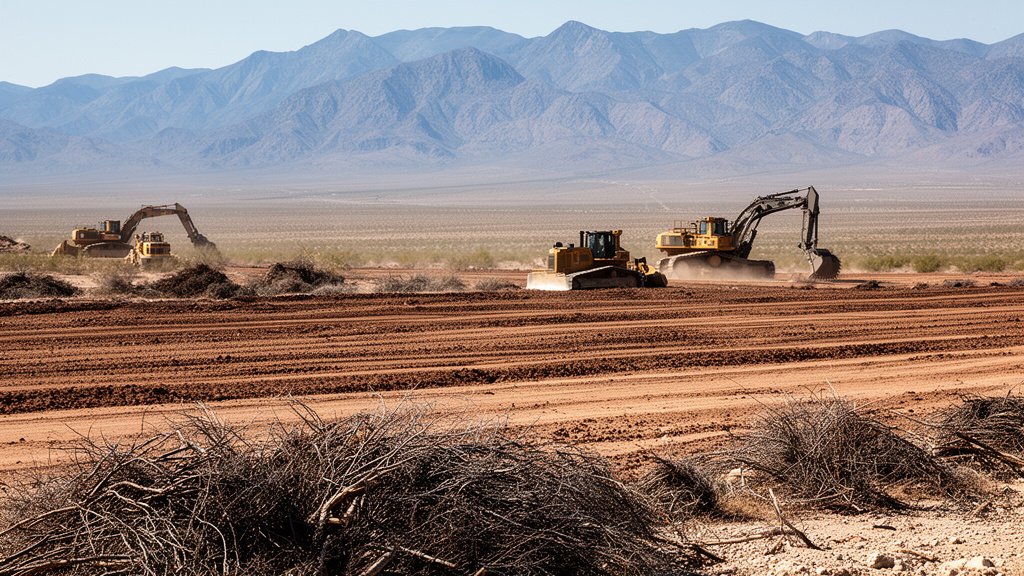
Land-clearing operations have officially commenced within the sensitive borders of Big Bend National Park, as contractors mobilize heavy machinery to initiate infrastructure projects related to border barrier construction. This development marks a significant escalation in the ongoing project to extend physical security infrastructure into protected federal lands, drawing immediate scrutiny from environmental groups and park advocates regarding the long-term integrity of the Rio Grande ecosystem.
Key Highlights
- Immediate Mobilization: Contractors have deployed heavy earth-moving machinery to clear vegetation and stabilize soil for upcoming construction.
- Infrastructure Scope: Operations are not limited to barriers; significant ground is being leveled for temporary worker housing and logistical support hubs.
- Federal Authority: The project proceeds under DHS authority, utilizing specific waivers to bypass standard environmental impact assessments typical for national park zones.
- Environmental Risk: The site borders the Rio Grande, posing risks to protected riparian habitats and endangered local species.
Industrial Incursion in a Natural Sanctuary
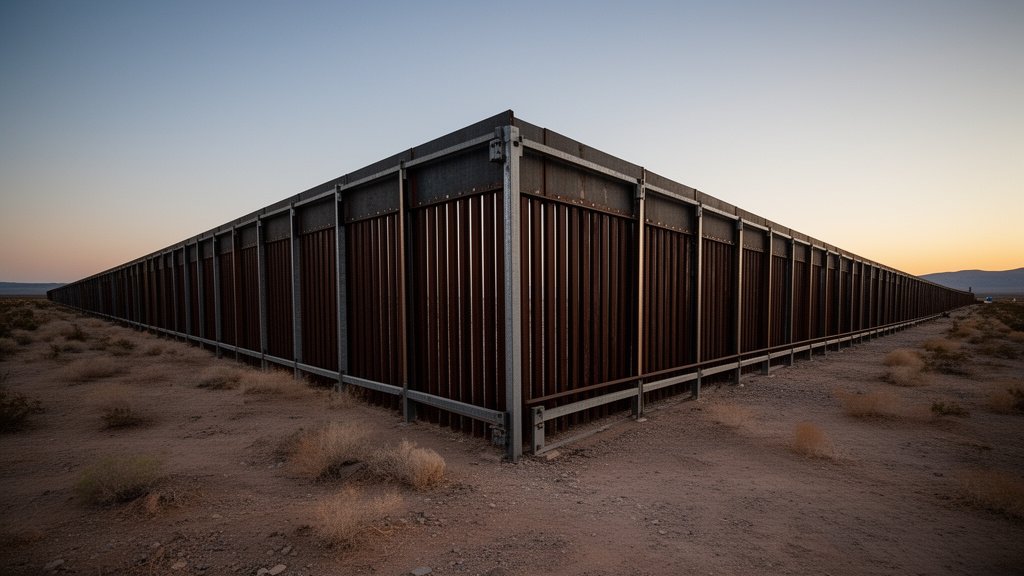
The arrival of industrial-grade bulldozers and site-clearing crews within the boundaries of Big Bend National Park represents a profound shift in the park’s operational reality. Known as one of the most remote and pristine landscapes in the United States, the park is now the site of active construction. Observers on the ground have documented the removal of native desert brush, the grading of arid soil, and the establishment of perimeter fencing intended to secure both the construction zone and the impending housing for personnel.
The Operational Footprint
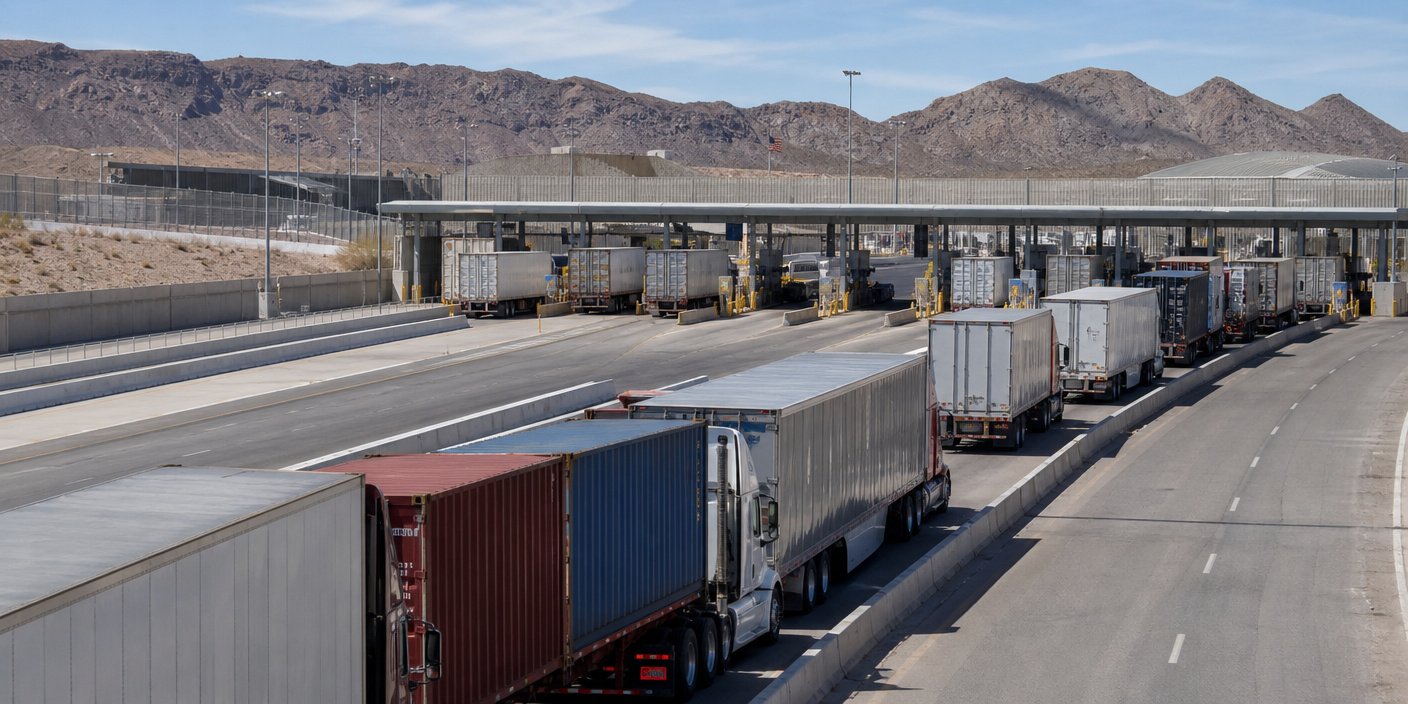
It is essential to distinguish between the ‘wall’ itself and the ‘supporting infrastructure.’ Reports indicate that the current phase focuses heavily on logistical readiness. This includes the construction of worker housing facilities, staging areas for heavy equipment, and access roads capable of supporting 18-wheeler supply vehicles. This footprint is substantial; it requires a wide swath of land to be denuded of vegetation, creating a stark visual contrast between the rugged, undisturbed desert and the industrial layout of a construction site.
For the U.S. Customs and Border Protection (CBP) and the Department of Homeland Security (DHS), these measures are framed as essential components of national security. The argument centers on the necessity of providing rapid response capabilities in a sector that has historically lacked the vertical barriers found in more urbanized border crossings. By consolidating housing and logistics within the park, agencies aim to reduce commute times for agents and enhance patrol frequency.
The Legal and Environmental Collision
The tension between the National Park Service (NPS)—charged with preservation—and the DHS—charged with enforcement—is at its peak. Generally, federal agencies operating within national parks must adhere to the National Environmental Policy Act (NEPA) and the Endangered Species Act (ESA). However, the construction is being expedited under authorities granted by the REAL ID Act of 2005, which allows the Secretary of Homeland Security to waive environmental and cultural protection laws to accelerate barrier construction.
This legal bypass effectively mutes the standard public comment period and the comprehensive environmental impact statements usually required for such significant land alterations. Conservationists argue that this sets a dangerous precedent, as the Rio Grande ecosystem is home to multiple endangered species, including the Big Bend Gambusia, a fish found nowhere else on earth. The clearing of land near the riverbank threatens to increase sedimentation and disrupt fragile water-dependent corridors that rely on minimal human intervention to thrive.
Impact on Park Access and Future Projections
The long-term impact on Big Bend’s status as a ‘National Park’ remains a subject of intense debate. While the construction zones are currently cordoned off, the broader concern is the loss of the ‘wild’ character of the park. If the infrastructure becomes a permanent feature of the landscape, the visitor experience—historically defined by isolation, dark skies, and untouched geology—will be fundamentally altered.
Furthermore, the economic implications for the local tourism-dependent communities are unclear. While construction crews may provide a temporary boost to local lodging and services, the potential degradation of the park’s primary asset—its pristine wilderness—could deter the millions of annual visitors who seek out Big Bend specifically for its rugged, untouched nature. As the bulldozers continue to carve into the landscape, the coming months will likely see increased litigation and public discourse regarding the appropriate balance between border security mandates and the permanent preservation of America’s federal heritage lands.
FAQ: People Also Ask
1. Is Big Bend National Park closed due to the construction?
No, the majority of the park remains open to visitors. However, specific areas near the construction sites have been cordoned off, and visitors should expect heavy machinery traffic and restricted access to certain river-adjacent zones.
2. Why are environmental laws being bypassed?
The Department of Homeland Security is utilizing waiver authorities granted under the REAL ID Act of 2005. This legislation allows the agency to bypass various federal environmental and cultural protection laws to expedite the construction of border barriers, which they deem essential for national security.
3. Will the wall cover the entire park boundary?
The current operations are focused on specific high-traffic or high-vulnerability corridors. While the infrastructure footprint is significant, it does not currently involve a continuous wall spanning the entire diverse terrain of the entire park, though localized barriers and monitoring towers are being installed.
4. What happens to the wildlife in the construction zone?
The construction zone is being cleared of vegetation, which displaces local fauna. Conservationists have expressed grave concerns about the disruption of the Rio Grande riparian habitat, which is a critical corridor for many species in the high-desert ecosystem.