
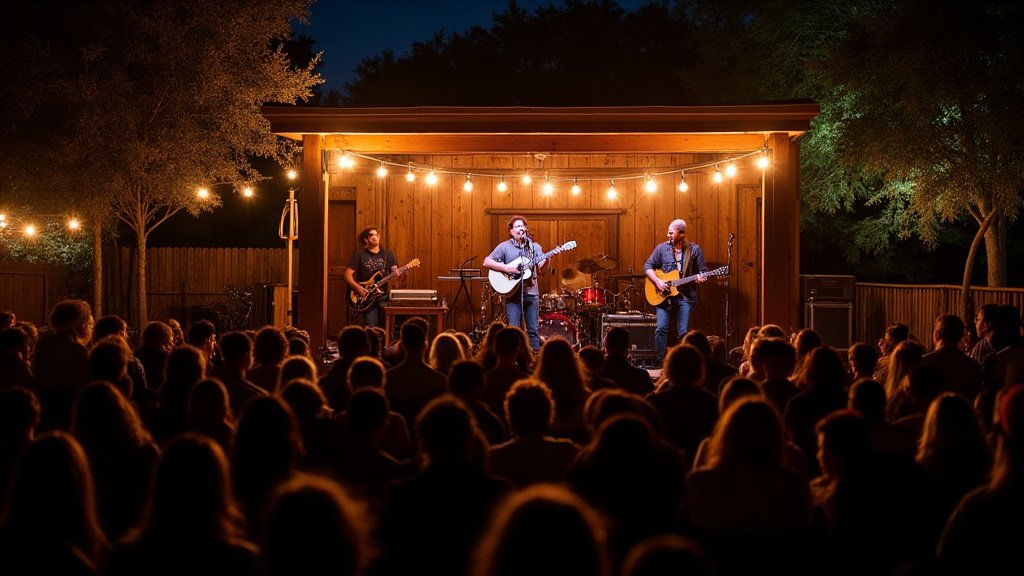
The atmosphere at The Lonesome Rose on November 21, 2026, was a testament to the power of strategic planning in the live music industry. As the inaugural notes of the Whiskey Kiss Festival drifted across the San Antonio venue, it became immediately clear that the organizers’ decision to pivot away from a mid-year slot was the correct call. By shifting the event from the originally scheduled June dates to late fall, the festival secured a temperate climate that defined the success of the 2026 edition, effectively transforming a potential heat-stricken liability into a premier Americana showcase.
The Strategic Shift: Escaping the June Heat
The decision to move the Whiskey Kiss Festival to late November was not merely a matter of convenience; it was a calculated logistical maneuver to ensure attendee comfort and artist performance quality. In South Texas, June is characterized by oppressive heat indices that often hover near triple digits by early afternoon—an environment that is notoriously difficult for both outdoor stage equipment and ticket-holding fans. By rescheduling to November 21, the festival organizers capitalized on the quintessential South Texas autumn, where high temperatures typically drop to the low 70s, and evenings offer a crisp, cooling relief that is ideal for outdoor gatherings.
This climate adjustment fundamentally changed the festival’s value proposition. Attendees were no longer forced to endure the mid-day sun, allowing the event to run at peak capacity throughout the day. For the artists, the cooler air meant better vocal stamina and less strain on sensitive musical instruments that are often prone to detuning in extreme heat. This move highlights a growing trend among regional festival producers: prioritizing climate-conscious scheduling to maximize the overall experience and longevity of the event brand.
The Lonesome Rose: An Anchor for Local Americana
Choosing The Lonesome Rose as the host venue for the 2026 edition was a masterstroke in cultural alignment. Located in the heart of San Antonio’s vibrant cultural corridor, The Lonesome Rose is widely recognized as a sanctuary for the city’s roots, country, and Americana music scene. The venue’s aesthetic—a blend of classic honky-tonk history and modern, open-air hospitality—provided the perfect backdrop for a festival focused on the grit and soul of Americana music.
Unlike large-scale, impersonal festival grounds, The Lonesome Rose allowed for an intimate, communal atmosphere. The venue’s infrastructure supported the festival’s needs, offering a seamless transition from the indoor bar area to the expansive outdoor stage. This synergy between the venue’s brand and the festival’s identity helped foster a sense of community that is often lost in mass-marketed events. The layout encouraged natural crowd flow, allowed for better sound containment, and provided the artists with a deeper, more direct connection to the audience.
The Economic Ripple Effect on San Antonio
Beyond the music, the Whiskey Kiss Festival served as a significant economic driver for the immediate San Antonio area. The date change to late November placed the festival in a unique spot in the regional calendar, avoiding the overcrowded summer festival circuit. By establishing the festival during a slower period for outdoor tourism, the organizers successfully captured a demographic of music lovers willing to travel to the city specifically for the show.
Local businesses surrounding the venue saw an uptick in foot traffic, hospitality bookings, and dining sales. This economic impact suggests that the Whiskey Kiss Festival is not just a one-off concert event but a cornerstone for the San Antonio music tourism economy. The ability to pull crowds in November proves that the market is hungry for off-season experiences, providing a blueprint for other local events looking to boost their sustainability by avoiding the sweltering heat of the Texas summer.
Future Outlook: Building a Lasting Legacy
With the 2026 iteration now in the rearview mirror, the Whiskey Kiss Festival has established a template for success that will likely be replicated in years to come. The proof of concept is undeniable: the combination of a cool-weather date and a specialized, high-curation venue like The Lonesome Rose creates an environment where both artists and fans can thrive. As the festival looks toward 2027 and beyond, the organizers have effectively eliminated the primary barrier to their own growth—the climate—and have set a new standard for how regional festivals can maintain quality, comfort, and cultural relevance in an increasingly competitive entertainment landscape.