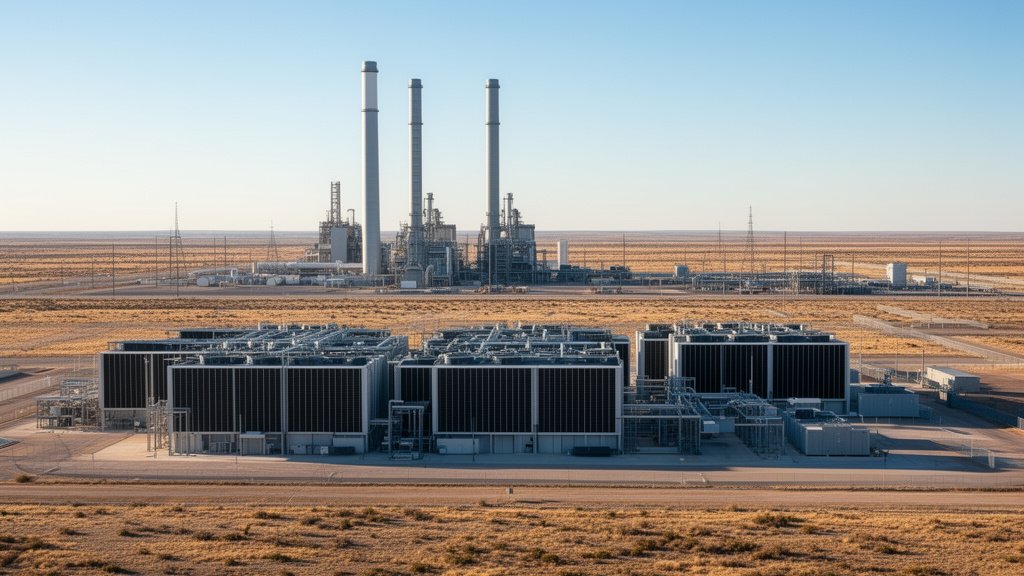

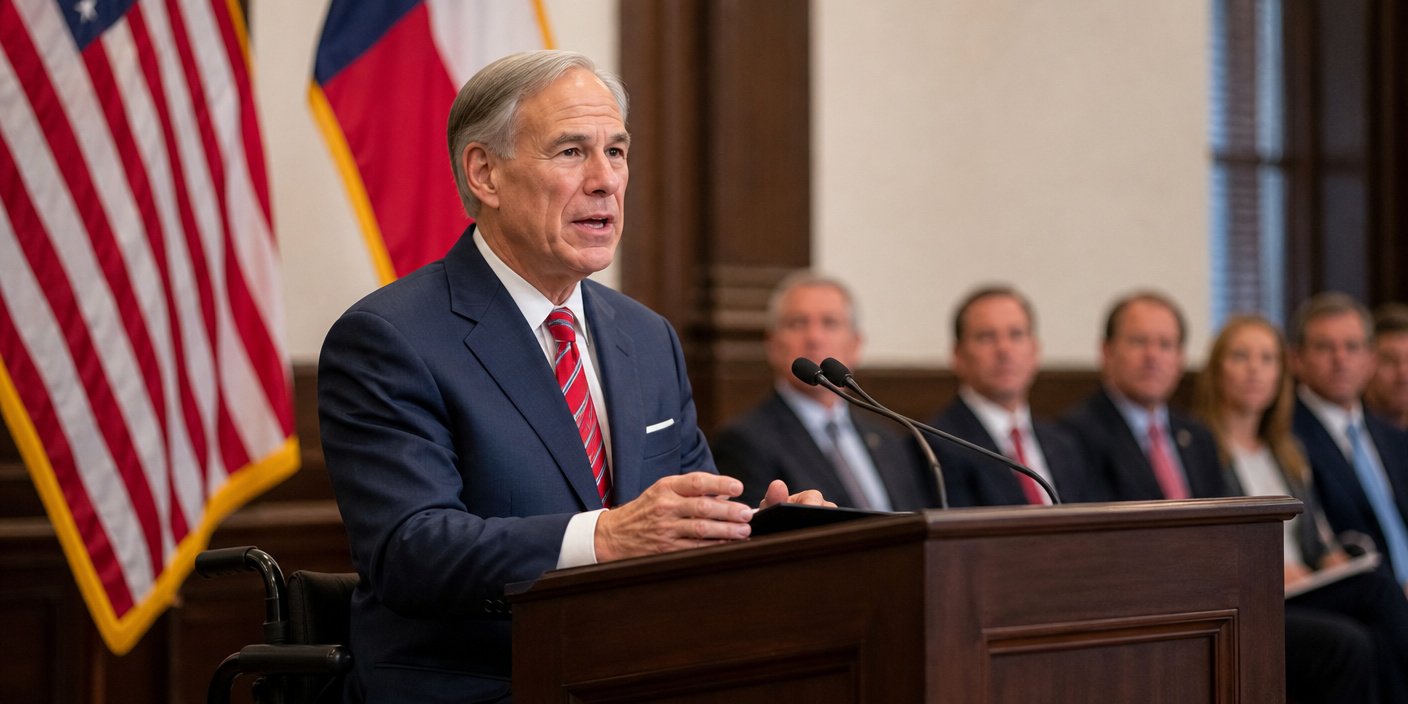
Governor Greg Abbott has secured a definitive commitment from QTS Data Centers, signaling a significant shift in how Texas manages the integration of high-demand technology infrastructure into the state’s energy grid. This agreement underscores a burgeoning policy directive from the Governor’s office to prioritize grid reliability while ensuring that the exponential growth of the data center industry does not negatively impact residential electricity rates or municipal water resources.
The Shift Toward Ratepayer Protection
At the core of this agreement is the enforcement of a ‘cost-user’ principle. For years, the rapid proliferation of data centers—driven largely by the explosion of artificial intelligence and cloud computing—has placed unprecedented demand on the Electric Reliability Council of Texas (ERCOT) grid. Traditionally, the costs associated with upgrading electrical infrastructure to accommodate these massive loads have been a subject of intense debate, often blurring the lines between private developer costs and public utility expenses.
By securing this commitment from QTS, Governor Abbott is signaling that the financial burden of capacity expansion will now firmly rest on the developers themselves. This move is designed to ensure that Texas families and small businesses are not forced to subsidize the infrastructure requirements of massive industrial operators. Under the terms, QTS is obligated to pay for its own grid infrastructure upgrades. This is a critical development for Texas energy policy, as it establishes a precedent that large-scale industrial projects must be ‘grid-neutral’ or ‘grid-beneficial’ rather than a drain on existing, limited transmission resources.
Prioritizing Water Sustainability
Beyond energy, the agreement introduces strict mandates regarding resource conservation, specifically focusing on water usage. Data centers, which utilize massive amounts of water for cooling server arrays, are increasingly being scrutinized for their environmental footprint. The commitment from QTS includes mandatory water reuse policies, a necessity in a state where water scarcity remains a perennial concern, particularly in the rapid-growth corridors of North and Central Texas.
By enforcing these water reuse mandates, the administration is effectively integrating environmental stewardship into industrial development requirements. This suggests that future permitting for data centers in the state will likely be contingent upon the implementation of closed-loop cooling systems or reclaimed water utilization, rather than drawing exclusively from municipal or aquifer sources. This policy shift is expected to serve as a model for industrial water management across the state.
Strengthening ERCOT Grid Resilience
The inclusion of QTS in this strict regulatory alignment is a strategic effort to fortify the Texas power grid. As ERCOT faces increasing load forecasts due to industrialization, the Governor’s office has emphasized the need for ‘firming’ the grid—ensuring that added industrial load comes with corresponding added generation or storage capabilities, rather than simple consumption.
This agreement forces a transparency level that was previously opaque. By requiring QTS to shoulder the costs of their infrastructure, the state effectively prevents ‘grid crowding,’ where late-moving industrial projects could theoretically cannibalize the capacity intended for residential and commercial growth. The move is widely interpreted as a protective measure to keep Texas attractive to tech investment without sacrificing the reliability of the lights for average citizens.
Economic and Technological Implications
The implications of this deal extend far beyond the immediate construction of specific data centers. Texas has positioned itself as the premier hub for the global AI revolution, but this growth requires a delicate balancing act. By setting clear standards—infrastructure costs on the company, conservation on the environment—the state is creating a predictable regulatory environment for investors. High-quality developers are often willing to pay for upgrades to ensure reliable, high-capacity connections; by formalizing this as a requirement, Abbott is essentially filtering for high-intent, long-term partners who are committed to the health of the Texas economy.
Furthermore, this move acts as a signal to the broader tech sector. As other companies seek to expand or relocate to Texas, they are now on notice that the ‘wild west’ era of unlimited, subsidized grid access is concluding. The future of data center expansion in Texas will be defined by self-funded, sustainable development, which, while more expensive for the companies in the short term, ensures a more stable and resilient state infrastructure in the long run. This equilibrium is essential for maintaining the state’s economic momentum while insulating the public from the volatility of sudden, massive industrial power consumption shifts.