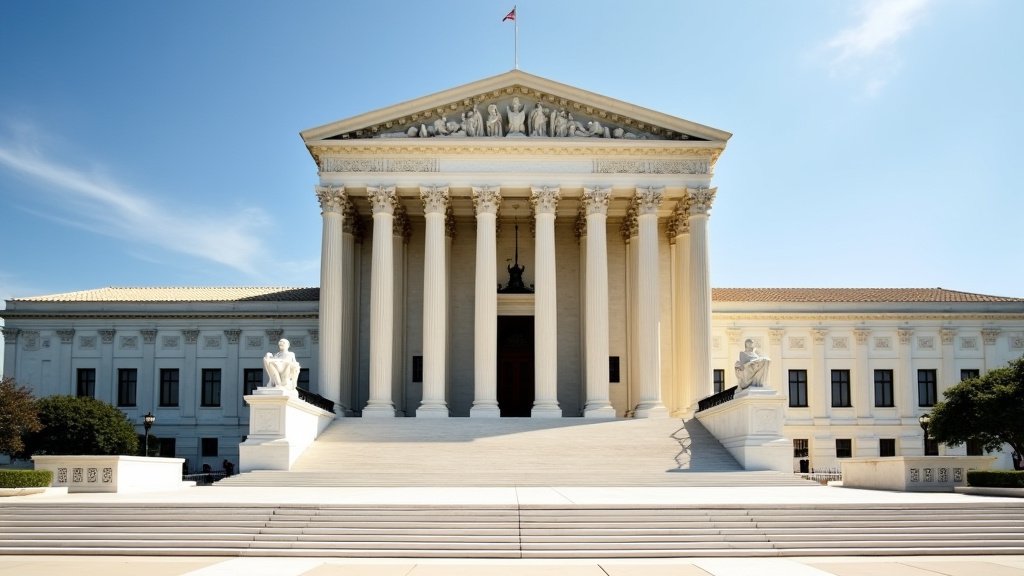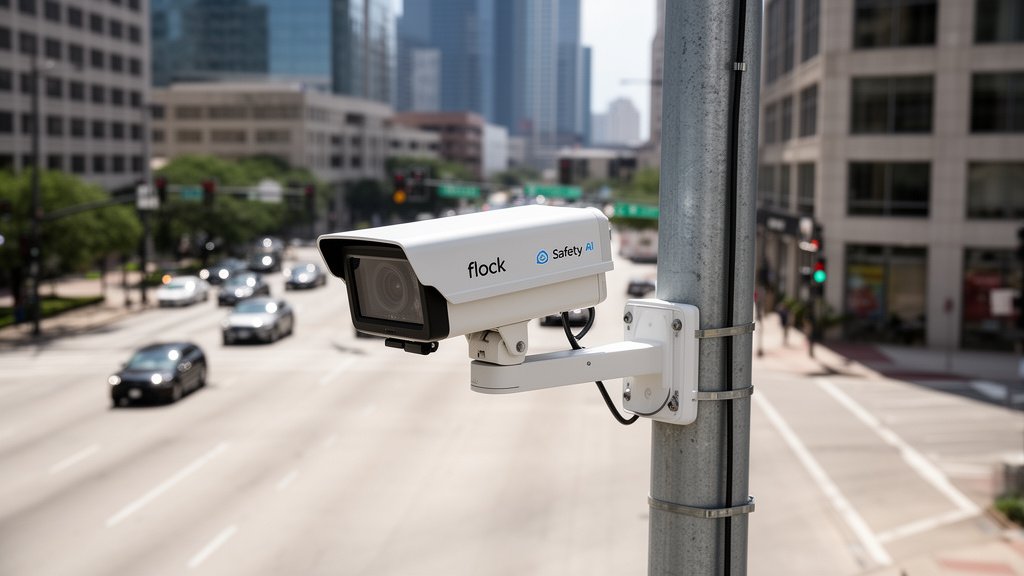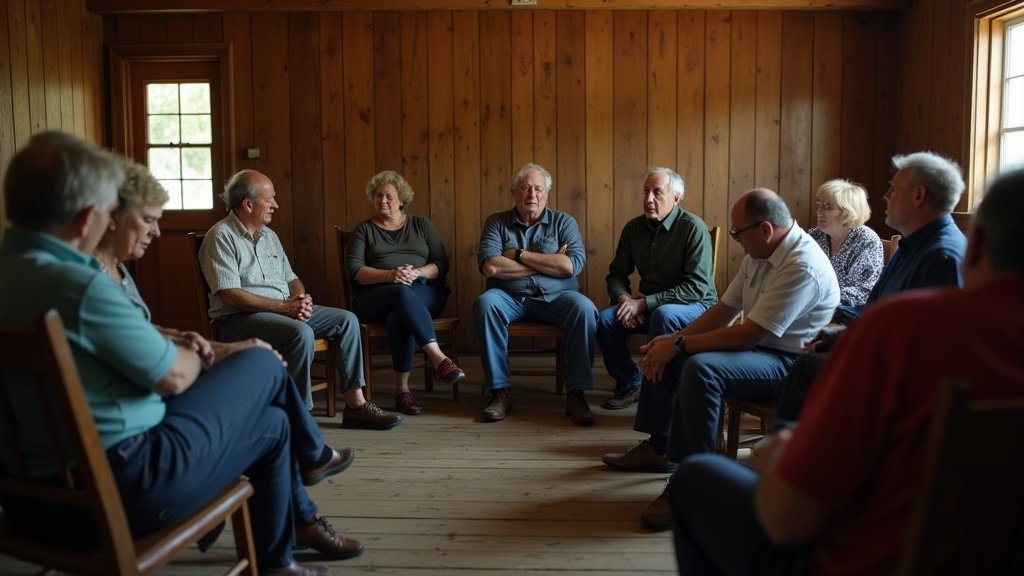
As Texas cements its status as the ‘Data Center Capital of the United States,’ a new form of resistance is emerging that transcends standard zoning disputes. In rural and suburban communities from the Hill Country to the outskirts of Dallas-Fort Worth, residents are increasingly framing their opposition to massive data center developments through the lens of religious stewardship and spiritual integrity. This growing movement argues that the uncontrolled expansion of energy-hungry server farms is an affront to the stewardship of the land and a threat to the soul of their communities.
The Rise of the Digital Temple: Why Texas?
Texas has become the premier destination for global data center investment due to its independent power grid, the Electric Reliability Council of Texas (ERCOT), and a regulatory environment that aggressively incentivizes large-scale industrial projects. In 2023 and 2024 alone, billions of dollars in capital expenditure have been earmarked for projects that promise to house the infrastructure for AI and cloud computing. State officials often characterize these facilities as ‘engines of the future,’ essential for maintaining Texas’s economic dominance in the digital age. However, these facilities are immense—consuming power comparable to mid-sized cities and requiring massive quantities of water for cooling—which has placed them on a collision course with local populations who view their landscape as a creation to be protected, not a resource to be harvested.
Spiritual Stewardship: The Moral Argument Against Infrastructure
Unlike typical environmental advocacy, which focuses on carbon footprints or noise pollution, the emerging opposition is rooted in ‘stewardship theology.’ Local community leaders and organized groups are leveraging religious language to articulate their dissent. They describe the land not as real estate, but as a ‘gift’ that demands protection from industrial encroachment.
In recent town hall meetings, speakers have increasingly invoked the concept of ‘community soul,’ arguing that the scale of these developments erodes the connection between neighbors and the quiet, natural order of their environment. For many, the high-pitched hum of industrial cooling fans is interpreted as an assault on the peace of the Sabbath. This is not just a disagreement over tax breaks or traffic; it is a fundamental rejection of a technological philosophy that prioritizes efficiency over the sanctity of local heritage.
The Collision of Sacred Ground and Silicon
This friction is creating complex legal and political hurdles for developers. When citizens frame opposition in religious terms, they often rally stronger community coalitions, making local zoning board decisions politically fraught. Elected officials, who typically prioritize economic development, are now finding themselves caught between the demands of tech giants like Google, Meta, or smaller infrastructure developers and the deeply held moral convictions of their constituents.
For example, in regions near the Texas Hill Country, opposition groups have cited the need to protect the ‘God-given water resources’ from the immense cooling needs of data centers. By linking infrastructure demands to religious duty, these groups effectively reframe the data center issue as a moral struggle. They argue that if a data center threatens the water supply of a local church or family farm, it is a violation of the stewardship responsibility, regardless of the tax revenue it generates.
Economic Progress vs. Community Soul
This secondary angle explores the disconnect between macro-economic goals and micro-community realities. State-level incentives for data centers often ignore the specific regional religious or cultural identities that define rural Texas. Economists point out that while these facilities bring revenue, they provide very few long-term jobs once construction is complete. This reality validates the spiritual opposition: the community gives up its ‘sanctity’ for a project that offers little tangible long-term prosperity to the locals.
Furthermore, the strain on the ERCOT grid is a recurring point of contention. When the grid fails, and faith-based community centers—which often act as warming or cooling stations for the elderly and vulnerable—lose power, the connection between data center energy consumption and ‘human suffering’ becomes an explicit moral argument in the public square.
The Future: A New Era of Site Selection?
As we look ahead, developers may be forced to adopt a ‘theological ESG’ (Environmental, Social, and Governance) framework. To succeed in Texas, companies might need to move beyond simple environmental mitigation and actively engage with the spiritual and cultural fabric of the communities they enter. If the industry continues to ignore the moral dimension of land use, they risk a future defined by endless litigation, stalled projects, and a state-wide legislative backlash that could jeopardize the entire Texas data center gold rush. The battle is no longer just about geography; it is about the ethics of our digital existence.