A recent poll indicates a significant majority of Texans are opposed to the development of data centers within their communities, citing environmental and infrastructural worries. This sentiment highlights a growing public apprehension towards the rapid expansion of digital infrastructure and its potential impact on local resources and quality of life.
Key Highlights:
- A majority of Texans express opposition to new data center construction.
- Environmental concerns, particularly water usage and energy consumption, are primary drivers of this opposition.
- Residents also voice worries about the strain on local power grids and infrastructure.
- The poll suggests a need for greater transparency and community engagement from data center developers.
Data Center Development Sparks Texan Opposition
The digital age is characterized by an insatiable demand for data storage and processing, leading to a boom in data center construction across the United States. Texas, with its favorable business climate and robust energy infrastructure, has been a prime location for this expansion. However, a new poll reveals a significant undercurrent of public dissatisfaction and outright opposition among Texans regarding the proliferation of these facilities in their local communities.
Environmental Pressures
One of the most significant concerns voiced by Texans is the environmental footprint of data centers. These facilities are notoriously power-hungry and require substantial amounts of water for cooling systems. In a state that has experienced severe droughts and faces ongoing water scarcity issues, the large water demands of data centers are a particularly sensitive topic. Residents are questioning the sustainability of such operations, especially when compared to the needs of local agriculture and municipal water supplies. Furthermore, the energy consumption of data centers contributes to a larger carbon footprint, raising questions about Texas’s commitment to renewable energy goals and overall environmental stewardship. The proximity of these industrial facilities to residential areas also sparks concerns about noise pollution and the visual impact on local landscapes.
Strain on Infrastructure
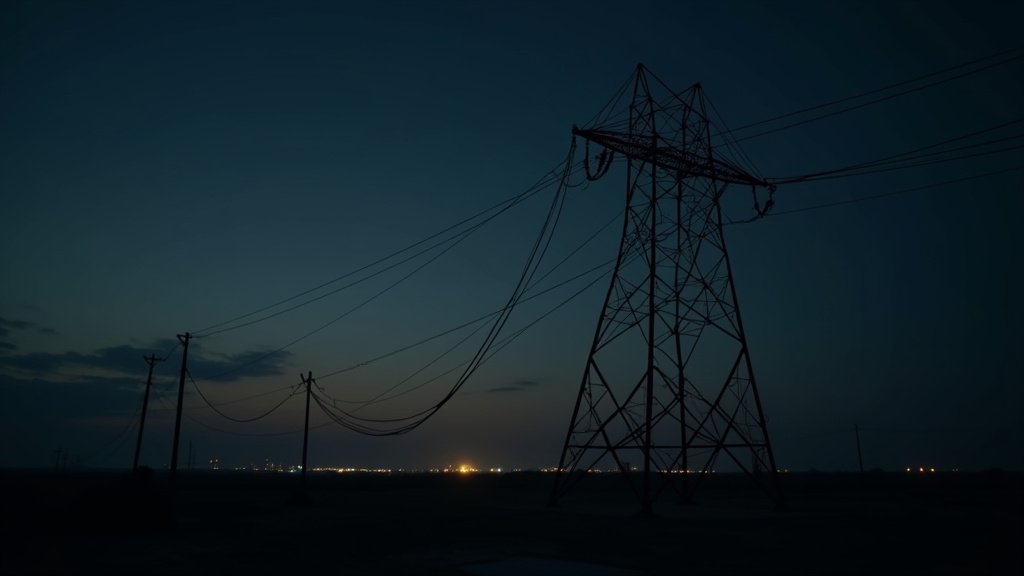
Beyond environmental impacts, Texans are increasingly worried about the strain that data centers place on local infrastructure. The immense power requirements of these facilities can put a significant burden on the electricity grid, potentially leading to instability or increased energy costs for existing residents and businesses. Local officials and residents alike are concerned about the capacity of existing power generation and distribution networks to handle the additional load without necessitating costly upgrades, the burden of which could fall upon taxpayers. Similarly, the increased traffic associated with construction and ongoing operation, including the transport of large equipment and the presence of maintenance vehicles, can exacerbate existing road infrastructure issues. This is particularly true in rural or less developed areas where roads may not be designed for heavy industrial use.
Community Engagement and Transparency
The poll results also point to a deficit in community engagement and transparency from data center developers. Many residents feel that decisions about data center construction are made without adequate public consultation or consideration of local concerns. There is a growing demand for clearer communication regarding the potential impacts, both positive and negative, of these projects. The perception is that developers often prioritize economic benefits for the companies involved, sometimes at the expense of the well-being and quality of life of the local population. This lack of trust can fuel opposition, even when projects promise job creation or tax revenue.
Economic Considerations
While data centers are often presented as economic boons, promising job creation and increased tax revenue, the poll suggests that many Texans are not convinced these benefits outweigh the potential drawbacks. Concerns exist about the type and longevity of jobs created, with many data center roles being highly specialized. Furthermore, the tax incentives and abatements often granted to data center companies can diminish the direct financial benefits to local communities. Residents are beginning to scrutinize these economic arguments more closely, weighing them against the tangible environmental and infrastructural costs.
FAQ: People Also Ask
What are the primary concerns of Texans regarding data centers?
The main concerns include high water usage, significant energy consumption, strain on the local power grid, and a perceived lack of community transparency from developers.
How much water do data centers typically consume?
Data centers require substantial amounts of water for cooling, with consumption varying greatly depending on the size of the facility and the cooling technology used. Some facilities can use millions of gallons per day.
What impact do data centers have on the local power grid?
Data centers have a massive electricity demand that can stress local power grids, potentially leading to issues with reliability and increased costs if infrastructure is not adequately upgraded.
Are there any environmental benefits to data centers?
While primarily associated with environmental costs, some modern data centers are designed with energy efficiency in mind and may utilize renewable energy sources, though this is not universally the case.
What can communities do if they oppose a new data center?
Communities can voice their concerns through public hearings, engage with local elected officials, support local opposition groups, and advocate for stricter zoning regulations and environmental impact assessments.