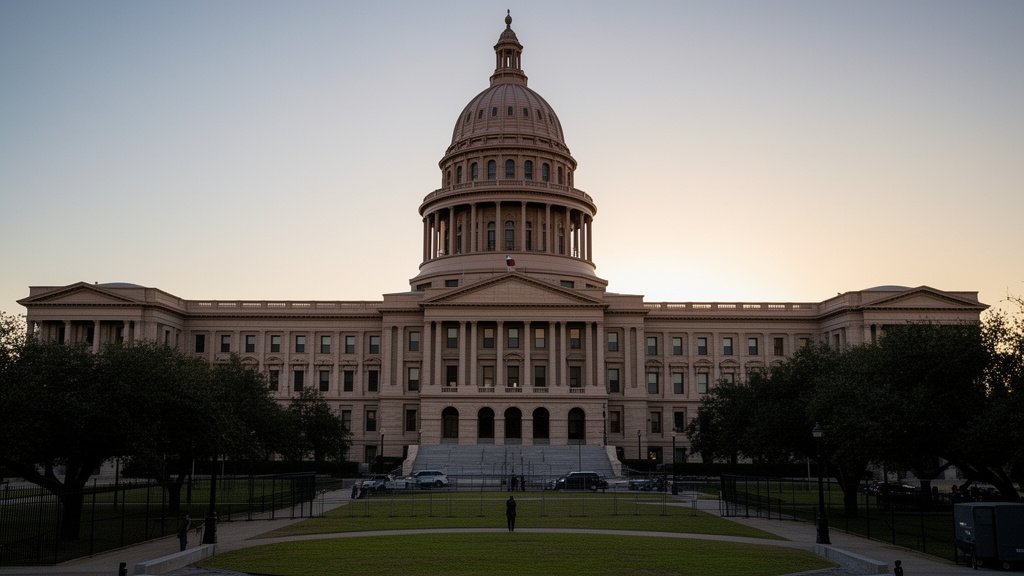

Texas Attorney General Ken Paxton has unleashed a targeted administrative intervention, effectively freezing the ability of more than 110 municipalities across the Lone Star State to increase property tax rates. The move, rooted in rigorous enforcement of state financial transparency and audit requirements, serves as a sharp reminder to local governments that the state of Texas demands strict adherence to financial reporting statutes. By barring these entities from implementing tax hikes, Paxton’s office has signaled a new era of aggressive oversight regarding how local revenue is generated and managed.
Key Highlights
- Administrative Freeze: Over 110 municipalities are currently legally barred from raising property tax rates due to failure to submit required annual financial audits to the state.
- Statutory Enforcement: The action is predicated on non-compliance with mandatory state financial reporting laws designed to provide transparency for local taxpayers.
- Revenue Disruption: This intervention creates an immediate and significant impact on the upcoming fiscal cycle, forcing local leaders to either align with state standards or operate within existing revenue constraints.
- State Oversight: The directive highlights the ongoing tension between local municipal autonomy and the state’s legislative push for increased transparency in local taxation.
The Anatomy of the Compliance Crackdown
The intervention initiated by the Office of the Attorney General is not merely a bureaucratic nudge; it is a calculated deployment of existing state statutes that link local taxation powers to fiscal transparency. At the heart of this issue is the requirement for local governments—including cities, counties, and special districts—to produce and file annual financial reports that accurately reflect their economic standing. These documents are the bedrock of the state’s efforts to ensure that taxpayers have a clear view of how their money is being utilized and whether municipal growth is being managed sustainably.
According to the enforcement guidelines, when a municipality fails to submit these comprehensive audits within the designated timeframe, they are essentially operating in a ‘compliance blackout.’ By triggering the state’s authority to block tax rate increases, Paxton is leveraging a powerful incentive: the loss of fiscal flexibility in exchange for failing to meet the basic standards of government accountability.
Why Financial Transparency Matters
Transparency is the primary argument from the Attorney General’s office. The logic is simple yet severe: local governments cannot be permitted to increase the tax burden on residents while simultaneously obscuring their financial data through failure to comply with audit filing deadlines. This crackdown forces a ‘clean up your books’ ultimatum. For many of the 110+ municipalities caught in this web, the immediate challenge is not just correcting the filing error, but doing so under a public microscope, as the state’s action has elevated these administrative failures to a major legislative issue.
The Impact on Local Budgeting
For municipal leadership, this freeze is catastrophic for budget planning. Tax rate increases are often the primary lever for funding critical infrastructure, law enforcement, and municipal services. When that lever is removed, local governments must either dip into reserves, cut services, or delay capital projects. The uncertainty created by this intervention means that many local councils are now scrambling to expedite their audit processes to regain their taxation authority before the next fiscal budget cycle begins in earnest. This environment creates a ‘comply or suffer’ dynamic that is fundamentally altering how local governments view their administrative obligations to the state.
Exploring the Ripple Effects of State Oversight
The situation involving the 110 municipalities provides a unique case study in the evolving relationship between Texas state authorities and local governance. To understand the broader implications of this development, we must analyze three key secondary angles that define the current landscape.
1. The Historical Pivot to State Supremacy
Historically, Texas municipalities enjoyed a high degree of autonomy in managing their fiscal affairs. However, recent legislative sessions have marked a distinct pivot toward state supremacy. This crackdown is the latest iteration of a policy trend where the state legislature, supported by the Attorney General, utilizes ‘teeth’—administrative penalties and blocks—to enforce state-level reporting standards. This isn’t just about taxes; it is about the state establishing a clear hierarchy where local entities must mirror the transparency standards of the state government.
2. The Economic Burden on Rural vs. Urban Entities
The administrative capacity to handle complex financial audits is not distributed equally. Larger, urban municipalities typically have robust finance departments capable of navigating state requirements. Conversely, smaller, rural municipalities often struggle with the technical expertise required for rigorous auditing. This crackdown, therefore, impacts smaller entities disproportionately, raising questions about whether the state’s enforcement mechanisms should be tailored to account for the varying levels of resources available to different municipalities.
3. The Taxpayer as the Ultimate Stakeholder
Ultimately, the stated objective of this entire operation is the protection of the taxpayer. By forcing cities to disclose financial data, the state argues it is preventing ‘taxation without transparency.’ From the perspective of the individual resident, the blockage is a double-edged sword: while it might prevent a potentially unwarranted tax hike in the short term, it also risks underfunding essential services if the city remains locked in an audit dispute for an extended period. The outcome of this standoff will determine whether this aggressive oversight serves as a genuine consumer protection tool or an administrative hurdle that stifles local utility.
FAQ: People Also Ask
Q: Why exactly are these cities being blocked?
A: The primary reason is failure to submit required financial audits to the state within the mandated timeframe. This creates a violation of financial transparency laws, triggering the Attorney General’s intervention.
Q: Can these cities regain the right to raise taxes?
A: Yes. Once the municipalities successfully complete and submit the required audits to the relevant state agencies, they can rectify their compliance status and potentially restore their ability to adjust tax rates.
Q: Does this affect all 110+ cities equally?
A: The impact varies based on the individual city’s budget cycle and its reliance on property tax increases for the coming year. However, the legal block remains in place across the board until compliance is met.
Q: Is this the first time the Attorney General has used this power?
A: While enforcing reporting standards is a function of the office, the scale of this specific intervention—covering over 110 municipalities simultaneously—represents a significant and highly visible application of state authority designed to send a clear message to local governments.
Q: What should residents do if their city is on this list?
A: Residents should contact their local city council or finance department to inquire about the status of their city’s audit filings and to ask how the freeze will impact upcoming local budget allocations and services.