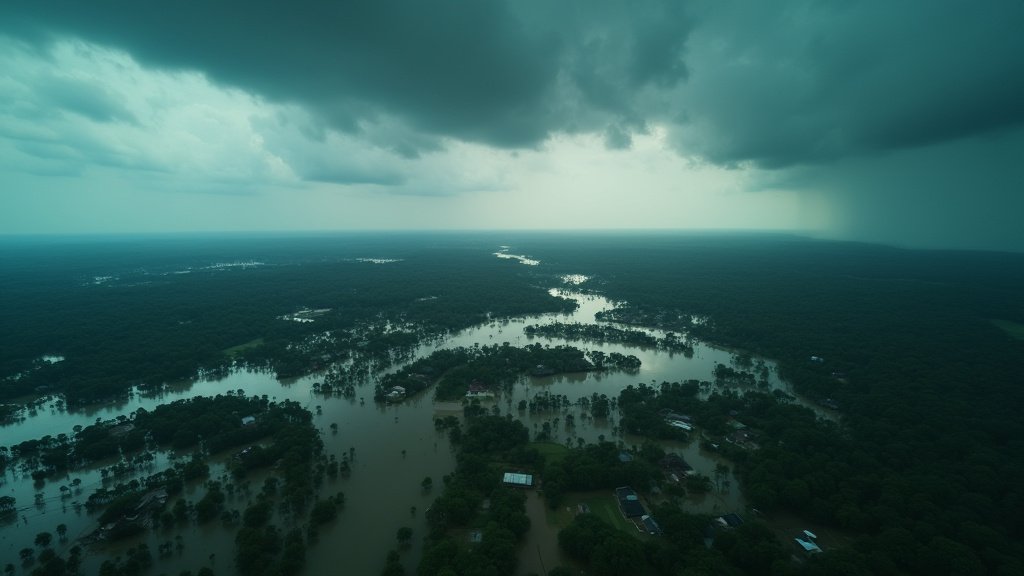

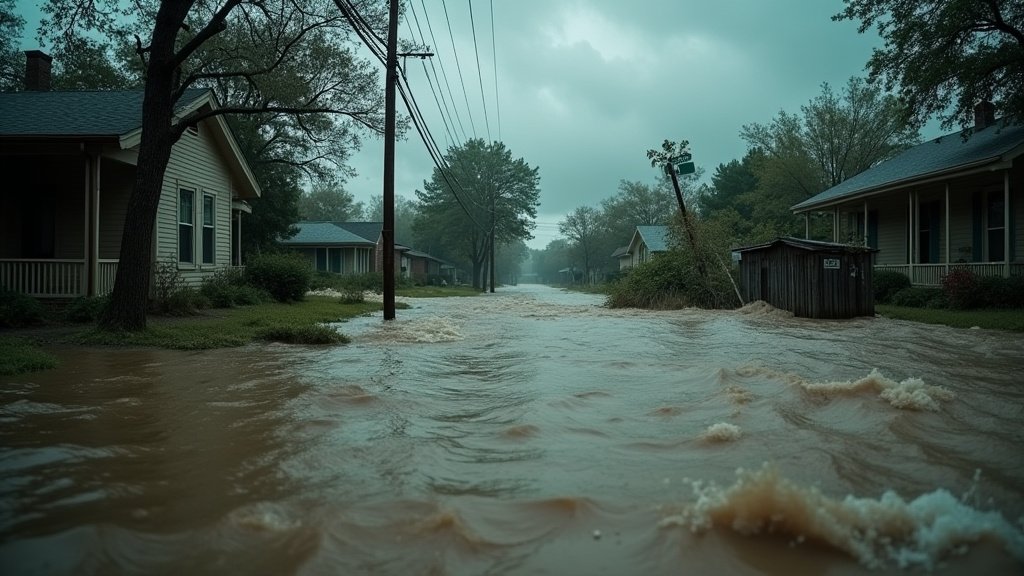
Governor Greg Abbott has officially declared a state of disaster for several Texas counties as the state grapples with the aftermath of severe storms that unleashed heavy rainfall and flash flooding. The proclamation allows for the deployment of state resources to aid local recovery efforts in affected communities.
Key Highlights:
- Governor Abbott has issued a disaster proclamation for multiple Texas counties.
- The declaration is in response to severe storms, heavy rain, and flash flooding.
- State resources are being mobilized to support local recovery operations.
- Residents in affected areas are urged to stay informed about weather updates and safety precautions.
Texas Reels from Destructive Storms
Texas is once again facing the fury of severe weather, with a recent spate of storms leaving a trail of destruction across numerous counties. The heavy downpours have led to widespread flash flooding, inundating roads, overflowing rivers, and causing significant damage to homes and infrastructure. Governor Greg Abbott’s swift action in issuing a disaster proclamation is a critical step in mobilizing the necessary aid and resources to assist the affected communities in their recovery.
The Impact on Communities
The storms have had a profound impact on the daily lives of Texans. Areas that typically experience dry conditions have been transformed into treacherous waterways, making travel impossible and endangering residents. Emergency services have been stretched thin responding to calls for assistance, including water rescues and evacuations. The economic toll is also significant, with damaged businesses and agricultural lands facing substantial repair costs. Local officials are working tirelessly to assess the full extent of the damage and coordinate relief efforts on the ground.
State and Federal Response
The disaster proclamation empowers state agencies to provide critical support, including personnel, equipment, and funding, to bolster local response and recovery initiatives. This may involve the Texas Division of Emergency Management (TDEM) coordinating with FEMA and other federal partners if the damage meets federal disaster criteria. The immediate focus is on ensuring the safety of residents, providing temporary shelter for those displaced, and beginning the arduous process of clearing debris and assessing infrastructure damage. Long-term recovery plans will be crucial in rebuilding and strengthening communities against future extreme weather events.
Environmental and Infrastructure Concerns
Beyond the immediate human impact, the severe storms also raise concerns about the state’s infrastructure and environment. Floodwaters can compromise the structural integrity of roads, bridges, and dams. The contamination of water supplies is another serious issue, as floodwaters can carry pollutants and waste. Power outages have affected thousands, further complicating rescue and recovery operations. Environmental agencies will be monitoring the long-term effects on local ecosystems and natural resources.
FAQ: People Also Ask
What triggers a disaster proclamation in Texas?
A disaster proclamation in Texas is typically issued by the Governor when a disaster event overwhelms the capabilities of local officials to respond and recover. It allows for the mobilization of state resources and can be a precursor to seeking federal assistance.
What kind of aid is available after a disaster declaration?
Following a disaster declaration, state and potentially federal aid can become available. This can include emergency services, temporary housing, debris removal, repair assistance for homes and businesses, and support for public infrastructure projects.
How can residents prepare for severe storms and flooding?
Residents in storm-prone areas should have an emergency plan, including evacuation routes and a disaster kit with essential supplies. Staying informed about weather alerts through local media or emergency alert systems is crucial. Securing property and having adequate insurance are also important preparedness measures.
What is the role of the Texas Division of Emergency Management (TDEM)?
TDEM is the state agency responsible for coordinating the state’s emergency management program. It works to prepare for, respond to, and recover from natural disasters and other emergencies, providing support to local governments and citizens.
How long does recovery typically take after a major storm event?
Recovery from major storm events can be a lengthy process, often taking months or even years, depending on the severity of the damage, the availability of resources, and the complexity of rebuilding efforts.