The U.S. military confirmed another strike on Saturday in the eastern Pacific Ocean, targeting a vessel suspected of drug smuggling. This operation resulted in the deaths of three individuals, bringing the total death toll to 205 from such attacks this week. This marks the fourth such strike in the current week.
Key Highlights:
- U.S. military conducted a strike on a suspected drug smuggling boat.
- Three individuals were killed in the operation.
- This incident is the fourth strike this week.
- The cumulative death toll from these operations has reached 205.
Eastern Pacific Drug Interdiction Operations
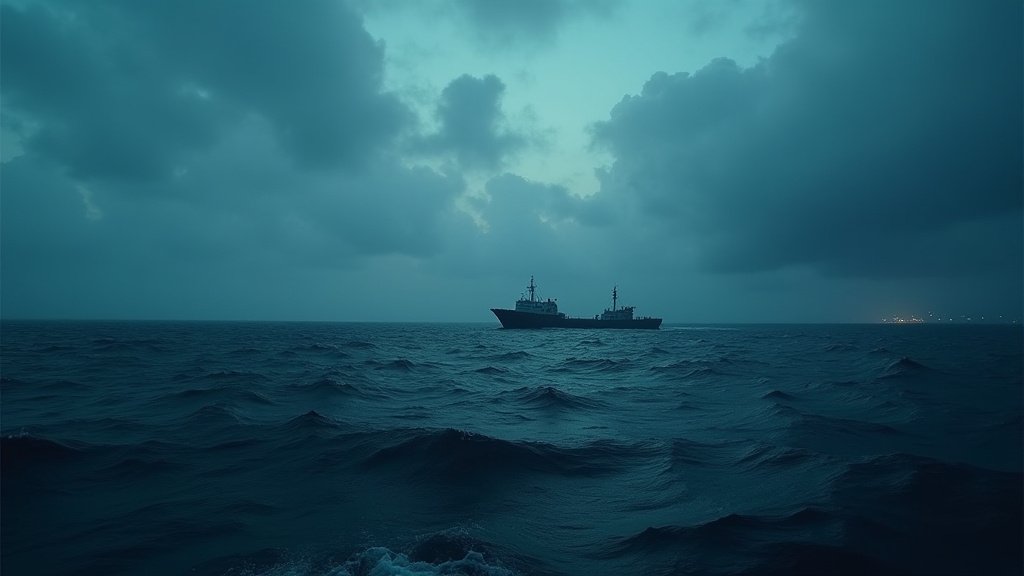
In a swift and decisive action, the U.S. military reported on Sunday the successful execution of a strike against a vessel implicated in drug smuggling activities. The operation, which took place on Saturday in the volatile waters of the eastern Pacific Ocean, tragically resulted in the fatalities of three men aboard the targeted boat. This incident underscores the ongoing and escalating efforts by international forces to combat illicit drug trafficking networks that utilize maritime routes for their operations.
Escalating Operations and Fatality Count
The strike is significant not only for its immediate outcome but also for its context within a series of recent operations. This marks the fourth such military engagement this week, indicating an intensified campaign against drug smuggling. The cumulative death toll from these four strikes has now regrettably risen to 205. This grim figure highlights the high stakes and inherent dangers involved in these interdiction efforts, both for the individuals targeted and potentially for the personnel conducting the operations.
The Role of Naval Interdiction in Counter-Narcotics
Naval interdiction plays a crucial role in the global fight against illegal narcotics. Vessels suspected of carrying drugs often attempt to evade detection and interdiction by operating in remote international waters. The U.S. military and its allies frequently patrol these areas, utilizing advanced surveillance technology and rapid response capabilities to intercept such threats. These operations are complex, often involving risks of confrontation and requiring adherence to strict rules of engagement.
International Cooperation and Challenges
Combating drug smuggling in the eastern Pacific is a challenge that requires significant international cooperation. Various nations contribute to maritime security efforts, sharing intelligence and coordinating patrols to disrupt trafficking routes. However, the vastness of the ocean and the sophisticated methods employed by smuggling organizations make complete eradication a formidable task. The incidents also raise complex questions about jurisdiction, the treatment of individuals interdicted, and the potential for collateral damage in such operations.
U.S. Military’s Mandate and Tactics
The U.S. military’s involvement in these operations is typically driven by national security interests, including stemming the flow of illicit substances that can fuel crime and instability. The tactics employed can range from non-lethal boarding and seizure to, in specific circumstances, the use of force to disable or destroy vessels posing an imminent threat or refusing to comply with lawful orders. The rules governing the use of force in these scenarios are meticulously defined to balance mission objectives with minimizing harm.
FAQ: People Also Ask
What is the primary goal of U.S. military strikes on drug smuggling boats?
The primary goal is to disrupt and dismantle international drug trafficking networks by interdicting vessels suspected of carrying illegal narcotics, thereby preventing these drugs from reaching their intended markets and addressing the associated security and health crises.
How many U.S. military personnel were involved in the strike?
The specific number of personnel involved in this particular strike has not been publicly disclosed, as is common with ongoing military operations.
What happens to individuals apprehended during drug smuggling interdictions?
Individuals apprehended are typically taken into custody, processed, and may face legal proceedings under national and international law, depending on the jurisdiction and the nature of the evidence.
Are there international laws governing these types of maritime interdictions?
Yes, maritime interdictions are governed by a complex framework of international laws, including the United Nations Convention against Illicit Traffic in Narcotic Drugs and Psychotropic Substances, and customary international law, which address issues of jurisdiction, transit, and law enforcement in international waters.
What are the risks associated with these interdiction operations?
The risks include potential armed resistance from drug traffickers, dangerous sea conditions, the complexity of operating in international waters, and the potential for unintended casualties or damage to civilian vessels.