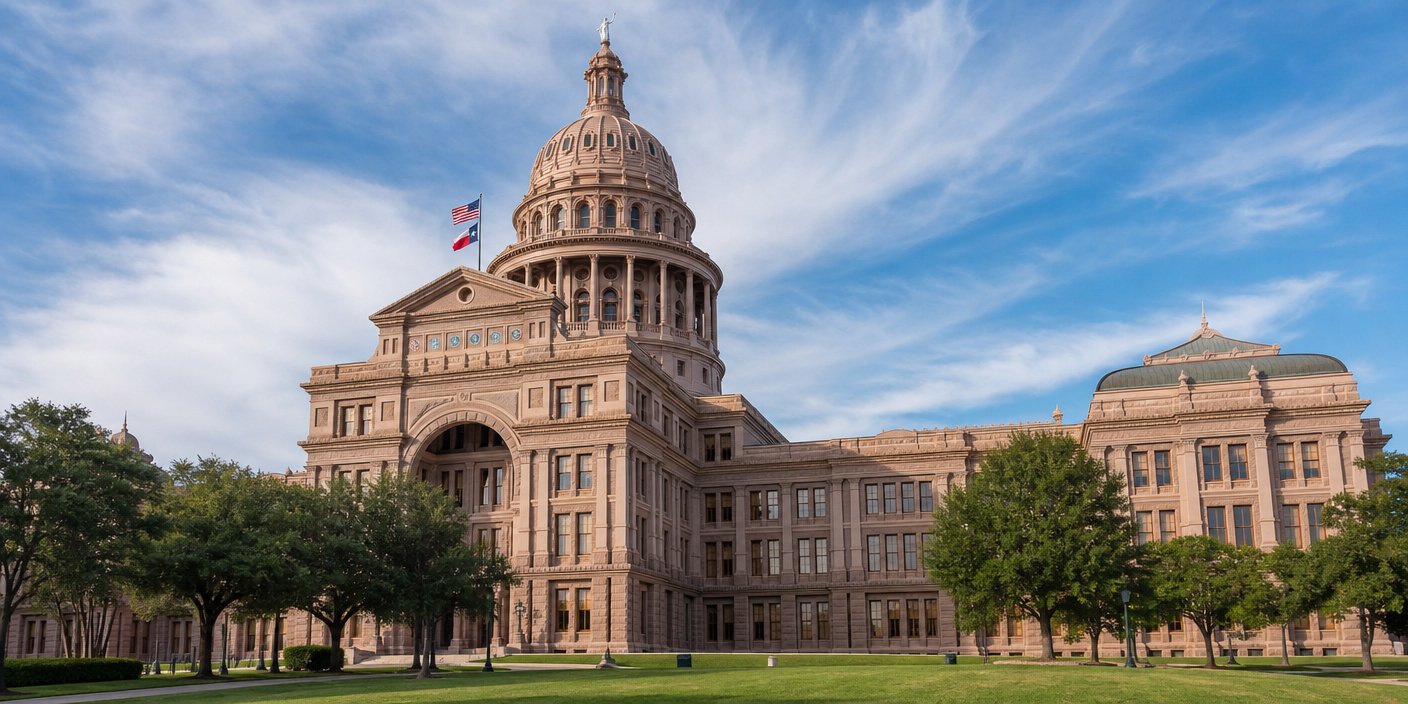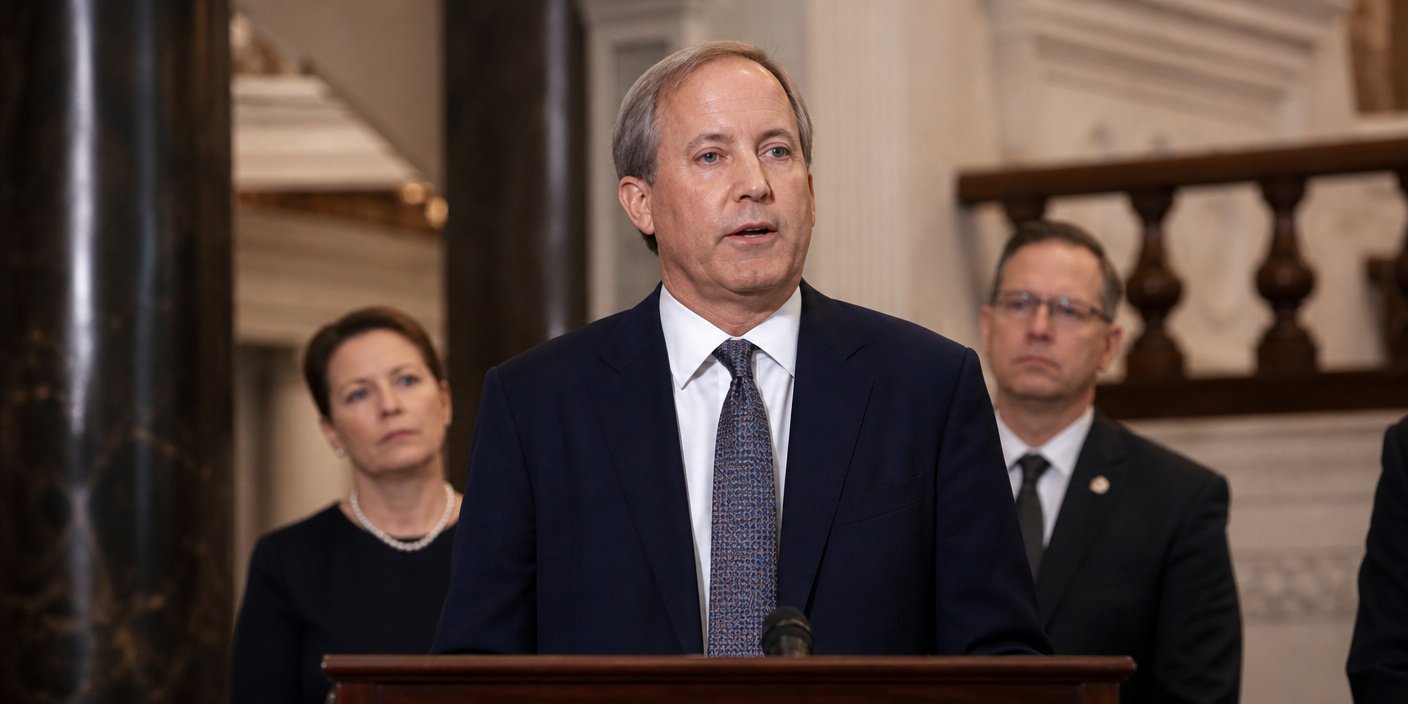


Texas Republican voters are heading to the polls today in primary elections that could significantly reshape the future direction of the state’s GOP and influence the composition of the U.S. Senate. The outcomes of these races are being closely watched as they may signal a shift in the party’s ideology and priorities ahead of the general election.
Key Highlights:
- Primary elections in Texas will determine the fate of several key Republican figures and set the stage for November’s general election.
- The races could indicate the level of influence for different factions within the Texas GOP, from establishment conservatives to more populist or MAGA-aligned candidates.
- Senate races in Texas are particularly critical, with implications for the balance of power in Washington.
- Voter turnout and the specific results will be analyzed for broader trends in conservative politics.
The Shifting Sands of Texas Republicanism
The primaries underway in Texas represent a crucial inflection point for the Republican Party, both within the state and on a national scale. As GOP voters cast their ballots, they are not just choosing candidates for various offices, but are also sending a clear message about the ideological trajectory they envision for their party. This election cycle is marked by internal party dynamics, with established figures facing challenges from a new wave of candidates who often align with a more populist or Trump-influenced platform. The results will likely reveal the extent to which these different factions can coalesce or if the divisions within the party will become more pronounced.
The Senate’s Tightrope Walk
Of particular national significance are the U.S. Senate races. Texas, a populous and politically pivotal state, has Senate seats that are often hotly contested. The candidates who emerge from these primaries will carry the banner for the Republican Party in the general election, and their victories or defeats could directly impact the delicate balance of power in the Senate. Observers are keen to see if the party will nominate candidates who can appeal to a broader electorate or if it will double down on a base-focused strategy. The success of incumbents and challengers alike will be a key indicator of the party’s electability in a diverse state like Texas.
Local Races, National Echoes
Beyond the high-profile Senate contests, numerous state and local races are also on the ballot. These contests, while seemingly localized, often serve as bellwethers for broader political sentiments. The performance of candidates in these races can highlight emerging issues, test new campaign strategies, and provide early insights into voter engagement. For the Texas GOP, these local battles are critical for maintaining party infrastructure and mobilizing voters for the larger campaigns to come. The outcomes could also influence future legislative priorities and policy debates within the state.
Engagement and Turnout Dynamics
A significant factor in any election is voter turnout. The energy and participation levels seen today will provide a snapshot of the Republican base’s enthusiasm and engagement. Factors such as contested races, key endorsements, and the national political climate can all influence who shows up to vote. For the Texas GOP, maximizing turnout, particularly among their core supporters, is essential for securing victories. Analysts will be poring over the turnout data to understand demographic engagement and geographic strongholds.
FAQ: People Also Ask
What are the key issues driving the Texas GOP primaries?
Key issues often include border security, economic policy (inflation, taxes), social conservatism, and the role of the federal government. Candidates may also differentiate themselves on their approach to energy policy and education.
How do these primaries affect the national Republican Party?
These primaries are seen as a test of the party’s direction. The success of candidates aligned with different ideological wings, particularly the MAGA movement, can influence national party platforms and strategies for future elections.
What is the significance of Texas in national politics?
Texas is the second-most populous state and a major economic powerhouse. Its political outcomes, especially in statewide and federal races, can have a substantial impact on national elections and policy decisions due to its electoral weight and influence.
How can voters find information about their specific primary races?
Voters can typically find information through their county’s election board website, the Texas Secretary of State’s election division, or non-partisan voter information guides. Polling locations and sample ballots are usually available online.