
U.S. Customs and Border Protection (CBP) officers intercepted a significant drug shipment, seizing over $692,000 worth of cocaine at the Progreso Port of Entry in Texas. The discovery was made during routine inspections, highlighting the ongoing efforts by law enforcement to combat illicit drug trafficking across the U.S.-Mexico border.
Key Highlights:
- Over $692,000 in cocaine seized.
- Narcotics discovered at the Progreso Port of Entry.
- CBP officers conducted the interdiction.
- The seizure is part of ongoing border security operations.
Border Bust: CBP Interdicts Major Cocaine Shipment
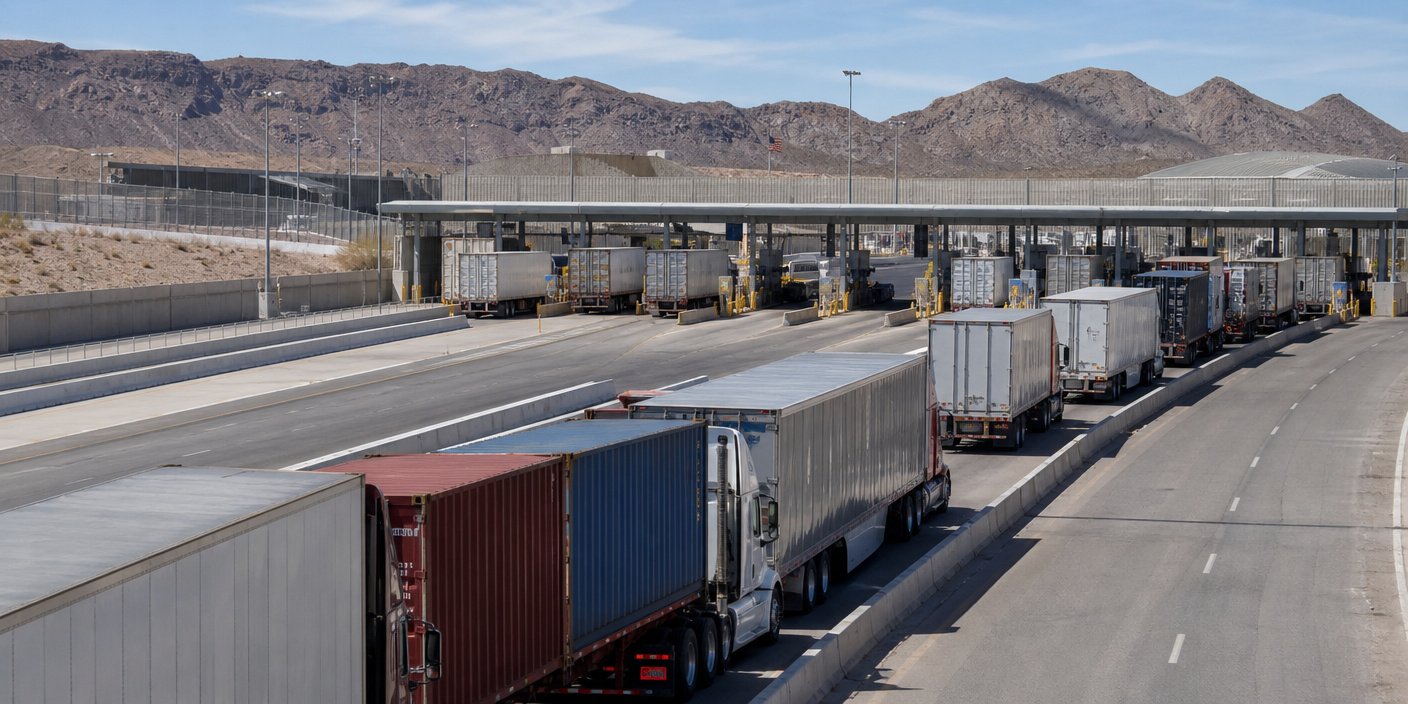
In a substantial blow to drug trafficking networks, U.S. Customs and Border Protection (CBP) officers at the Progreso Port of Entry have successfully seized more than $692,000 worth of cocaine. The significant interdiction occurred during a routine inspection of a conveyance entering the United States from Mexico. This operation underscores the critical role CBP plays in safeguarding the nation’s borders against the flow of dangerous narcotics.
The Discovery and Seizure
The seizure took place when CBP officers, utilizing their expertise and detection tools, identified suspicious elements within a commercial shipment. A thorough examination of the conveyance revealed the presence of cocaine concealed within the cargo. The total amount of cocaine seized has an estimated street value exceeding $692,000. This successful interdiction is a testament to the vigilance and dedication of the CBP officers on duty.
Progreso Port of Entry: A Key Border Crossing
The Progreso Port of Entry is a vital crossing point for commercial and pedestrian traffic between Texas and Mexico. Its strategic location makes it a frequent target for smuggling activities. CBP’s presence and proactive measures at this port are crucial for disrupting the flow of illegal goods, including narcotics, firearms, and contraband, into the United States. The agency continuously deploys advanced technology and highly trained personnel to enhance its interdiction capabilities.
CBP’s Role in National Security
U.S. Customs and Border Protection is the unified border agency of the Department of Homeland Security (DHS) charged with the primary mission of protecting the United States from terrorists and instruments of terror. CBP’s mission also includes facilitating lawful international trade and travel, and collecting duties and taxes. The seizure of narcotics at ports of entry is a critical component of this broader mission, directly impacting public safety and national security by preventing harmful substances from reaching American communities. The agency works in close coordination with other federal, state, and local law enforcement agencies to share intelligence and conduct joint operations.
Implications of the Seizure
This seizure represents a significant disruption to the drug trafficking organizations that rely on U.S. ports of entry to move their illicit products. By interdicting such large quantities of cocaine, CBP not only prevents the drugs from entering circulation but also deprives these criminal enterprises of substantial profits. The ongoing efforts at the border are essential in combating the opioid crisis and other drug-related public health issues affecting communities nationwide. The success at Progreso is indicative of a larger, sustained effort across all U.S. ports of entry.
FAQ: People Also Ask
What is the Progreso Port of Entry?
The Progreso Port of Entry is one of the major international bridges and border crossings connecting the United States and Mexico, located in Progreso, Texas, across the Rio Grande from Nuevo Progreso, Tamaulipas.
How are drugs typically smuggled across the border?
Drugs are smuggled through various methods, including concealment within commercial vehicles and cargo, personal couriers (mules), tunnels, watercraft, and small aircraft. CBP officers are trained to detect a wide range of concealment techniques.
What is the role of U.S. Customs and Border Protection (CBP)?
CBP is responsible for protecting the United States’ borders from terrorists and instruments of terror, facilitating lawful international trade and travel, and enforcing numerous laws and regulations, including those related to narcotics interdiction.
What happens to seized narcotics?
Seized narcotics are typically documented and then destroyed under secure conditions, often in the presence of law enforcement officials. Evidence is preserved as needed for prosecution.
How much cocaine was seized in the U.S. last year?
Statistics on drug seizures can vary annually. However, CBP and the Drug Enforcement Administration (DEA) consistently report significant seizures of cocaine and other illicit drugs at ports of entry and in interior checkpoints across the country.