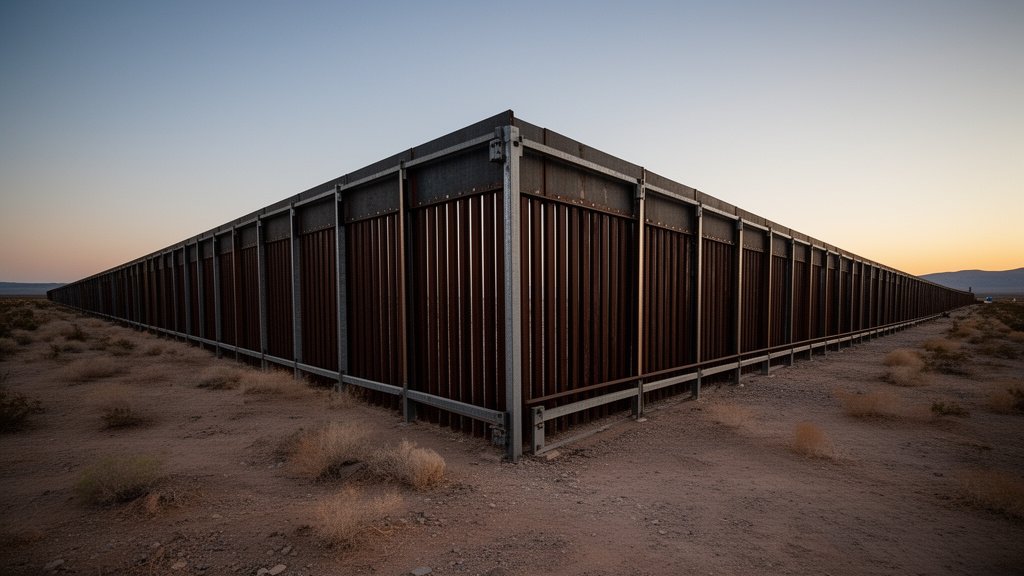

In a significant shift for border security policy, the Commissioner of U.S. Customs and Border Protection (CBP) has confirmed that plans for constructing a border wall in the Big Bend Sector of Texas have been entirely abandoned. This decision marks a departure from previous administrations’ approaches and signals a new strategy for managing the complex challenges at this remote and ecologically sensitive stretch of the U.S.-Mexico border.
Key Highlights:
- No border wall will be constructed in the Big Bend Sector.
- The CBP Commissioner cited environmental and logistical concerns as primary reasons for the decision.
- The focus will shift towards non-physical barriers and enhanced technological surveillance.
- This decision aligns with conservation efforts in the ecologically rich Big Bend region.
- Local stakeholders and environmental groups have largely welcomed the announcement.
Big Bend’s Border Wall Reversal: A New Era for Southwest Security
The Big Bend Sector, known for its vast, rugged terrain and critical wildlife habitats, has long been a focal point in the national conversation surrounding border security. Unlike more populated areas along the U.S.-Mexico border, Big Bend presents unique geographical and ecological challenges that have complicated previous proposals for extensive physical barriers. The recent confirmation from CBP leadership that no border wall will be built here represents a significant pivot, prioritizing a multi-faceted approach over traditional construction.
Environmental and Logistical Hurdles
The decision to forgo wall construction in Big Bend is heavily influenced by the sector’s unique characteristics. The region encompasses parts of Big Bend National Park, a UNESCO World Heritage Site, and numerous other protected natural areas. Building a substantial wall through this terrain would pose severe risks to endangered species, disrupt vital wildlife migration corridors, and potentially damage sensitive ecosystems. Furthermore, the sheer scale and remoteness of Big Bend present immense logistical and financial challenges for any large-scale construction project. Access for heavy machinery, material transport, and ongoing maintenance in such an environment would be extraordinarily difficult and costly.
Strategic Shift Towards Technology and Non-Physical Barriers
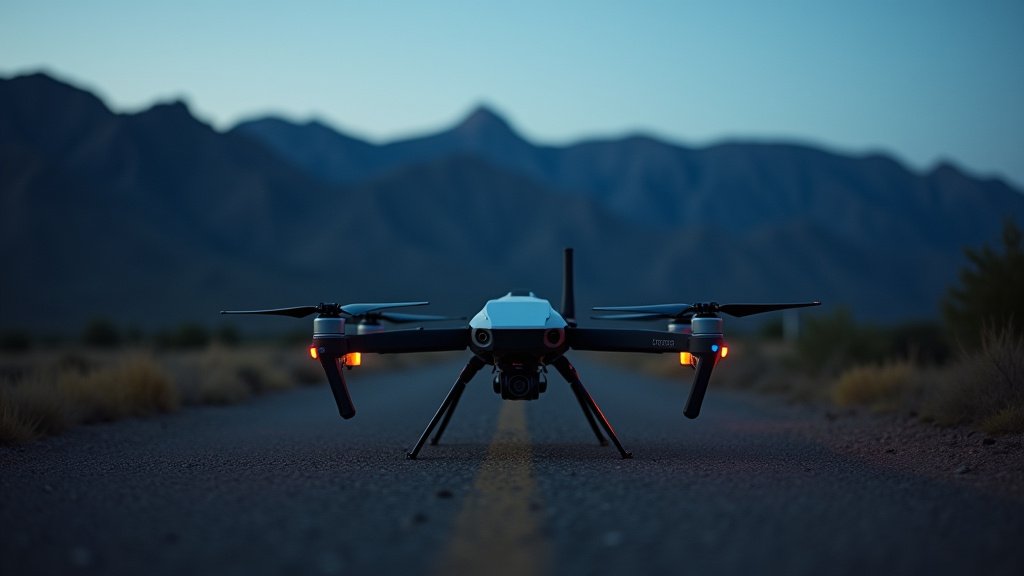
With the cessation of wall construction, CBP is signaling a strategic realignment towards more modern and adaptable border security measures. The emphasis is shifting to a combination of advanced surveillance technology, including upgraded sensor networks, aerial surveillance drones, and sophisticated monitoring systems, coupled with enhanced human patrols. This approach aims to provide comprehensive situational awareness without the environmental impact and physical limitations of a traditional wall. The goal is to create a more dynamic and responsive security posture that can adapt to the ever-changing dynamics of border crossings in the sector.
Stakeholder Reactions and Conservation Implications
The announcement has been met with widespread approval from environmental organizations and local conservation groups. For years, these entities have advocated for the protection of Big Bend’s unique natural heritage, warning that a border wall would irrevocably damage the region’s biodiversity. The decision is seen as a major victory for conservation efforts, ensuring that the ecological integrity of this vital natural landscape is preserved. Local communities and indigenous groups, who have often expressed concerns about the impact of border infrastructure on their lands and way of life, also largely view this as a positive development, signaling a more considered and less intrusive approach to border management.
Historical Context of Border Security in Big Bend
The debate over border security in the Big Bend Sector is not new. Historically, due to its challenging terrain, the focus has often been on managing the flow of illicit goods and deterring human smuggling through a combination of limited infrastructure, technology, and personnel. Unlike sectors with major urban centers or easily traversed land, Big Bend’s natural barriers have always played a significant role. Previous administrations have considered various security measures, but the ecological sensitivity and ruggedness of the area have consistently made large-scale wall construction an unviable or highly controversial option. This latest decision can be seen as an evolution of that long-standing approach, embracing modern solutions that are more in tune with the environment.
Economic and Resource Allocation Considerations
Beyond environmental concerns, the economic implications of abandoning the wall project are also significant. The immense cost associated with constructing and maintaining a wall in Big Bend would divert substantial resources that can now be reallocated to other critical areas of border security and management. This includes investing in personnel, advanced technology, intelligence gathering, and community outreach programs. The shift allows for a more efficient allocation of taxpayer funds, focusing on proven methods of border control that are both effective and fiscally responsible within the context of Big Bend’s specific challenges.
FAQ: People Also Ask
What is the Big Bend Sector?
The Big Bend Sector is one of nine sectors within the U.S. Border Patrol’s operations along the U.S.-Mexico border. It covers approximately 510 miles of the border and is characterized by its vast, remote, and rugged desert and mountainous terrain in West Texas. It is known for its ecological richness, including Big Bend National Park.
Why was a border wall proposed for Big Bend in the first place?
While extensive wall construction has been less prevalent in Big Bend compared to other sectors due to its terrain, various proposals and discussions regarding increased border infrastructure have occurred over the years, often as part of broader national border security initiatives. These proposals were typically aimed at deterring illegal crossings and smuggling in a region that is difficult to patrol.
What are the primary concerns regarding a border wall in Big Bend?
The primary concerns include significant environmental damage to sensitive ecosystems, disruption of wildlife migration corridors for endangered and protected species, negative impacts on the natural beauty and cultural heritage of the area (including national parks), and immense logistical and financial challenges in constructing and maintaining such a barrier in remote, rugged terrain.
What will replace the border wall in Big Bend?
Instead of a physical wall, U.S. Customs and Border Protection plans to enhance border security in Big Bend through increased use of technology, such as advanced sensors, cameras, and drones, along with increased personnel presence and patrols. The focus is on intelligence-driven operations and non-physical deterrents.
How does this decision impact conservation efforts in the region?
This decision is seen as a major victory for conservation. It allows for the protection of critical habitats, prevents the fragmentation of ecosystems, and safeguards the biodiversity of Big Bend National Park and surrounding areas, ensuring that these natural resources can be preserved for future generations.