

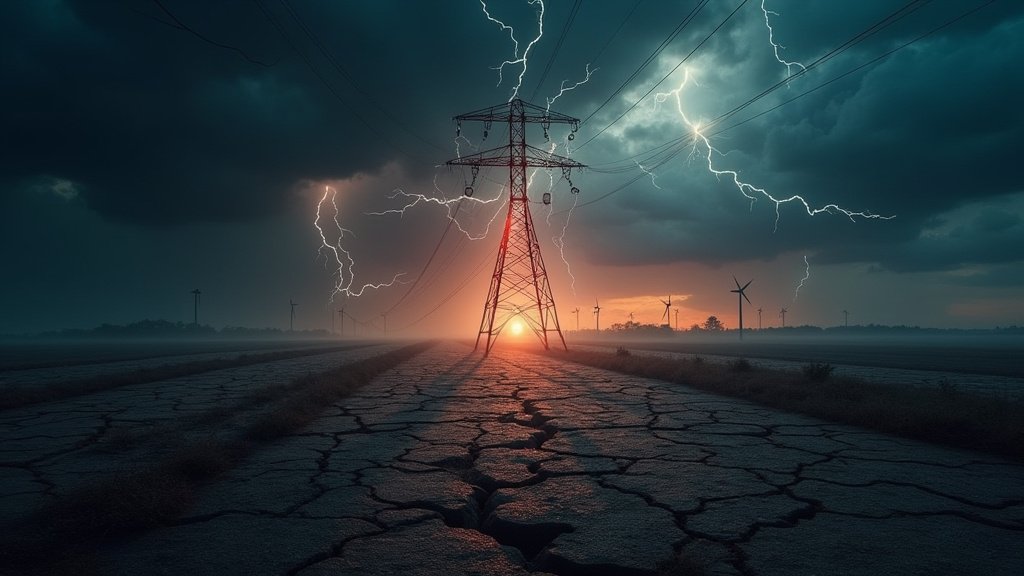
The Texas power grid is bracing for a challenging summer as officials predict record-breaking demand exacerbated by increasingly volatile weather patterns. The Electric Reliability Council of Texas (ERCOT) has issued warnings and is urging residents and businesses to prepare for potential strain on the system, raising concerns about the state’s energy infrastructure.
Key Highlights:
- ERCOT forecasts record electricity demand for the upcoming summer.
- Extreme weather, including heatwaves and severe storms, is identified as a primary risk factor.
- Conservation measures and grid reliability initiatives are being emphasized.
- Recent grid stability issues continue to be a public concern.
- Investment in renewable energy and grid modernization are ongoing.
Summer Demand Forecast and Weather Volatility
Texas is no stranger to extreme weather, and the forecasts for the upcoming summer indicate a high probability of record-breaking temperatures. This, coupled with the state’s booming population and industrial growth, is expected to drive electricity demand to unprecedented levels. ERCOT, the state’s grid operator, is already implementing strategies to ensure grid reliability, but acknowledges the significant challenges ahead. The interplay between soaring demand and the unpredictable nature of weather events presents a complex operational puzzle. Heatwaves, which are predicted to be more intense and frequent, will place immense pressure on the system as air conditioning usage spikes. Conversely, severe storms can disrupt power generation and transmission infrastructure, creating a dual threat of high demand and reduced supply. The grid’s ability to withstand these combined pressures will be a critical test of its resilience.
Historical Precedents and Lessons Learned
The summer of 2023 offered a glimpse into the potential strains, with several periods of high demand and elevated conservation notices. These instances served as stark reminders of the grid’s vulnerability, particularly during peak usage times. Lessons learned from past grid emergencies, including the devastating winter storm of 2021, have informed ERCOT’s preparedness strategies. The focus has shifted towards enhancing grid flexibility, increasing reserve capacity, and implementing more robust demand-response programs. The state has also seen significant investment in expanding renewable energy sources, such as solar and wind power, which can help meet demand during certain hours. However, the intermittent nature of these sources necessitates a balanced approach that includes reliable baseload power and advanced energy storage solutions.
Grid Modernization and Infrastructure Investment
In response to ongoing concerns about grid reliability, Texas has been investing heavily in modernizing its energy infrastructure. This includes upgrades to transmission lines, the integration of advanced grid management technologies, and the expansion of natural gas power generation capacity to ensure stability. Furthermore, there is a growing emphasis on distributed energy resources, such as rooftop solar and battery storage, which can alleviate pressure on the main grid during peak hours. ERCOT is working closely with power generators and transmission companies to enhance interconnections and ensure that power can be efficiently dispatched where it is needed most. The development of smart grid technologies also plays a crucial role, enabling real-time monitoring and control of energy flows, as well as facilitating better communication with consumers about conservation efforts.
The Role of Renewable Energy and Storage
While traditional power sources remain vital, the transition towards renewable energy is a key component of Texas’s long-term energy strategy. The state has become a national leader in wind power generation, and solar energy capacity is rapidly expanding. These resources offer a cleaner and increasingly cost-effective way to meet electricity needs. However, their variability poses challenges. To mitigate this, significant investments are being made in energy storage solutions, such as large-scale battery facilities. These systems can store excess energy generated during periods of high production and release it when demand is high or renewable output is low. This helps to smooth out the intermittency of renewables and provides a crucial buffer for grid stability, especially during extreme weather events.
Consumer Conservation and Demand Response
ERCOT’s ability to maintain grid stability is not solely dependent on supply-side measures. Consumer participation in conservation efforts and demand response programs is equally critical. During periods of high demand, Texans are urged to reduce their electricity consumption, particularly during peak afternoon and evening hours. This can involve simple measures like adjusting thermostats, delaying the use of major appliances, and dimming lights. Demand response programs incentivize consumers to voluntarily reduce their usage when the grid is under stress, often in exchange for bill credits or other benefits. Public awareness campaigns are crucial in educating residents and businesses about the importance of these actions and how they contribute to overall grid reliability. The collective effort of millions of Texans plays a significant role in preventing grid overloads and ensuring uninterrupted power.
FAQ: People Also Ask
What is ERCOT and what is its role?
ERCOT (Electric Reliability Council of Texas) is the independent system operator that manages the flow of electric power across most of the state. Its primary role is to ensure the reliability and adequacy of the Texas power grid, balancing electricity supply and demand in real-time.
What are the main concerns for the Texas power grid this summer?
The main concerns are record-breaking electricity demand driven by high temperatures and population growth, coupled with the potential for extreme weather events like heatwaves and severe storms that can disrupt power generation and transmission.
How is Texas preparing for potential grid strain?
ERCOT is implementing various strategies, including encouraging conservation, enhancing grid flexibility, increasing reserve capacity, modernizing infrastructure, and integrating more renewable energy and storage solutions.
What can consumers do to help maintain grid stability?
Consumers can help by participating in conservation efforts, such as reducing electricity usage during peak hours, and by enrolling in demand response programs that incentivize voluntary reductions in consumption when the grid is stressed.
What is the impact of renewable energy on the Texas grid?
Renewable energy sources like wind and solar are increasingly contributing to Texas’s energy mix. While beneficial for sustainability, their intermittent nature requires complementary solutions like energy storage and reliable baseload power to ensure consistent grid stability.