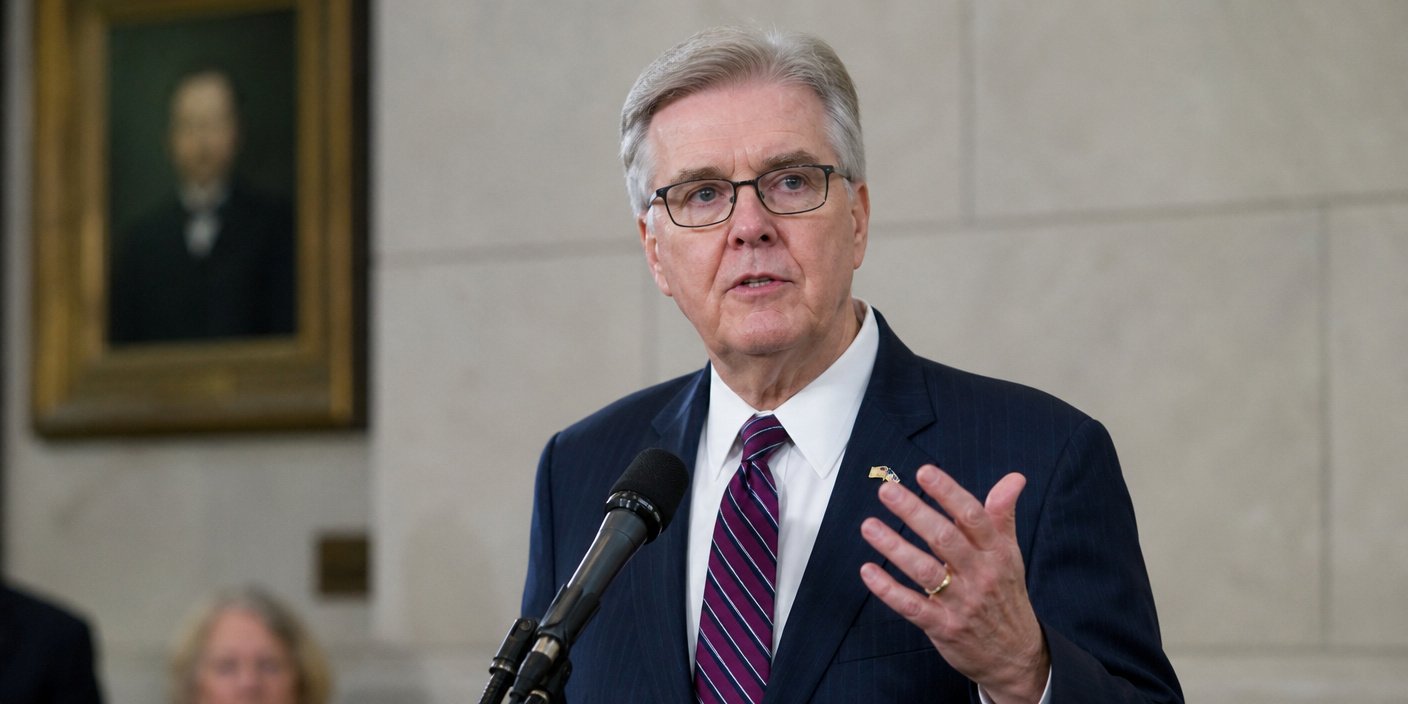
Congressman Al Green is convening a critical forum to address homeland security concerns surrounding the upcoming FIFA World Cup, bringing together key members of the Department of Homeland Security. This proactive measure aims to ensure robust preparedness for any potential security challenges associated with the global sporting event.
Key Highlights:
- Congressman Al Green is leading a forum on World Cup emergency preparedness.
- The event includes participation from Department of Homeland Security members.
- The focus is on proactive security planning for the global sporting event.
- The forum aims to identify and mitigate potential security risks.
World Cup Security: A Proactive Homeland Security Initiative
The Imperative for Preparedness
The upcoming FIFA World Cup presents a unique set of challenges for homeland security agencies worldwide. As a global event drawing massive crowds and international attention, it becomes a potential target for various security threats, ranging from logistical disruptions to more severe security incidents. Recognizing this, Congressman Al Green has taken the initiative to convene a high-level forum that brings together critical stakeholders from the Department of Homeland Security (DHS) to collaboratively strategize and enhance emergency preparedness measures. This forward-thinking approach underscores the importance of anticipating potential vulnerabilities and developing comprehensive plans to safeguard the event, its attendees, and the host nation.
Forum Objectives and DHS Engagement
The primary objective of the forum, spearheaded by Congressman Green, is to foster a cohesive and informed strategy for managing security during the World Cup. This involves detailed discussions on threat assessment, intelligence sharing, and the coordination of resources across different agencies. The participation of DHS members is crucial, as they bring extensive expertise in national security, border control, counter-terrorism, and emergency response. Their involvement ensures that the preparedness plans are grounded in current security landscapes and incorporate best practices for large-scale event management. The discussions are expected to cover a wide spectrum of potential scenarios, from cybersecurity threats targeting event infrastructure to on-the-ground security protocols for fan zones and transportation hubs.
Examining Potential Threats and Vulnerabilities
The nature of the FIFA World Cup, with its global appeal and concentrated influx of people, inherently creates specific security considerations. These include the potential for terrorist attacks, organized crime activities, mass casualty incidents, significant public health emergencies, and widespread civil unrest. Furthermore, the digital infrastructure supporting the event – ticketing systems, broadcasting networks, and communication platforms – are susceptible to cyberattacks that could cause widespread disruption. The forum will delve into these specific threats, analyzing historical precedents from similar large-scale international events and leveraging intelligence to identify emerging risks. Understanding these vulnerabilities is the first step in developing effective mitigation strategies and response mechanisms.
Developing Integrated Response Strategies
Beyond identifying threats, a significant focus of the forum will be on developing integrated and coordinated response strategies. This involves clarifying roles and responsibilities among federal, state, and local law enforcement agencies, as well as private security firms. Key areas of focus will likely include crowd management techniques, communication protocols for emergency situations, evacuation procedures, and medical response capabilities. The integration of advanced technologies, such as surveillance systems, data analytics for threat detection, and real-time communication platforms, will also be a critical component of the discussion. The goal is to ensure that all entities involved can operate seamlessly in the event of an emergency, minimizing response times and maximizing effectiveness.
The Role of International Cooperation
Given that the FIFA World Cup is an international event, security preparedness cannot be solely a domestic concern. The forum will likely touch upon the importance of international cooperation and intelligence sharing with security agencies of participating nations and the host country. Collaboration with international partners is essential for monitoring potential threats originating from abroad, managing the security of visiting dignitaries and teams, and ensuring a unified approach to border security. Sharing best practices and intelligence on known threats or vulnerabilities can significantly bolster the overall security posture for the event.
Ensuring a Secure and Enjoyable Spectacle
Ultimately, the discussions and planning efforts stemming from Congressman Green’s initiative are aimed at ensuring that the FIFA World Cup remains a safe and enjoyable spectacle for everyone involved. By proactively addressing potential security challenges and fostering strong inter-agency collaboration, the forum seeks to create a robust framework that can effectively manage risks and respond to any unforeseen circumstances. This commitment to preparedness is vital for maintaining the integrity of the event and upholding public trust in the security measures in place.
FAQ: People Also Ask
What are the primary security concerns for major international sporting events like the FIFA World Cup?
Major international sporting events like the FIFA World Cup face a wide array of security concerns. These include the risk of terrorist attacks, potential for crowd-related incidents such as stampedes or riots, organized crime activities, public health emergencies, and cybersecurity threats targeting event infrastructure and ticketing systems. The sheer volume of attendees and the global spotlight make these events attractive targets for those seeking to cause disruption or harm.
How does the Department of Homeland Security contribute to event security?
The Department of Homeland Security (DHS) plays a critical role in event security by providing expertise, resources, and coordination across various federal agencies. This includes intelligence gathering and analysis, border security, counter-terrorism measures, cybersecurity support, and emergency preparedness and response planning. DHS often works in conjunction with state and local law enforcement, as well as private security, to develop comprehensive security strategies tailored to the specific needs of large-scale events.
What is the significance of Congressman Al Green hosting such a forum?
Congressman Al Green hosting this forum signifies a proactive and bipartisan commitment to national security and public safety. By bringing together key stakeholders, including members of the Department of Homeland Security, he is facilitating essential dialogue and strategic planning to address potential security vulnerabilities associated with a high-profile global event. This initiative helps ensure that preparedness measures are robust and coordinated, reflecting a dedication to safeguarding citizens and maintaining the integrity of international events.
What measures are typically put in place to ensure crowd safety at the World Cup?
Crowd safety at the World Cup involves a multi-layered approach. This includes extensive security screening at entry points, the deployment of uniformed and plainclothes security personnel, sophisticated crowd management systems to control flow and prevent overcrowding, clear signage and communication channels for emergencies, designated safe zones, and robust medical support services. Cooperation with local law enforcement ensures rapid response to any incidents. Advanced surveillance technology is also increasingly utilized to monitor crowd behavior and identify potential issues.
How can international cooperation enhance security for the FIFA World Cup?
International cooperation is vital for FIFA World Cup security. It enables the sharing of intelligence on potential threats from foreign individuals or groups, facilitates coordinated border security measures to manage the influx of fans and potential troublemakers, and allows for the harmonization of security protocols across different nations. Joint training exercises and the exchange of best practices between security agencies of participating countries and the host nation can significantly strengthen the overall security framework and ensure a more unified response to any security challenges.