The Texas landscape, long defined by the rhythmic bobbing of pumpjacks, is facing a silent, modern-day crisis as thousands of low-producing oil wells linger for years, creating significant headaches for landowners. While the Permian Basin remains a powerhouse of global energy production, the reality on the ground for private property owners is far less lucrative. Abandoned and marginal wells—often referred to as ‘stripper wells’—are increasingly failing to generate profit, yet they remain tethered to the land through antiquated lease agreements, leaving owners with degraded soil, persistent environmental liabilities, and a daunting path toward remediation.
Key Highlights:
- Stripper wells, which produce very low volumes of oil, are frequently left inactive or abandoned by operators, creating ‘orphan well’ status.
- The Texas Railroad Commission (RRC) oversees the regulatory framework, but faces criticism regarding the pace of remediation and the funding mechanisms for plugging abandoned infrastructure.
- Landowners are often trapped by ‘Held By Production’ (HBP) clauses, preventing them from developing their land for other uses even when wells are non-productive.
- Environmental risks associated with these wells include methane leakage, groundwater contamination, and soil degradation, all of which fall disproportionately on the surface rights holder.
The Texas Oil Reckoning: Landowners, Liability, and the Abandoned Well Crisis
The symbiotic relationship between the Texas energy industry and the state’s landowners has shifted from a partnership of shared prosperity to a contentious struggle over accountability. For decades, the extraction of oil and gas was a reliable income stream for ranchers and farmers. Today, however, as the global energy market fluctuates and operators consolidate or declare bankruptcy, a significant portion of the Texas landscape is dotted with idle or dying infrastructure. These low-producing wells, which represent the twilight of an extraction cycle, are becoming the primary concern for rural landowners who find themselves holding the bag for environmental and structural upkeep.
The Economics of the ‘Stripper Well’
A ‘stripper well’ is defined as a well that produces less than 15 barrels of oil per day. Individually, these wells appear insignificant in the broader scope of the global energy market. Collectively, however, they represent a massive, sprawling network of infrastructure that is prone to neglect. When oil prices remain low, the operating costs of these marginal wells—including pumping, maintenance, and water disposal—often exceed the revenue generated.
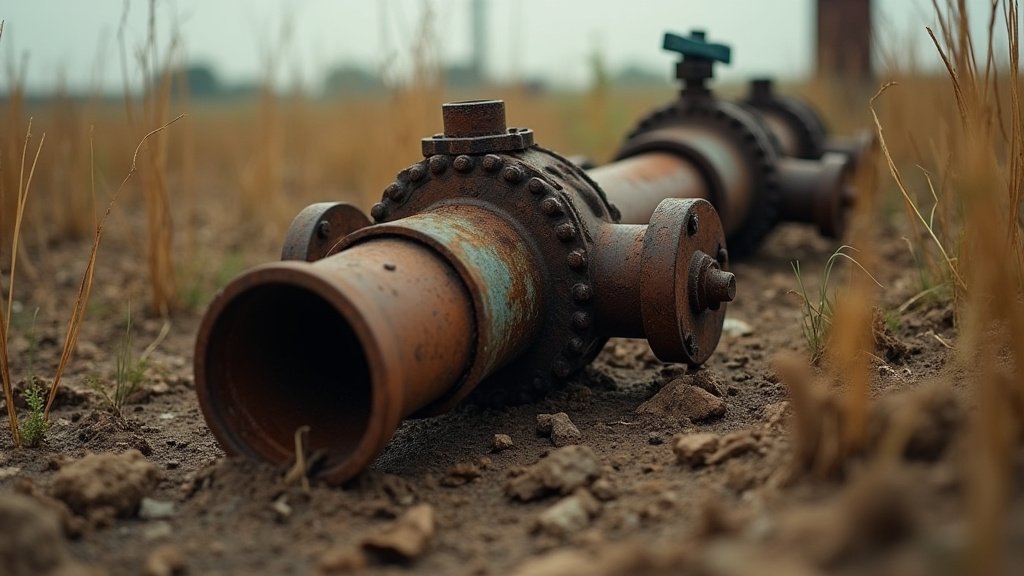
For the operator, the financial incentive is to simply walk away. When an operator goes insolvent without properly plugging a well, it becomes an ‘orphan.’ In Texas, the sheer volume of these wells has overwhelmed the state’s ability to plug them. The economic consequence is a slow-motion depreciation of rural property. Land that could be utilized for agriculture, housing, or renewable energy development remains encumbered by a rusting pumpjack that provides no economic return but incurs high liability.
The Regulatory Quagmire: The RRC and Oversight Gaps
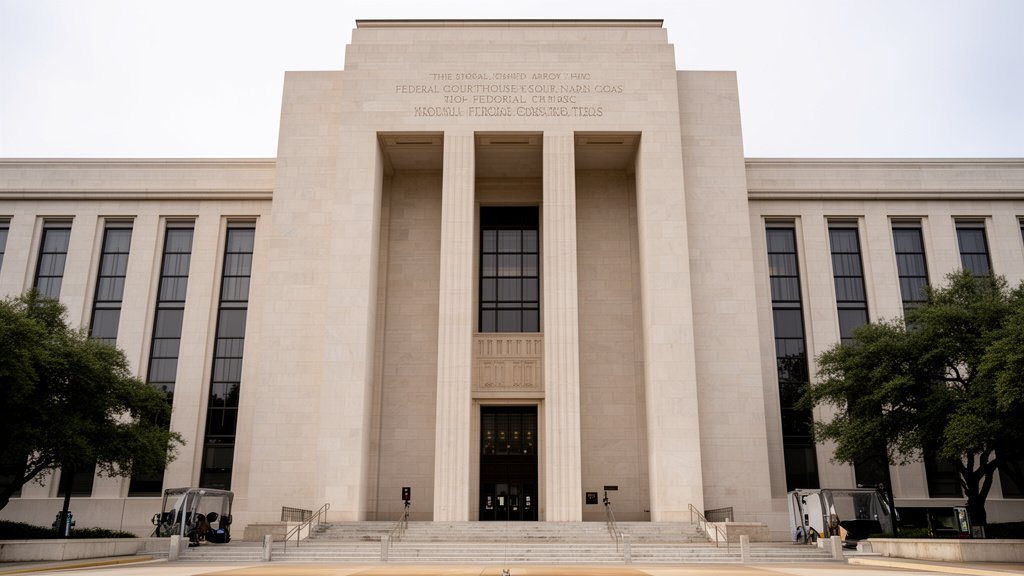
The Texas Railroad Commission (RRC) serves as the primary regulatory body for the oil and gas industry in the state. Historically, the RRC has been criticized for its close ties to the industry it regulates, a dynamic that has arguably contributed to the current backlog of orphan wells. While the commission has implemented various programs to encourage the plugging of inactive wells, the rate of abandonment continues to outpace the rate of remediation.
One of the central issues is the ‘financial assurance’ requirement. Operators are required to post bonds to ensure they have the funds to plug wells at the end of their lifecycle. However, critics argue these bond amounts are woefully inadequate, covering only a fraction of the actual cost to plug a well safely. When an operator collapses, the RRC is left to cover the difference using the state’s Oil and Gas Regulation and Cleanup Fund, which is perpetually strained. This creates a regulatory gap where landowners are caught in limbo, waiting years for state intervention that may never materialize.
Environmental Consequences and Soil Health
The environmental footprint of a stripper well extends well beyond the physical equipment. Inactive and poorly maintained wells are notorious sources of methane leaks, which are significant contributors to greenhouse gas emissions. Beyond the atmosphere, the subsurface risks are perhaps more acute. Casing failures in old wells can allow saline produced water to migrate into freshwater aquifers, contaminating the groundwater that rural Texans rely on for livestock and irrigation.
Furthermore, the physical presence of the well pad—often laden with heavy metals, hydrocarbons, and contaminated soil—prevents proper land reclamation. Even if the pumpjack is removed, the site itself remains a ‘brownfield.’ For landowners, this isn’t just an aesthetic nuisance; it is a financial barrier. Selling a parcel of land with known environmental liability is difficult, if not impossible, without expensive remediation that the landowner is rarely responsible for, yet often ends up bearing the cost of.
Navigating the Legal Labyrinth: The HBP Clause
The legal structure of oil and gas leases in Texas is heavily weighted toward the extraction industry. Many land leases contain ‘Held By Production’ (HBP) clauses, which state that as long as a well produces a ‘paying quantity’ of oil or gas, the lease remains in effect indefinitely. This clause is a double-edged sword. In the industry’s heyday, it ensured long-term royalties for landowners. In the era of the stripper well, it acts as a shackle.
Landowners seeking to reclaim their property for other uses frequently find themselves in court, attempting to prove that a well is no longer producing in ‘paying quantities.’ However, the definition of what constitutes a paying quantity is notoriously subjective and difficult to litigate against deep-pocketed energy firms. This creates a barrier to entry for farmers who want to switch to solar or wind energy—two sectors where Texas leads—but are prevented from doing so because the existing mineral lease dictates the land use.
The Future of Remediation and Land Stewardship
As the energy transition accelerates, the issue of abandoned wells is moving from a niche local grievance to a state-level policy priority. There is growing pressure to increase bonding requirements for operators, ensuring that the cost of cleanup is internalized by the companies rather than socialized onto the public and the landowner.
Additionally, there is a burgeoning industry in ‘well plugging services’ that is gaining legislative support. Innovative solutions, such as repurposing old well sites for geothermal energy or carbon sequestration, are being explored, though they are currently in their infancy. For the Texas landowner, the immediate future is one of vigilance. The era of ‘set it and forget it’ oil extraction is coming to a close, and the long-term stewardship of the land is becoming the new, difficult metric by which the success of the Texas energy sector will be judged.
FAQ: People Also Ask
1. Q: Why can’t the landowner just remove the old equipment?
A: In Texas, the mineral estate is dominant over the surface estate. The mineral owner has the right to use the surface to extract minerals, and the landowner generally cannot interfere with or remove the operator’s equipment without significant legal risk and contractual breaches.
2. Q: Who is responsible for paying to plug an abandoned oil well?
A: Ideally, the operator is responsible. If the operator is bankrupt or defunct, the responsibility falls to the Texas Railroad Commission, which uses state funds collected from industry fees to plug orphan wells. In many cases, the funding is insufficient to cover the backlog, leaving wells unplugged for years.
3. Q: Can an inactive well affect my property value?
A: Yes. The presence of an abandoned well site can significantly decrease property value due to the potential for environmental contamination, liability for future remediation, and restrictions on how the land can be utilized (e.g., preventing new construction or agricultural development).
4. Q: What is an ‘orphan well’?
A: An orphan well is a well that has been abandoned by its operator, usually due to bankruptcy, with no responsible party available to plug it or clean up the site. These wells are considered high-risk for environmental damage.