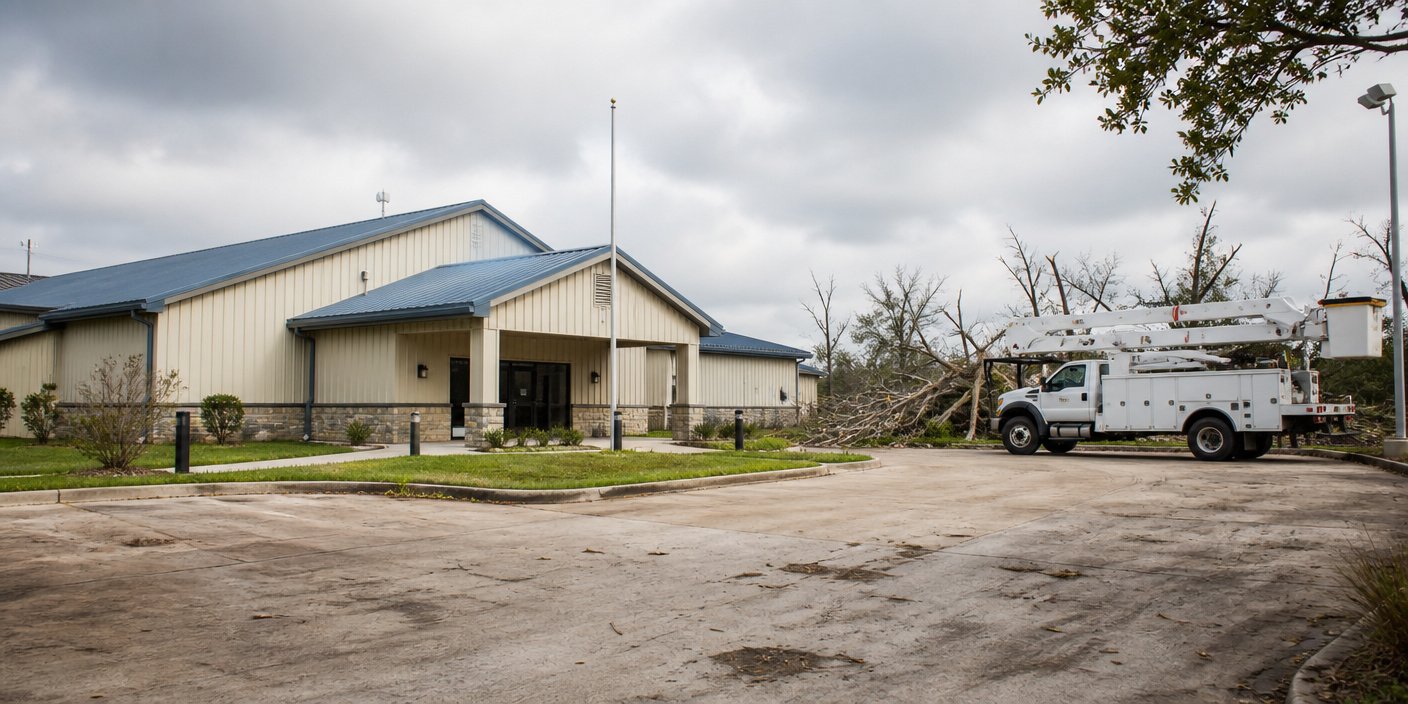

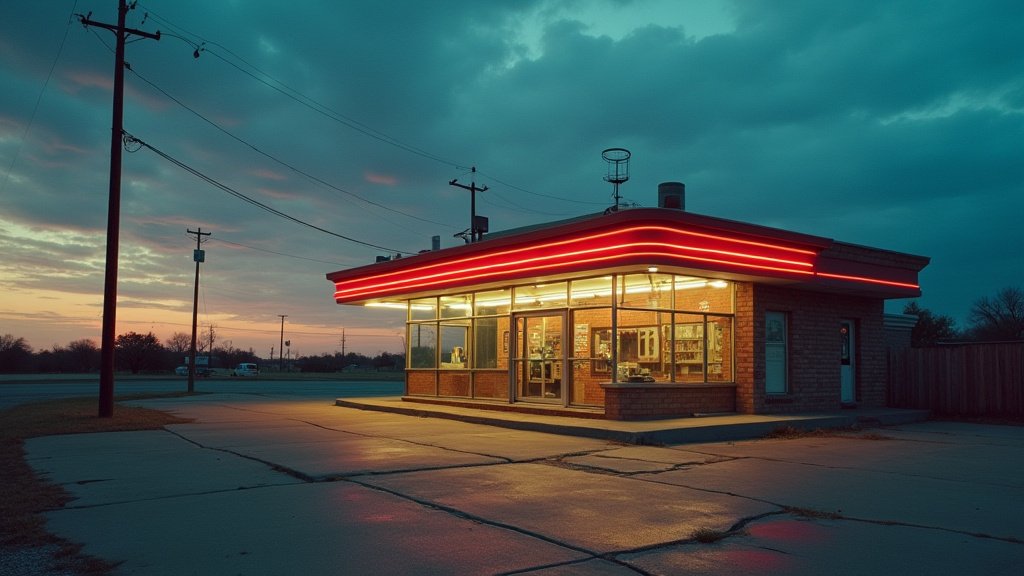
Buc-ee’s has confirmed it is closing its long-standing location in Port Lavaca, Texas, after more than 26 years in operation, a rare move that underscores the company’s aggressive pivot toward its signature massive travel center format. The site, known as Store No. 12, is expected to be rebranded as a 7-Eleven, complete with a Laredo Taco Company, signaling a strategic handover between two of the most recognizable names in the convenience retail landscape. While the closure of a store with over two decades of history may come as a surprise to locals, industry analysts view this as a surgical excision of legacy assets that no longer align with the company’s high-volume, mega-center business model.
Key Highlights
- Legacy Transition: The Port Lavaca location is one of the company’s original small-format stores, which lacks the scale of the brand’s modern, 50,000+ square-foot travel centers.
- Brand Strategy: The closure is not a sign of financial distress but rather a strategic consolidation; the company is concurrently aggressively expanding with new locations in Arizona, Arkansas, Kansas, Louisiana, and Ohio.
- 7-Eleven Takeover: The Port Lavaca site is slated to become a 7-Eleven, likely featuring a Laredo Taco Company, highlighting the ongoing competition and shifting footprint strategies within the Texas convenience store market.
- Rare Precedent: While highly unusual, this is not the first time Buc-ee’s has shuttered a smaller legacy location, with previous closures occurring in Lake Jackson, El Campo, West Columbia, and Gonzales.
The Strategic Pivot: Why Legacy Stores Are Closing
For decades, Buc-ee’s has been synonymous with the “everything is bigger in Texas” ethos, scaling from humble beginnings to a cultural institution. However, the closure of the Port Lavaca site serves as a concrete manifestation of the company’s evolution. To understand why this closure is happening, one must look at the economics of the modern Buc-ee’s.
The Economics of Scale
The modern Buc-ee’s travel center is not merely a gas station; it is a destination. These facilities—often featuring over 100 fuel pumps, expansive clean restrooms, massive car washes, and tens of thousands of square feet of retail space—require significant capital investment and high-traffic arterial locations to be profitable.
Legacy stores, such as the one in Port Lavaca, were built in a different era of the company’s history. They operate on a traditional convenience store footprint. While these stores were successful in the 1990s and early 2000s, they fail to leverage the brand’s current strength: the ability to act as a regional tourist attraction. By shedding these older, smaller assets, Buc-ee’s is freeing up capital and management focus to double down on their “mega-center” strategy, which prioritizes high-frequency, high-margin retail sales over simple fuel volume.
The Shift to Destination Retail
Retail analysts suggest that Buc-ee’s has successfully transcended the utility-based gas station model. Customers do not simply stop at a Buc-ee’s because they need gas; they plan their road trips around them. This level of customer loyalty is incredibly rare in the low-margin fuel industry.
When a store does not support the level of inventory (like their famous brisket, jerky, and homemade fudge) that drives these margins, it becomes an anchor on the brand’s efficiency. The Port Lavaca site, while beloved, essentially occupied a real estate footprint that could be better utilized by other operators—in this case, 7-Eleven—while Buc-ee’s pivots to locations that can support their expansive, high-tech operational standards.
The Competitive Landscape: 7-Eleven and Market Consolidation
The choice of 7-Eleven as the successor for the Port Lavaca property is highly telling of current trends in the retail sector. 7-Eleven remains a dominant force in high-density urban and smaller suburban footprints, focusing on rapid, transactional convenience.
The Laredo Taco Factor
The integration of a Laredo Taco Company at the former Buc-ee’s site highlights 7-Eleven’s own strategy to elevate its food service offerings. By acquiring established, high-visibility real estate in Texas, 7-Eleven is effectively upgrading its own store quality without the need for new-build construction, which has become increasingly expensive due to labor and material costs.
This transaction highlights a wider trend in the convenience industry: the “professionalization” of the corner store. As fuel demand faces long-term uncertainty due to the rise of electric vehicles, convenience chains are forced to compete on the quality of their food and the comfort of the store environment. Buc-ee’s has set the gold standard for this, and 7-Eleven is clearly aiming to capture that market segment at the site level.
Future Outlook: A Nationwide Beaver Takeover
While the news of a closure can create local anxiety, it should be viewed in the context of the company’s massive growth. The closure of the Port Lavaca store is effectively a non-event when compared to the rate at which Buc-ee’s is opening new, colossal travel centers.
Regional Expansion
Buc-ee’s is currently in the midst of one of the most aggressive expansion phases in its history. Plans are locked in for at least seven new states, including Arkansas, Kansas, Louisiana, North Carolina, Ohio, and Wisconsin. The company is no longer a Texas-exclusive entity; it is a national power player.
The Human Element
There is undoubtedly a nostalgic element to this story. For 26 years, the Port Lavaca Buc-ee’s served as a community fixture. However, the company’s decision to cut ties with this location indicates a cold, calculated commitment to growth. Businesses that refuse to optimize their physical footprint often end up stagnating. By proactively closing legacy sites, Buc-ee’s is ensuring that the “Buc-ee’s Experience” remains consistent across every location a customer visits—no matter which state they are in.
FAQ: People Also Ask
1. Is Buc-ee’s struggling financially, given they are closing a location?
No. The company is actually in a phase of aggressive growth. The closure is part of a deliberate strategy to divest from smaller, legacy formats and reinvest in large-scale travel centers that generate higher retail margins.
2. Will there be other Buc-ee’s closures in the future?
It is possible, though unlikely to be a widespread trend. Buc-ee’s has selectively closed small-format stores in the past (such as in Lake Jackson and El Campo) to align its real estate portfolio with its modern business model. Further closures would likely be limited to older stores that cannot be expanded or upgraded.
3. Why is 7-Eleven taking over the location?
7-Eleven often acquires properties that have strong traffic counts and existing infrastructure. Repurposing an existing high-visibility site allows them to install a new store with a Laredo Taco Company, aligning with their goal of expanding food service offerings in the Texas market.
4. Does this impact Buc-ee’s plans for expansion into other states?
Not at all. The company continues to move forward with new travel centers in states like Ohio, Wisconsin, and Arizona, as well as continued expansion within Texas.