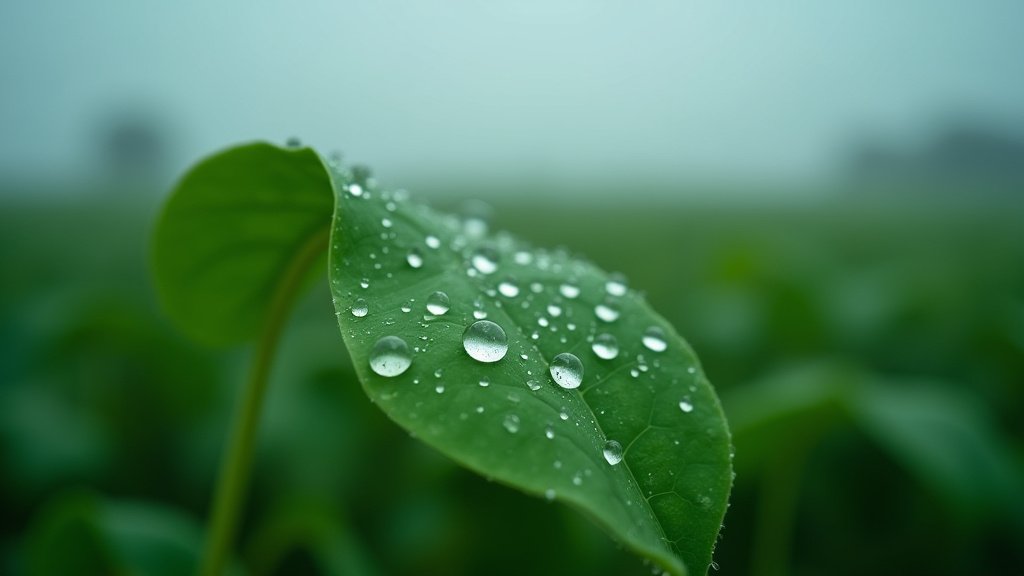
South Texas is currently under the influence of a potent cold front that arrived late this weekend, delivering a stark shift from the warm, spring-like conditions that dominated the earlier half of April. Residents across the region, from the Rio Grande Valley to the San Antonio metro area, are waking up to significantly cooler temperatures and intermittent rainfall. This meteorological shift is driven by a strong upper-level disturbance interacting with moisture pulled north from the Gulf of Mexico, creating a damp, grey, and blustery environment that is expected to persist through the early part of the coming week.
Meteorological Drivers of the Chill
The current weather pattern is a classic example of spring volatility in the Lone Star State. Meteorologists at the National Weather Service (NWS) have tracked this system as it pushed southward, noting that the combination of gusty northern winds and cloud cover has suppressed daytime highs, keeping them well below seasonal averages. In many parts of South Texas, temperatures have struggled to climb out of the low 60s, a notable decline from the mid-80s experienced just days prior. The presence of a persistent trough of low pressure in the upper atmosphere is effectively locking this cooler air mass over the region, preventing the typical rapid spring warmup and fostering the ongoing shower activity.
While this front is bringing cooler weather, it is also providing a crucial benefit: rain. South Texas has been grappling with varying degrees of drought conditions throughout early 2026, and while this rainfall is not a drought-buster, it offers necessary hydration for the landscape. The rain is expected to be steady but generally light, avoiding the severe flooding issues that plagued parts of the state during earlier spring events, though nuisance ponding on roadways remains a risk during periods of heavier downpours.
Regional Impact: Events and Daily Life
The timing of this cool snap has disrupted outdoor plans for many, particularly in San Antonio, where the community is observing various seasonal traditions, including the Texas Cavaliers River Parade. For those participating in or attending outdoor events, the damp conditions serve as a reminder of the unpredictability of Texas spring weather. Organizers and attendees alike are being advised to dress in layers, as the combination of high humidity and cool air can make the outdoor experience feel chillier than the thermometer might suggest.
Beyond leisure, this weather pattern carries implications for local agriculture. The Rio Grande Valley, a critical hub for produce, has seen a season of temperature fluctuations that can stress sensitive crops. However, the cooler temperatures are largely welcomed by some growers as they help to mitigate heat stress, provided the rain does not reach levels that impede field work. Water levels in regional reservoirs, which have been a point of concern due to long-term drought, may see slight, incremental improvements from this event, though regional water authorities maintain that conservation efforts remain essential as the transition toward summer approaches.
Looking Ahead: The Warming Trend
For those eager for the return of Texas heat, the forecast suggests that patience will be rewarded. Models indicate that the upper-level trough will begin to lift and move out of the region by the middle of the work week. As this system exits to the east, the flow from the Gulf of Mexico will re-establish itself, ushering in warmer, more typical April temperatures.
Starting Wednesday, high temperatures are expected to rebound significantly, with the region likely returning to the 80s by the latter half of the week. While the rain chances will diminish, meteorologists are watching for any signs of lingering moisture that could trigger isolated, pop-up showers as the atmosphere destabilizes with the returning heat. For now, the focus remains on the current damp conditions and the need for cautious driving on rain-slicked roads. Residents are encouraged to monitor local NWS updates and follow trusted local news outlets for real-time radar changes, especially during the early-week commute when showers are most likely to linger.
FAQ: People Also Ask
How long will the cool, rainy weather last in South Texas?
The bulk of the cooler, rainy weather is expected to impact the region through the end of the weekend and into Monday. A warming trend is projected to begin mid-week, with temperatures climbing back toward the 80s by Wednesday and Thursday.
Is this rain enough to end the current drought conditions?
While the precipitation is beneficial and helps alleviate immediate dryness, it is not sufficient to end the long-term drought conditions seen across parts of South Texas. The region remains in a sensitive hydrological state, and consistent, long-term rainfall patterns are needed to significantly replenish reservoirs.
Should I be worried about severe weather?
At this time, widespread severe weather is not anticipated. The current system is characterized by steady, light-to-moderate rain rather than the violent convective storms associated with severe weather outbreaks. However, as with any weather shift, it is wise to stay informed via local radar in case individual cells become stronger than modeled.
Will this affect the Texas Cavaliers River Parade?
Yes, the cool and damp conditions may impact parade festivities. Attendees are encouraged to dress for cool, potentially wet weather and keep an eye on official event announcements regarding any schedule adjustments due to the rain.