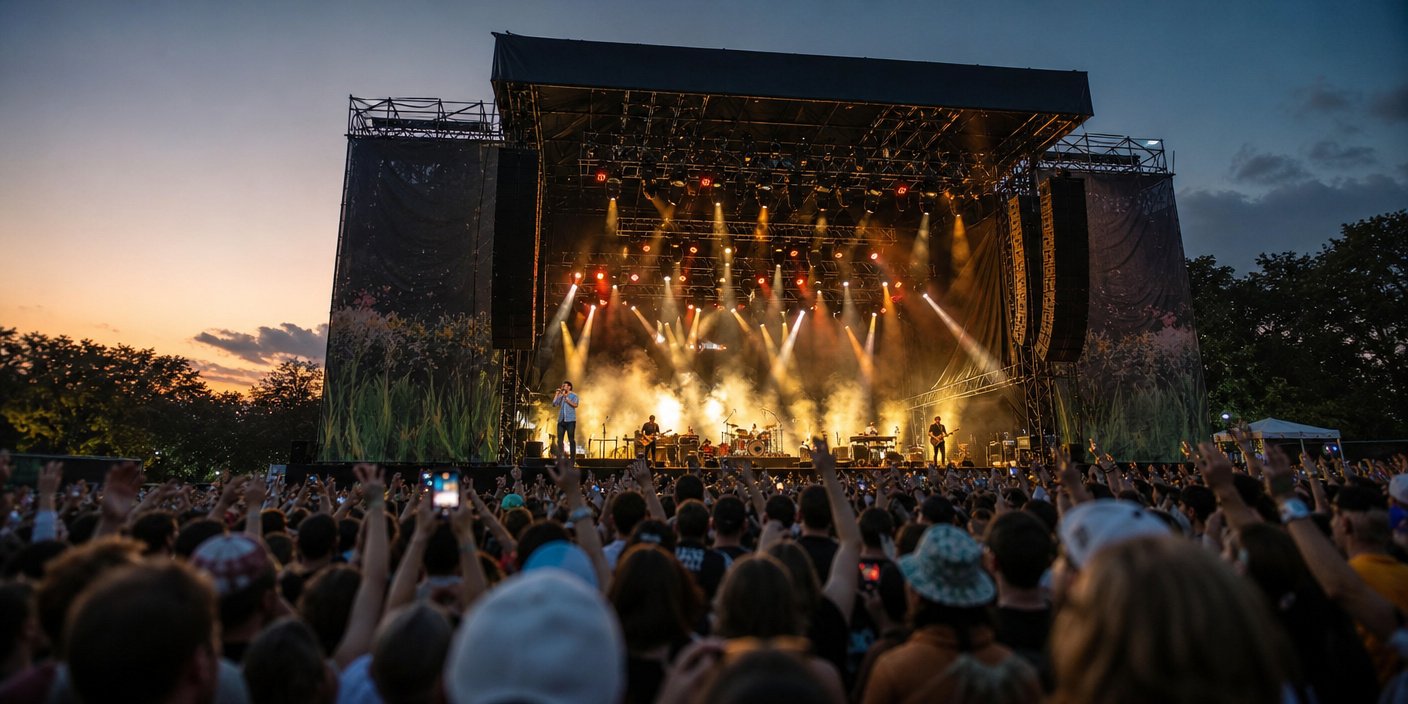
On April 20, 2026, the city of Houston witnessed a distinct convergence of music, art, and communal celebration as the “Party After The War” concert took over the Museum of Cultural Arts (MOCA) in the historic Fourth Ward. As the national 4/20 calendar continues to evolve from niche gatherings into structured, major-market entertainment productions, this specific event has been widely observed by industry analysts as a bellwether for the shifting dynamics of Houston’s independent music sector.
Organized by Redbird Music Group, the concert moved beyond a simple performance showcase, positioning itself as a central hub for the city’s hip-hop and arts-adjacent audiences. The event, held at the Almeda Road venue, effectively leveraged the unique atmosphere of MOCA to create an immersive experience that mirrored the broader maturation of the Houston concert circuit.
The Rise of Niche-Market Festivals
In recent years, the landscape of live entertainment in major Southern hubs like Houston has undergone a structural transformation. The “Party After The War” event serves as a microcosm of this shift. Where previous decades relied on massive stadium tours or loosely organized public gatherings, 2026 data shows a marked preference for venue-specific, high-production-value events that emphasize local identity and community integration.
The choice of MOCA (Museum of Cultural Arts) as the venue is particularly significant. Rather than opting for the traditional concert hall experience, the organizers utilized a space synonymous with the preservation of cultural narratives. This alignment between the venue’s artistic roots and the modern, energetic output of the concert series provided a distinct competitive advantage. By blending high-fidelity audio production with the venue’s inherent artistic backdrop, attendees experienced a performance that felt deeply rooted in the city’s ongoing cultural dialogue.
Production Value Meets Urban Authenticity
One of the defining characteristics of this year’s 4/20 programming in Houston has been the elevation of production standards. For “Party After The War,” the Redbird Music Group investment was visible not just in the artist lineup, but in the ambient design and guest logistics. Industry observers have noted that events that struggle to differentiate themselves in the crowded festival market are often those that fail to prioritize the ‘experience economy’—the combination of high-quality sound engineering, efficient crowd management, and integrated amenities like curated food service.
The concert’s inclusion of local food vendors and, notably, a carefully managed VIP experience, indicates a strategic push toward professionalizing what was historically considered a more informal subculture event. By bridging the gap between underground credibility and professional festival-grade logistics, the event set a precedent for future urban concert promoters in the Texas market.
The Fourth Ward’s Cultural Renaissance
The selection of the Fourth Ward, an area undergoing significant socioeconomic and cultural redevelopment, for such a high-profile event is not incidental. The district, historically known as Freedman’s Town, has become a focal point for debates regarding urban gentrification and the preservation of Black history in Houston. Hosting a major cultural event like ‘Party After The War’ at a venue like MOCA underscores the ongoing tension—and synthesis—between the area’s storied past and its vibrant, modern present.
For residents and attendees, the event was more than a performance; it was an activation of local space. It highlights a recurring trend where music events act as catalysts for foot traffic and commerce in historic districts, bringing new demographics into neighborhoods that are balancing the scales of development and historical integrity.
Looking Ahead: The 2026 Concert Landscape
As the industry looks past the April 20 milestone, analysts predict that the success of events like this will continue to influence booking strategies throughout the summer. The willingness of audiences to pay premium ticket prices for niche, location-specific concert experiences suggests that the demand for authenticity and curated curation is at an all-time high.
Furthermore, the collaboration between Redbird Music Group and MOCA serves as a blueprint for local event organizers. It demonstrates that mid-sized venues with strong brand identities can effectively compete with larger entertainment conglomerates by offering a more personalized, impactful attendee experience. For Houston, a city that prides itself on a music scene that is as eclectic as it is influential, this 4/20 event marks not just a one-night celebration, but a step forward in how local, independent art is packaged and presented to a growing, discerning audience.
FAQ: People Also Ask
Who organized the ‘Party After The War’ concert?
The event was produced by Redbird Music Group, an independent collective known for organizing curated music and arts events within the Houston metropolitan area.
Why was the MOCA venue chosen for this event?
The Museum of Cultural Arts (MOCA) was selected to provide an artistic, atmospheric backdrop that differentiates the concert from standard club or stadium venues, aligning with the event’s focus on community and creative expression.
What demographic does this event target?
While open to a broad audience, the event is tailored toward adults (21+) interested in the nexus of hip-hop culture, local arts, and urban nightlife, prioritizing an audience that values intimate, high-production concert experiences.
How does this event impact the local Houston concert scene?
It represents a shift toward more professionalized, venue-specific event curation, demonstrating how independent organizers can successfully compete with larger festival formats by focusing on high-quality production and strong local cultural integration.