

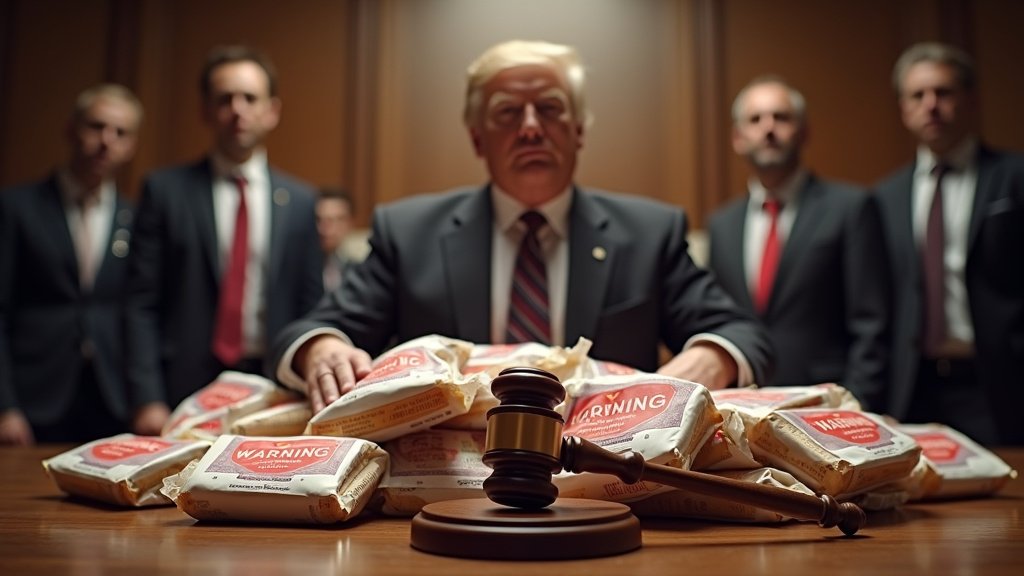
A sweeping new Texas law is igniting a major clash. The Texas Ingredient Law, specifically Senate Bill 25 (SB 25), targets certain food ingredients. It requires warning labels on products sold in Texas. This has triggered a significant lawsuit, raising concerns about the broader implications of this Texas Ingredient Law for the food industry. Leading food and beverage trade groups are challenging the law. They argue the required labels are misleading and unconstitutional, directly impacting the effectiveness of the Texas Ingredient Law. The outcome could reshape food regulation nationwide. This ongoing food fight, centered on the Texas Ingredient Law, is trending in the news.
The Texas Warning Label Mandate Under the Texas Ingredient Law
Texas Governor Greg Abbott signed SB 25 into law on June 22, 2025. The bill focuses on health and nutrition standards. A key provision impacts food manufacturers under the purview of the Texas Ingredient Law. It mandates warning labels on products containing 44 specific ingredients. These include certain artificial dyes, preservatives, and bleached flour. Examples of targeted ingredients are Red 40, Yellow 5, BHA, and BHT. The law aims to promote healthier choices and embodies a new form of ingredient regulation in Texas. It aligns with the “Make America Healthy Again” movement. Senator Lois Kolkhorst authored the bill. She stated it responds to constituents concerned about their health regarding the provisions of the Texas Ingredient Law.
Specific Labeling Requirements of the Texas Ingredient Law
The Texas Ingredient Law requires a stark warning statement. It must appear on products with any of the 44 listed ingredients. The required text reads: “WARNING: This product contains an ingredient that is not recommended for human consumption by the appropriate authority in Australia, Canada, the European Union, or the United Kingdom.” Manufacturers must ensure the label is prominent, a crucial aspect of this food labeling law. It needs to be easily visible. The font size must be comparable to other required information. This new labeling requirement takes effect for products developed or copyrighted on or after January 1, 2027. The law does not apply to restaurants or retail food establishments, presenting a unique challenge for manufacturers subject to the Texas Ingredient Law.
Industry Groups File Federal Lawsuit Challenging the Texas Ingredient Law
A coalition of influential food industry groups has taken legal action against the Texas Ingredient Law. The American Beverage Association, the Consumer Brands Association, the National Confectioners Association, and FMI – The Food Industry Association filed suit. They represent major food companies. These include Kraft Heinz and Coca-Cola. The groups are suing Texas in federal court, specifically targeting SB 25. They seek to block the enforcement of the SB 25 warning label provision, a key component of the Texas Ingredient Law. Industry leaders argue the law is unconstitutional and constitutes a significant food industry lawsuit. They also claim it conflicts with federal standards, creating an FDA regulation conflict.
Core Arguments Against the Texas Ingredient Law
The lawsuit presents several key arguments against the Texas Ingredient Law. First, plaintiffs contend the warning labels are false and misleading. They assert that foreign authorities in Australia, Canada, the EU, and the UK have not universally declared these ingredients “not recommended for human consumption.” In fact, many ingredients are approved or used in those regions. Therefore, forcing companies to post such warnings violates their First Amendment rights, a critical aspect of this constitutional food law. They argue it compels businesses to speak and convey inaccurate messages, a point hotly debated in the federal court challenge.
Second, the law allegedly preempts federal law. Critics claim it undermines the FDA’s uniform regulatory system for food labeling. The Nutrition Labeling and Education Act aims for national standards. This Texas Ingredient Law creates a conflicting, state-specific requirement. It could lead to a fractured regulatory environment, highlighting a potential FDA regulation conflict.
Third, the plaintiffs argue the law is vague. Businesses may struggle to understand exactly when the warning applies under the Texas Ingredient Law. This uncertainty creates legal risk. Finally, some argue it violates the Commerce Clause. It could force nationwide product changes, impacting the broader food industry lawsuit landscape.
Industry Concerns and Potential Impacts of the Texas Ingredient Law
The food industry expressed concerns even before the lawsuit against the Texas Ingredient Law. A coalition of about 60 groups warned the bill could destabilize economies. They cited the challenges of keeping prices down and maintaining inventory. Companies fear increased costs for manufacturers and consumers. Consumer confusion is also a major worry. Some manufacturers might reformulate products nationwide. Others may simply remove affected items from Texas shelves. The law could also influence national ingredient regulation trends, impacting the effectiveness of any future warning label mandate.
The Legal Battle Ahead for the Texas Ingredient Law
Supporters of SB 25 highlight health benefits, emphasizing its role as a consumer protection law. They believe in greater transparency for consumers regarding the Texas Ingredient Law. However, the food industry emphasizes that ingredients used in the U.S. are rigorously studied and generally deemed safe. They question ceding authority to foreign regulators, a key point in the federal court challenge. The legal battle over SB 25, a significant food labeling law, is just beginning. This significant food news will likely impact how food and beverage companies operate. It also raises questions about the balance of state versus federal regulatory power, particularly in relation to the FDA regulation conflict. The outcome will be closely watched by many in the food industry and by consumers nationwide, especially concerning the broader implications of this Texas Ingredient Law.