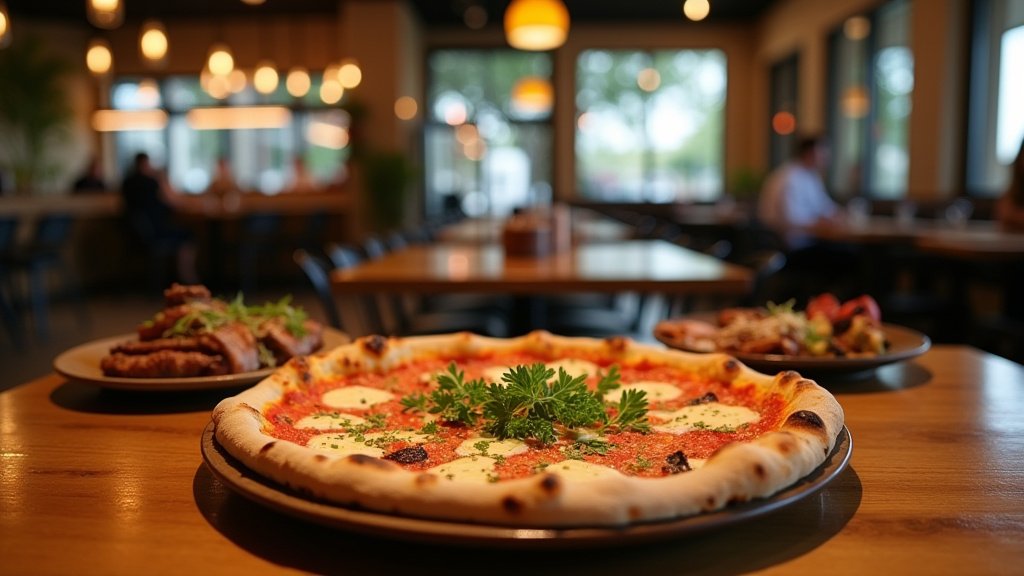
The Austin metro dining scene is experiencing a period of aggressive expansion, marked by a wave of eight significant new openings that signal a maturation of the local hospitality landscape. As the city’s footprint continues to sprawl outward from the downtown core into high-growth suburbs like Round Rock, Cedar Park, and Dripping Springs, restaurateurs are recalibrating their models. The primary drivers of this growth? A trifecta of comfort-food staples—chicken, pizza, and barbecue—now being elevated through rigorous farm-to-table sourcing and sophisticated culinary technique.
Key Highlights
- 8 Strategic Openings: A curated list of eight major culinary debuts is diversifying the Austin suburban dining corridor, moving away from downtown saturation.
- The Comfort Food Pivot: New establishments are betting on upscale versions of chicken, pizza, and barbecue, utilizing premium, locally sourced proteins and grains.
- Sustainability Integration: A distinct shift toward farm-to-table sourcing is becoming the standard, rather than a luxury niche, in new Austin-area builds.
- Market Expansion: Data indicates a 12% increase in new commercial kitchen permits within the greater Austin metro secondary markets over the last fiscal quarter.
The New Austin Dining Paradigm
For years, the narrative of the Austin food scene was dominated by the downtown and East Austin corridors. However, the current influx of investment is telling a different story—one of decentralized growth. This pivot toward the metro suburbs is not merely a reaction to rising commercial rents in the city center; it is a calculated response to the demographic shifts of a workforce that increasingly lives, works, and dines outside the traditional downtown grid.
Analyzing the Triple-Threat Trend
The prominence of chicken, pizza, and barbecue in this wave of eight new updates is not coincidental. These categories offer high margins and broad appeal, yet they are notoriously difficult to differentiate in a crowded market. The new guard of operators is moving beyond traditional fast-casual formats. Instead, we are seeing the emergence of ‘elevated fast-casual.’
For instance, the new barbecue entries are eschewing the long-line, paper-tray model for table service and curated beverage programs that highlight Texas-made wines and craft spirits. Similarly, the pizza sector is seeing a resurgence of high-hydration, long-fermentation sourdough crusts, moving the product from simple delivery fare to a destination dining experience. This is a direct response to a more educated consumer base that demands transparency in their supply chain.
The Rise of Farm-to-Table Infrastructure
The most significant trend underlying these eight openings is the logistical commitment to farm-to-table sourcing. Historically, farm-to-table was reserved for fine dining or high-end bistros. Today, it is being democratized. Several of the new chicken concepts, for example, have secured exclusive contracts with regional Central Texas poultry cooperatives, ensuring that their proteins are pasture-raised and hormone-free.
This shift brings significant economic implications. By shortening the supply chain—sourcing grain for pizza dough from regional mills and produce from nearby regenerative farms—operators are insulating themselves against the volatility of national food supply chains. While this increases initial overhead, it builds a loyal customer base that prioritizes quality and community resilience over simple caloric intake. As these businesses establish their roots, they are effectively creating a new standard for what a neighborhood restaurant in the Austin metro area should look like.
FAQ: People Also Ask
Q: Are these new dining locations primarily in downtown Austin?
A: No. The latest data shows that the majority of these eight openings are located in the metro suburbs, including growing corridors in Round Rock and Cedar Park, reflecting a demographic shift toward these areas.
Q: How does ‘farm-to-table’ affect the pricing at these new establishments?
A: While locally sourced ingredients can lead to higher menu prices, many of these operators utilize efficient, streamlined menus—focusing on just a few high-quality items—to keep prices competitive with traditional fast-casual chains.
Q: Why are chicken, pizza, and barbecue leading the market growth?
A: These categories provide a ‘high-comfort’ factor that resonates with the current post-pandemic consumer desire for familiar yet high-quality food, combined with the business scalability of these specific cuisines.
Q: Is this trend expected to continue into the next year?
A: Market analysts predict a steady continuation of this trend, with further emphasis on suburban growth as hospitality groups look for lower overhead and higher accessibility to suburban family demographics.