

The deployment of Texas National Guard troops to Chicago, ordered by President Trump and authorized by Texas Governor Greg Abbott, has ignited a significant legal and political firestorm, pitting state and federal authorities against each other and drawing sharp criticism from various lawmakers. The controversial move, ostensibly to protect federal immigration agents from protestors, has been challenged as an abuse of power and an overreach of constitutional authority.
Core of the Controversy: Legal Authority and Justification
At the heart of the dispute is the legal basis for federalizing and deploying state National Guard units across state lines, particularly when the receiving state’s governor objects. The Trump administration invoked Title 10 of the U.S. Code, which allows the president to federalize National Guard troops in specific circumstances, such as invasion, rebellion, or when the federal government cannot enforce its laws with regular forces. The administration argued that protests at Immigration and Customs Enforcement (ICE) facilities in the Chicago area constituted a threat to federal personnel and property, necessitating the deployment.
However, a federal judge, U.S. District Judge April Perry, temporarily blocked the deployment for two weeks, stating she saw “no credible evidence that there is a danger of a rebellion in the state of Illinois”. Judge Perry also expressed concern that the move violated the 10th and 14th Amendments and noted a “lack of credibility” in the federal government’s declarations regarding the need for troops. The judge found that the federal government’s claims about the situation in Chicago were unreliable and that protests had not impeded federal law enforcement.
The administration quickly appealed this decision, underscoring the high stakes of the legal battle. A federal appeals court later ruled that the National Guard troops could remain in Illinois under federal control but could not be actively deployed for patrol or protection duties for the time being, effectively upholding the temporary block on their operational use.
Key Figures and Political Reactions
Texas Lawmakers Divided
Within Texas, the deployment has exposed partisan divides. State Senator Joan Huffman (R-Houston) expressed support for Governor Abbott’s decision, citing his authority to assist at a national level. Conversely, State Senator Nathan Johnson (D-Dallas) vehemently criticized the move as an “abuse of his authority,” arguing that Abbott exceeded his statutory powers and should have resisted President Trump’s order. Johnson contended that the National Guard should only be deployed in cases of emergencies or insurrections, which he argued were not present.
Governors and State Leaders Speak Out
Illinois Governor J.B. Pritzker led the charge against the deployment, calling it an “unconstitutional invasion” and “Trump’s Invasion”. Pritzker stated that he was not consulted by the federal government and accused Trump of using troops as “political props”. Chicago Mayor Brandon Johnson echoed these sentiments, arguing that the military presence was unnecessary and could escalate tensions.
Notably, Oklahoma Governor Kevin Stitt, a Republican and chairman of the National Governors Association, publicly criticized the deployment. Stitt expressed his opposition to sending National Guard troops across state lines without the receiving state’s consent, emphasizing his belief in federalism and “states’ rights”. He suggested that President Trump should have instead federalized Illinois’s own National Guard, a move that had been offered as an alternative.
Texas Democratic lawmakers also voiced strong opposition, with ten U.S. Representatives from Texas calling the deployment unlawful and a potential erosion of the Guard’s core mission.
Governor Abbott’s Stance
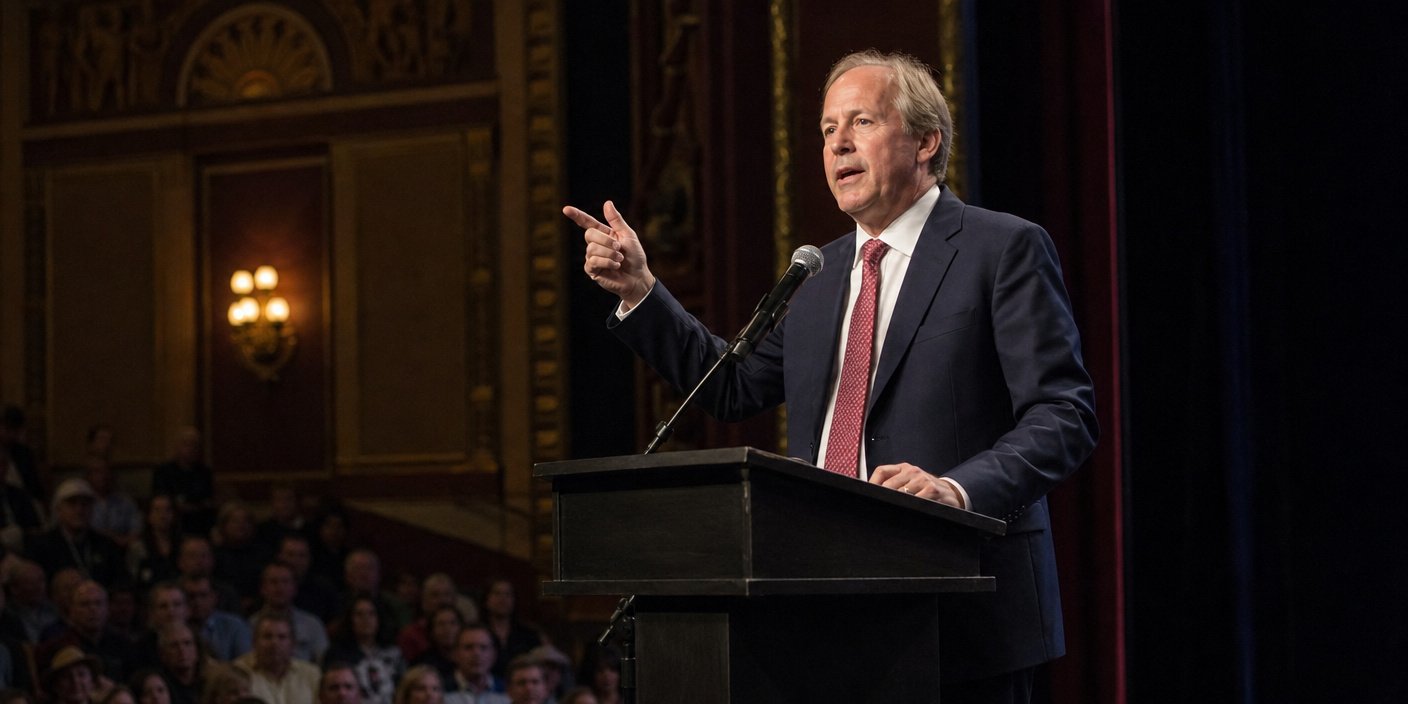
Governor Greg Abbott maintained that he “fully authorized” the deployment, stating that the Texas National Guard was “putting America first by ensuring that the federal government can safely enforce federal law”. Abbott stated on social media that his troops were being deployed to “safeguard” U.S. Immigration and Customs Enforcement officers amidst protests and sporadic violence. He suggested that if Illinois could not provide protection, Texas would.
Background and Context
The deployment occurred amidst increased enforcement activities by ICE in Chicago since the previous summer. The Trump administration had characterized Chicago as a “hellhole” of crime, although statistics at the time showed a significant recent drop in crime. Protests and clashes with federal agents, particularly outside an ICE facility in Broadview, a Chicago suburb, served as the stated justification for the troop movement.
This action followed similar controversial deployments of National Guard troops to other cities, including Portland, Oregon, which also faced legal challenges. The use of the National Guard for domestic law enforcement, even in a protective capacity, has raised concerns about the militarization of cities and potential overreach of presidential authority, particularly in light of the Posse Comitatus Act which generally prohibits the use of the military for civilian policing.
Implications and Future Outlook
The deployment of the Texas National Guard to Chicago represents a significant clash over federalism, states’ rights, and the limits of executive power. The legal battles are ongoing, with the potential for further appeals and rulings that could set precedents for future National Guard deployments.
The controversy highlights the deep political divisions surrounding federal authority, immigration policy, and law enforcement, making this a top news story with implications for state-federal relations and civil liberties. The situation remains dynamic, with the ultimate outcome of the legal challenges and the operational status of the troops yet to be fully determined.