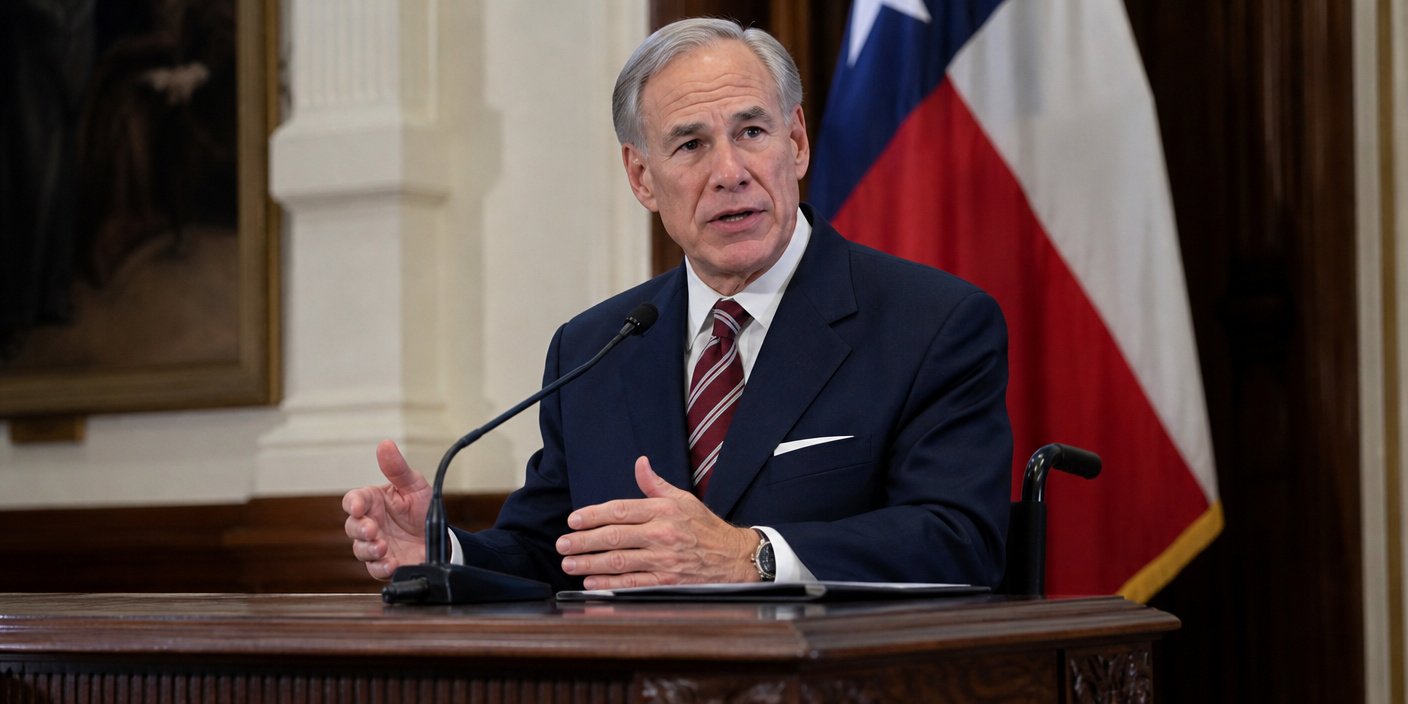
Governor Greg Abbott has issued a formal directive to the Texas Department of Insurance (TDI), demanding an immediate and comprehensive investigation into the state’s property and casualty insurance sector. The intervention comes as Texas homeowners face an unprecedented financial burden, with insurance premiums having skyrocketed by 79% since 2020. This directive marks a significant pivot in state policy, shifting the focus from passive market observation to proactive regulatory oversight of insurer rating and underwriting practices, effectively putting the industry on notice.
Key Highlights
- Unprecedented Cost Surge: Since 2020, average annual homeowners’ insurance premiums in Texas have climbed from under $2,000 to over $3,500, representing a staggering 79% increase.
- The Regulatory Directive: Governor Abbott has explicitly mandated that the Texas Department of Insurance (TDI) prioritize a review of insurer underwriting and rating methodologies.
- Shift in Oversight: The directive signals a move toward stricter regulatory scrutiny, aiming to hold insurance carriers accountable for the rapid escalation of costs passed on to consumers.
- Market Instability: The investigation targets whether current industry practices are justified or if underwriting standards are being overly aggressive, contributing to market volatility.
The Texas Insurance Market: A Regulatory Pivot
For years, the Texas homeowners’ insurance market has been defined by a ‘hard market’ cycle—a period characterized by restricted coverage availability and escalating costs. However, the recent 79% spike in premiums has moved beyond standard cyclical adjustments, prompting Governor Greg Abbott to step in with a direct mandate to the Texas Department of Insurance. This intervention is not merely a request for data; it is an aggressive call for oversight into how insurers calculate risk and, subsequently, determine the price of policies for millions of Texans.
Deconstructing the 79% Surge
The math behind the current crisis is stark. In 2020, the average Texas homeowner paid less than $2,000 annually for property insurance. Today, that figure frequently eclipses the $3,500 mark. While insurers often cite inflationary pressures and the rising cost of construction materials, this alone does not account for the sheer velocity of the price increases. The TDI is now tasked with determining the extent to which ‘rating practices’—the methods used to set premium prices—are based on actual actuarial data versus opportunistic risk-loading. By investigating underwriting standards, the state intends to ensure that insurance companies are not unfairly penalizing policyholders or exploiting market turbulence to inflate their profit margins.
Understanding the TDI’s Regulatory Mechanism
The Texas Department of Insurance acts as the gatekeeper for consumer protection in the state. Under the Governor’s new directive, the agency is expected to utilize its statutory authority to audit the formulas carriers use to justify rate hikes. This process involves examining ‘loss adjustment expenses,’ the cost of reinsurance, and the projected risk models that insurers use to predict future catastrophes. If the TDI finds that these models are disproportionately aggressive or lacks transparency, it holds the power to deny rate increases or enforce modifications to underwriting guidelines. This creates a friction point between the state’s desire to keep housing affordable and the insurance industry’s need to maintain solvency in a state prone to frequent and expensive climate-related disasters.
The Impact of Underwriting and Risk Assessment
At the heart of the matter are ‘underwriting practices.’ Underwriting is the process by which insurers assess the risk of a potential policyholder and decide whether to offer coverage, and at what price. Recently, critics and regulators have argued that some insurers are applying unnecessarily stringent underwriting standards that exclude viable properties or price out middle-class families. By directing the TDI to focus on these practices, Abbott is challenging the industry to prove that its risk assessment models are accurate and equitable. The mandate suggests that the state government is dissatisfied with the current industry explanation that ‘risk’ is the sole driver of the 79% price surge.
Secondary Angle: The Climate-Inflation Loop
One of the most significant complexities facing the TDI is the intersection of climate change and economic inflation. Texas has experienced a high frequency of severe convective storms, hail events, and freezes over the past four years. These events naturally drive up reinsurance costs—the insurance that insurance companies buy to protect themselves against catastrophic losses. However, the secondary angle to consider is whether insurers are ‘over-hedging’—collecting excessive premiums today to build capital reserves against potential future events that may never materialize at the scale predicted. The TDI’s investigation will likely attempt to parse out the difference between necessary actuarial caution and excessive premium padding.
Secondary Angle: Economic Impact on Housing Affordability
Beyond the insurance ledger, this directive has profound implications for the Texas real estate market. Property insurance is a mandatory component of mortgage escrow accounts. As premiums jump by nearly 80%, the monthly payment for the average Texas homeowner rises significantly. This reduces the purchasing power of prospective buyers and places an immense strain on existing homeowners. If the TDI’s intervention succeeds in stabilizing these costs, it could indirectly serve as a major stimulus for the housing market, potentially curbing the ‘lock-in effect’ where current homeowners are unable to move due to the projected cost of insuring a new property.
Secondary Angle: The Future of Legislative Reform
While the current action is an executive directive, it lays the groundwork for potential future legislative reform. If the TDI investigation reveals systemic failures or lack of transparency, the Texas Legislature may find itself empowered to draft stricter consumer protection laws during the next session. This could include new caps on rate increases, mandates for increased transparency in actuarial modeling, or even the creation of a ‘state-backed’ insurer of last resort to compete with private entities—a move that would be highly controversial but is increasingly being discussed in states facing similar insurance crises.
FAQ: People Also Ask
1. What power does the Texas Department of Insurance have to lower my rates?
Technically, the TDI does not set rates, but it regulates them. It has the authority to disapprove of rate filings if they are found to be ‘inadequate, excessive, or unfairly discriminatory.’ The Governor’s directive empowers the TDI to be more aggressive in using this disapproval power.
2. Is this directive going to cause insurance companies to leave Texas?
That is the primary risk. The industry argues that if they cannot charge premiums that match their perceived risk, they will reduce their exposure or exit the market entirely. The TDI must balance this directive with the need to keep the market functional and attractive to carriers.
3. How long will it take for this directive to affect my monthly premiums?
Regulatory processes are typically slow. While the directive is immediate, any changes in underwriting standards or rate adjustments resulting from the TDI’s investigations will likely play out over several months to a year, as carriers update their filings and risk models.