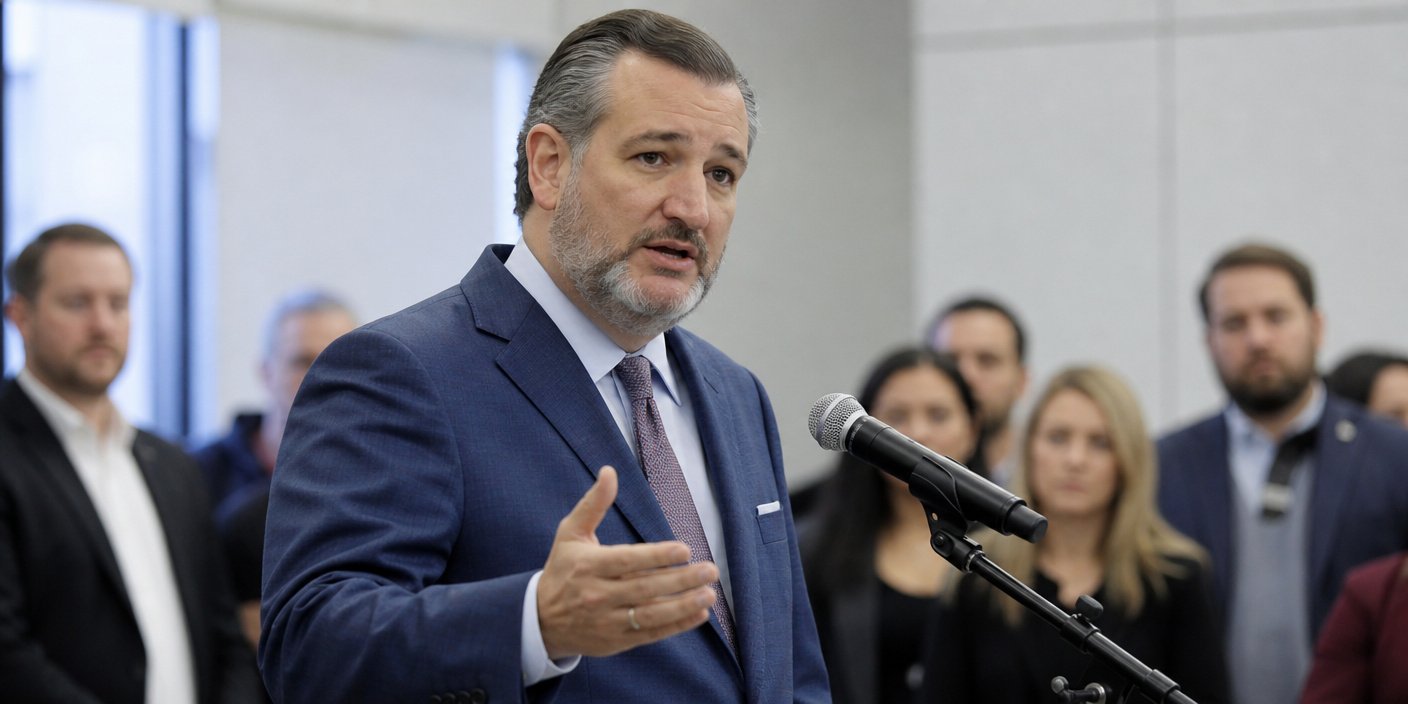

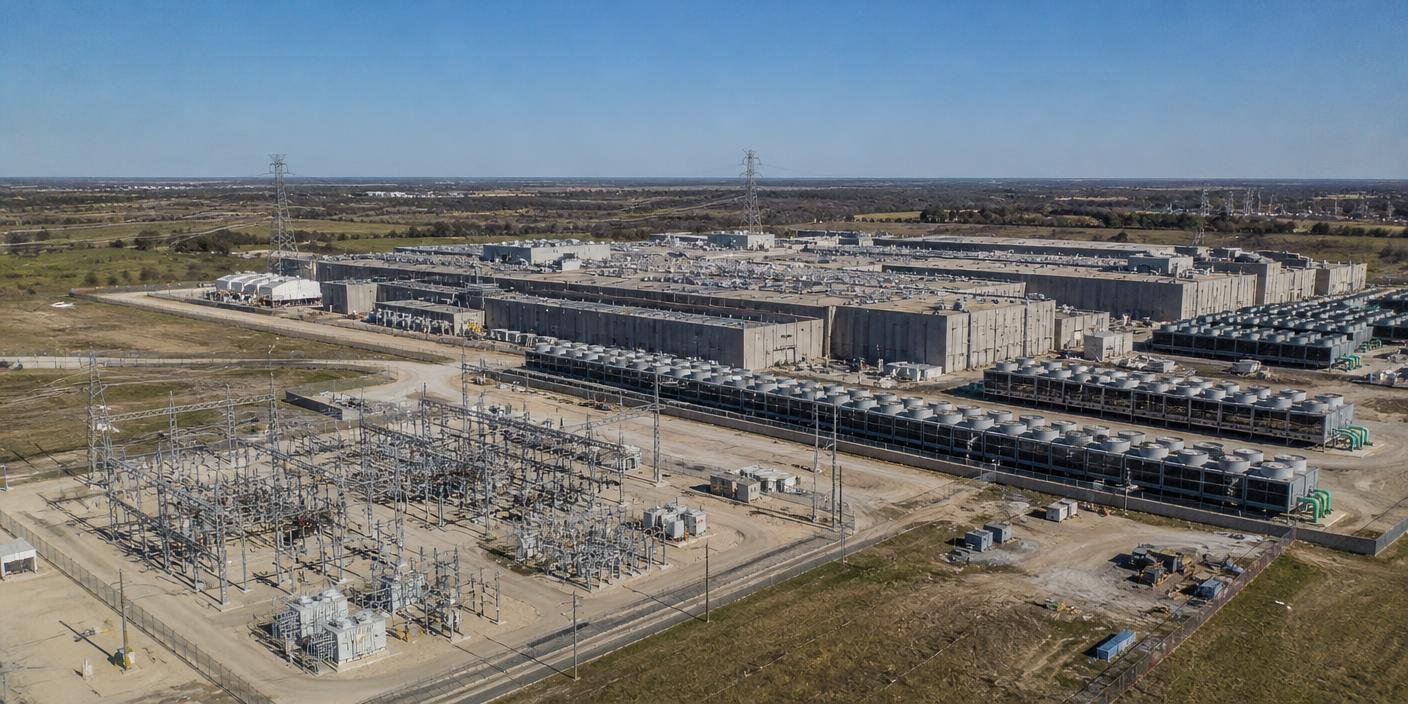
Outgoing Governor Greg Abbott has officially reversed the state’s strategic moratorium on data center permits, effectively uncapping the queue for over 1,800 stalled projects. This sudden pivot marks a significant shift in Texas industrial policy, effectively opening the floodgates for developers who were previously sidelined by concerns regarding power grid sustainability. As the regulatory climate shifts, a frantic rush has ensued, with major tech and infrastructure firms racing to finalize permit approvals before Governor-elect Gina Hinojosa assumes office in January, given her publicly stated commitment to implementing more rigorous oversight on high-consumption facility expansion.
Key Highlights
- Permit Unfreeze: Governor Greg Abbott has removed the temporary moratorium on data center permits, allowing 1,800+ stalled projects to re-enter the approval pipeline immediately.
- The January Deadline: Developers are engaged in a high-stakes race to secure final approvals before Governor-elect Gina Hinojosa’s inauguration, fearing her incoming administration will mandate stricter energy-efficiency and grid-connectivity standards.
- Grid Sustainability Conflict: The move underscores the growing friction between the state’s rapid industrialization as a data center hub and the operational stability of the ERCOT power grid.
The Strategic Pivot: Abbott’s Last Directive
The decision to lift the moratorium represents a calculated final act by the Abbott administration to solidify Texas’s position as the primary destination for global data infrastructure. For months, the state had effectively paused the approval process for large-scale data centers, citing the urgent need to evaluate how these massive power-consumption sites—often requiring hundreds of megawatts—impact the Electric Reliability Council of Texas (ERCOT) grid. By lifting the freeze, Abbott has cleared the way for a massive influx of capital investment, signaling that the state remains ‘open for business’ despite previous grid reliability debates.
Industry analysts estimate that the total power draw of these 1,800 projects, if fully realized, would rival the total consumption of several medium-sized nations. The reversal is not merely a bureaucratic change; it is an ideological signal that Texas continues to prioritize unfettered growth over centralized regulatory caution. For the developers holding these 1,800 pending permits, the timing is critical. Many have spent years securing land, fiber-optic connectivity, and capital financing; the moratorium had placed their multi-billion dollar business models in immediate jeopardy.
The Grid Resilience Paradox
At the heart of this controversy is the relationship between data centers and the Texas energy grid. Critics of the expansion argue that the state’s electricity market is currently ill-equipped to handle the sudden, hyper-concentrated demand that modern AI-focused data centers require. These facilities operate 24/7, offering almost no flexibility for grid operators attempting to balance supply and demand during peak weather events.
However, supporters of the expansion argue that data centers are the ultimate economic catalyst. They provide substantial property tax revenue, which supports local school districts, and they act as the backbone of the digital economy. The conflict lies in who pays for the grid upgrades. Should the burden fall on the general public through rate hikes, or should data center developers be required to build their own renewable, behind-the-meter energy sources? The Abbott administration’s move to clear the backlog essentially defers this question to the next administration, creating a ‘regulatory cliff’ for the incoming Governor.
The Hinojosa Transition and the Regulatory Cliff
The atmosphere among developers is one of palpable anxiety, driven by the looming January transition to Governor-elect Gina Hinojosa’s administration. Hinojosa has been vocal regarding the need to ‘realign’ the state’s growth with its infrastructure capacity. Her platform suggests a move toward mandating strict load-shedding capabilities for industrial giants and requiring data centers to contribute directly to grid-hardening investments.
This has created a ‘sprint to the finish line’ dynamic. Developers are working round-the-clock to ensure their paperwork is filed and stamped before the political landscape shifts. The fear is that a Hinojosa administration will not necessarily ban new data centers, but will implement a ‘permit-to-power’ ratio that makes the current project models unprofitable. If a project is not grandfathered in under the current, more permissive rules, developers face the prospect of expensive compliance retrofitting that could erode projected profit margins by 20% to 30%.
Economic Implications of the Rush
The economic fallout of this transition period is significant. If these 1,800 projects successfully secure permits in the coming weeks, Texas will likely cement its status as the world’s leading data center market, surpassing traditional hubs in Virginia and California. This would mean thousands of construction jobs, hundreds of permanent high-tech operations roles, and a massive expansion of the state’s tax base.
Conversely, if the permit process remains bottlenecked or if the transition to the new administration results in a retroactive review of these approvals, the state risks capital flight. Investors are notoriously averse to regulatory uncertainty. If the legal status of their permits becomes a point of political contention, firms may choose to pivot toward neighboring states like Oklahoma or Louisiana, which are aggressively courting the same industry with lower regulatory friction. The next thirty days are, therefore, defining for the state’s economic trajectory for the next decade.
FAQ: People Also Ask
Q: Why was there a moratorium on Texas data center projects in the first place?
A: The moratorium was implemented to allow state regulators and ERCOT to assess the impact of massive electricity load increases on the Texas power grid, which has faced reliability challenges in recent years.
Q: What specific power demands do these 1,800 projects represent?
A: While exact figures vary by project size, these 1,800 proposed facilities range from localized storage sites to hyperscale AI campuses, collectively representing a demand that could exceed the current capacity of multiple mid-sized US electrical utilities.
Q: Will Gina Hinojosa stop all data center construction in January?
A: While she has not proposed a total ban, Hinojosa has pledged to introduce stricter regulatory oversight. This likely includes mandates for energy efficiency, grid-resiliency contributions, and potential limits on new permits based on grid capacity thresholds.
Q: How does this affect residential electricity rates?
A: This is the central point of political contention. Critics argue that unchecked industrial load growth forces residential users to subsidize grid upgrades, while proponents argue that the tax revenue generated by these facilities keeps utility rates competitive.