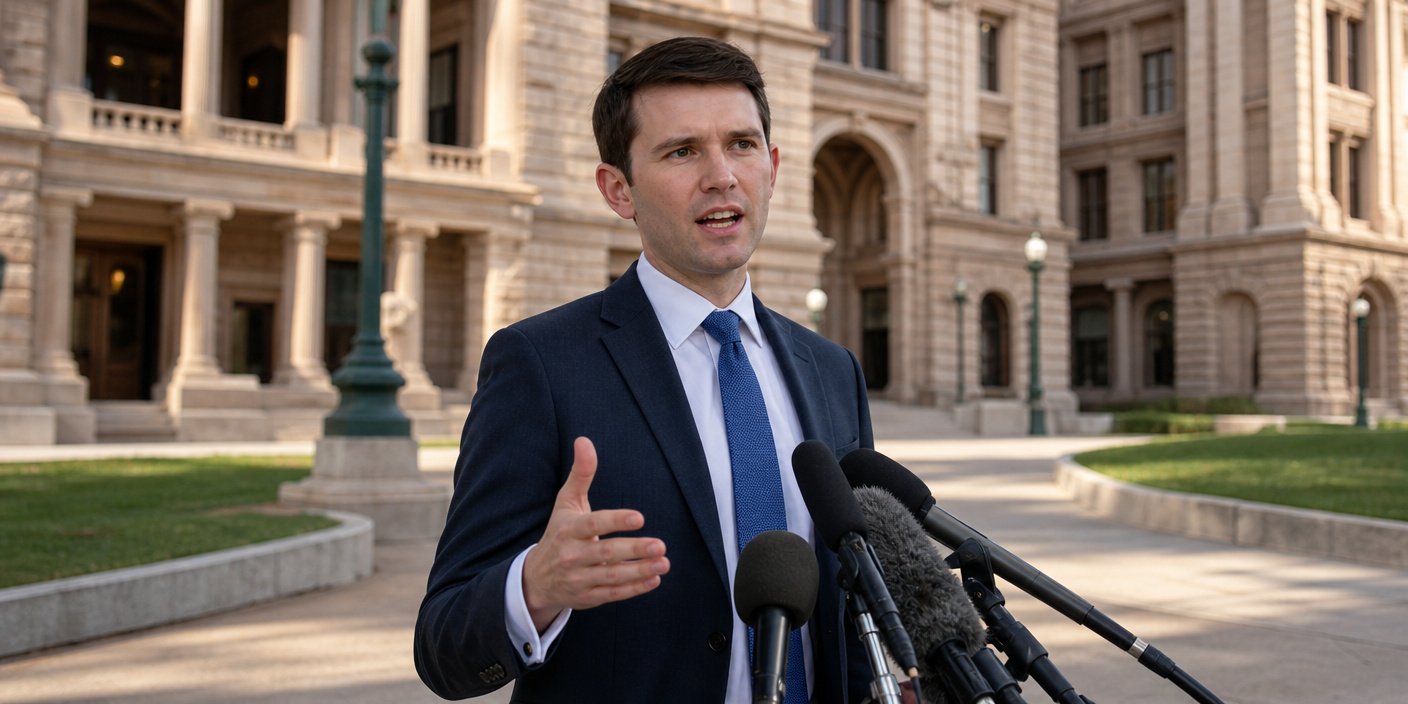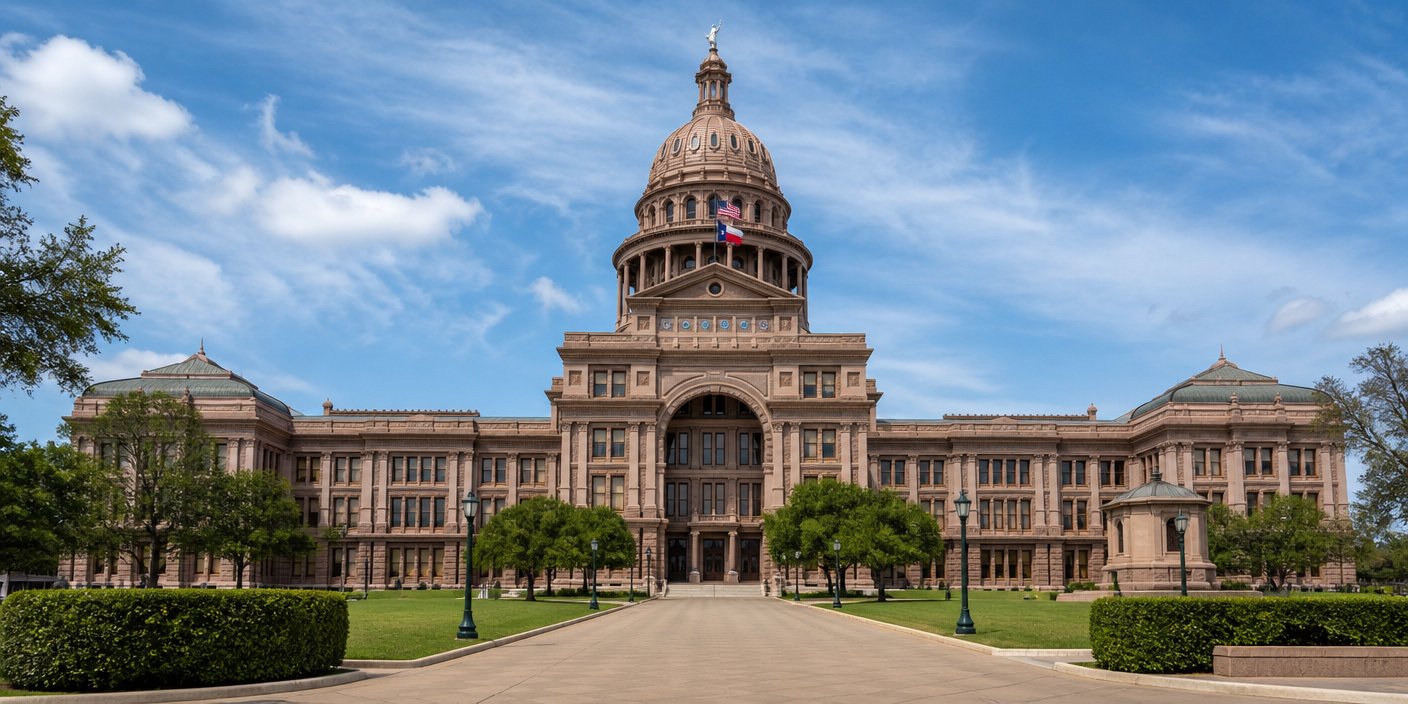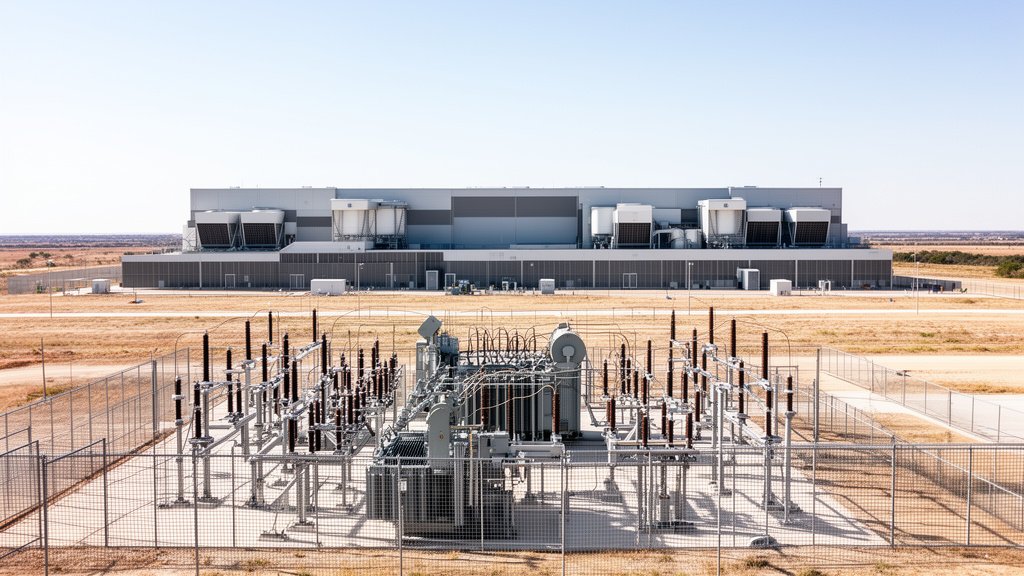
Texas is moving to assert greater control over its rapidly expanding digital infrastructure, with Governor Greg Abbott introducing five essential disclosure requirements for new data centers seeking to connect to the state’s power grid. This pivot comes as the Lone Star State grapples with the dual pressures of a booming artificial intelligence sector and concerns over the long-term reliability of the Electric Reliability Council of Texas (ERCOT) grid. As high-performance computing centers proliferate across North Texas and beyond, these mandates signal an end to the era of unrestricted access, prioritizing grid stability and water conservation over rapid-fire industrial expansion.
Key Highlights
- Mandatory Grid Transparency: New data center developers must now provide comprehensive data on energy load projections, ensuring ERCOT has ample notice for transmission upgrades.
- Water Conservation Audits: For the first time, operators are required to disclose anticipated water usage, a critical metric in regions prone to drought.
- Timeline and Phasing: Developers must provide verified construction timelines to prevent ‘stranded’ grid capacity, where power is reserved but unused for years.
- AI Demand Management: The state is specifically targeting the high-density power demands of AI training clusters, which often require 24/7 baseload power.
- Economic Balancing: The initiative aims to protect residential ratepayers from bearing the infrastructure costs of high-load industrial facilities.
The Infrastructure Mandate: Navigating the AI Gold Rush
The arrival of large-scale AI data centers in Texas has created a unique set of challenges that differ significantly from standard industrial development. These facilities, often housing tens of thousands of GPUs for training large language models, require immense amounts of electricity—often cited in gigawatts rather than megawatts. As Texas positions itself as a global hub for AI and cloud computing, Governor Abbott’s administration has pivoted toward a ‘trust but verify’ approach. The introduction of these five disclosure requirements is not merely a bureaucratic hurdle; it is a strategic maneuver to ensure that the Texas power grid remains robust enough to support residential, commercial, and industrial needs without sacrificing reliability.
Why Transparency Matters for the ERCOT Grid
Historically, the process for connecting large loads to the grid was relatively streamlined, encouraging economic growth and job creation. However, the sheer scale of modern data centers has fundamentally altered this calculus. When a single data center project requests a connection equivalent to the power demand of a mid-sized city, the strain on local transmission infrastructure becomes immediate.
By forcing developers to disclose precise energy load projections, the state can now move from reactive infrastructure planning to proactive grid management. This allows ERCOT to accurately forecast regional shortages and expedite the permitting for transmission lines or substations necessary to support these massive loads. The requirement acts as a gatekeeper, filtering out speculative projects that might secure grid capacity without firm financial or technical backing, thereby preserving valuable grid ‘real estate’ for viable, long-term investments.
The Water-Energy Nexus in Texas
One of the most overlooked aspects of the AI data center debate is the sheer volume of water required for cooling systems. Advanced server clusters generate significant heat, and even with closed-loop systems, water consumption remains a significant overhead. In a state where water scarcity is an ongoing policy concern, these new disclosures represent a critical step toward sustainability. By forcing companies to report their anticipated usage, regulators can now evaluate whether a proposed site has the local water infrastructure to handle such a sustained, high-volume demand without impacting municipal water supplies. This alignment of energy policy with environmental resource management is a hallmark of the new regulatory framework, signaling that Texas is prepared to trade some speed of development for long-term resource security.
Mitigating ‘Stranded’ Capacity and Financial Risk
Another major issue the new rules address is the phenomenon of ‘speculative reserving.’ In the past, developers could reserve power capacity for projects that were years away from construction, effectively tying up grid space that could have been used by more immediate, shovel-ready projects. This ‘stranded capacity’ creates an artificial bottleneck in the system. Under the new disclosure requirements, operators must provide concrete, verifiable construction timelines. Failure to meet these milestones could result in the forfeiture of their grid reservation. This forces developers to demonstrate that they have the capital, the land, and the site readiness to actually build, preventing market gaming and ensuring that the Texas grid grows in lockstep with genuine industrial development.
Balancing Innovation and Public Interest
Critics of the new regulations often argue that excessive red tape might drive investment to other states. However, supporters of the Governor’s plan emphasize that Texas is currently the most attractive market for AI infrastructure globally. The argument is that providing a stable, reliable grid is a competitive advantage in itself. If the grid fails, all businesses—not just data centers—suffer. By implementing these five rules, the state is effectively creating a premium ‘environment of certainty.’ Data center operators, particularly those building massive AI infrastructure, prefer a regulated environment where they know the power will be there when they flip the switch, rather than a Wild West market prone to blackouts and instability.
Future Outlook: The Role of AI in Texas
Looking ahead, the interaction between AI and energy consumption will only intensify. The next phase of this policy evolution will likely involve integrating data centers into demand-response programs, where they can curtail their power usage during peak times in exchange for grid stability credits. This symbiotic relationship—where AI centers act as both a massive load and a potential flexible resource—could define the future of the Texas grid. Governor Abbott’s recent disclosure requirements are the foundational building blocks for this new ecosystem, ensuring that as Texas powers the AI revolution, it does not do so at the expense of its own grid integrity.
FAQ: People Also Ask
1. What are the five disclosure requirements specifically?
While the exact regulatory filing details may vary by specific grid request type, the framework focuses on: (1) Verified projected energy load, (2) Detailed water consumption metrics, (3) Firm, verifiable construction and completion timelines, (4) Documentation of financial and operational readiness, and (5) Commitment to grid-stability protocols, such as emergency load-shedding capabilities.
2. Why is Texas concerned about data centers and the grid?
Texas is currently undergoing a massive surge in electricity demand from AI data centers, cryptocurrency mining operations, and industrial electrification. These loads are unique because they are ‘always-on’ (baseload) and can be significantly larger than traditional manufacturing or commercial facilities, creating unprecedented stress on the ERCOT grid.
3. Will these rules slow down the construction of AI data centers?
They may slow down the ‘paperwork’ phase for speculative projects, but they are intended to speed up the delivery of viable, high-quality projects. By clearing the queue of unfeasible developments, the state ensures that grid capacity is reserved for projects that are ready to break ground and add value to the Texas economy.
4. How does this affect residential electricity rates?
By ensuring that data centers accurately forecast their needs and pay their fair share for infrastructure upgrades, the state prevents residential customers from subsidizing the grid expansion required for industrial AI growth. The goal is to keep energy affordable for Texans while still fostering a pro-business environment.