

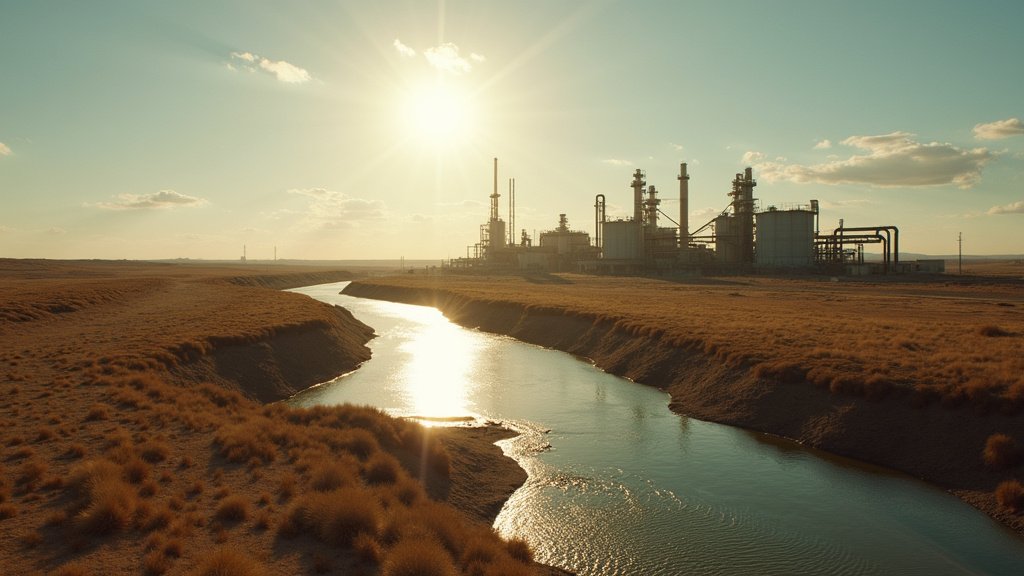
The state of Texas is advancing a proposal that could allow oil companies to release treated toxic wastewater, a significant development in addressing the challenges of Texas Oil Water management. This critical issue, involving the disposal of water generated during oil production, is now being considered for discharge into rivers, a move that sparks considerable debate regarding its environmental implications.
Understanding the Scale of Texas Oil Water
Oil and gas wells across Texas produce immense quantities of what is known as produced water, a byproduct of extraction, with the Permian Basin being a major hub. This Texas oil wastewater can reach staggering volumes, with current estimates around 21 million barrels daily, a figure projected to climb to 26 million barrels by 2030. The composition of this Texas oil wastewater is far from benign; it is characterized by high salt levels, various chemicals, heavy metals, and sometimes naturally occurring radioactive material, often making it many times saltier than seawater. Managing this substantial volume of Texas oil wastewater is a core concern.
Traditional Disposal Methods for Texas Oil Water
Historically, the oil industry has managed this Texas oil wastewater primarily through underground injection into saltwater disposal wells. However, this method has become increasingly problematic, linked to a rise in seismic activity in regions like West Texas. Furthermore, concerns about potential leaks from injection wells necessitate the exploration of alternative and safer disposal solutions for Texas oil wastewater. The industry’s need for effective produced water management has never been more apparent.
New Permits Propose Texas Oil Water Discharge into Rivers
In a significant policy shift, four companies are currently seeking permits to discharge treated produced water into surface streams, including applications to release this Texas oil wastewater into the Pecos River. Among the applicants are Texas Pacific Land Corp. and NGL Energy Partners LP. These companies plan to treat the water to specific standards before releasing it. The potential approval of at least one such permit in the first quarter of 2026 signals a major evolution in how Texas oil wastewater is managed, moving disposal methods away from solely underground injection.
Key Players in the Texas Oil Water Debate
The Texas Commission on Environmental Quality (TCEQ) is the primary regulatory body overseeing these proposed discharges of Texas oil wastewater, with the U.S. Environmental Protection Agency (EPA) also having oversight. While TCEQ asserts it will not permit harmful discharges, environmental advocates, such as the Sierra Club, express strong concerns. They question the adequacy of safety research and highlight the potential environmental impact on aquatic ecosystems. The Pecos River, already classified as impaired due to existing salinity and dissolved solids, could face exacerbated challenges from the introduction of treated Texas oil wastewater. Texas Pacific Water Resources maintains that their treated water meets safety standards for aquatic life, but critics remain skeptical about the long-term effects of this produced water management approach.
Environmental and Health Risks of Texas Oil Water Discharge
A primary concern revolves around the potential for residual pollution, even from treated Texas oil wastewater, which may still contain harmful substances like chlorides and other toxins. The long-term environmental impact and potential health risks are not yet fully understood, with scientists pointing to a lack of comprehensive data. Current regulatory standards may not adequately address the complex chemical makeup of this produced water, creating significant regulatory uncertainty for effective produced water management. Environmental groups are advocating for more extensive research before any approvals are granted, fearing that a rushed process could lead to industry shortcuts in handling Texas oil wastewater.
Potential Benefits and Industry Push for Texas Oil Water Reuse
Proponents argue that treating and reusing produced water, including Texas oil wastewater, could unlock a valuable new water source. This recycled water could be used for agricultural irrigation or industrial cooling, potentially benefiting sectors like the data center industry in West Texas and local farmers. Such water scarcity solutions would reduce the reliance on underground injection and alleviate pressure on freshwater resources in arid Texas. Companies like Texas Pacific Land are investing in the infrastructure for sustainable water development, seeing economic value in the responsible management of Texas oil wastewater. The industry seeks regulatory clarity to encourage further investment in advanced treatment technologies, as recycling can often be a more cost-effective option than traditional disposal. This development is a significant topic within the current oil industry regulations discourse.
The Road Ahead for Texas Oil Water Management
The Texas Commission on Environmental Quality faces a consequential decision regarding the management of Texas oil wastewater. They must navigate the delicate balance between supporting energy production and safeguarding water quality. As Texas explores innovative water supplies, including treated oilfield wastewater, the proposed river discharges represent a new frontier in water management. This evolving situation underscores the complex challenges inherent in produced water management and will undoubtedly shape the future of both the environment and the economy in Texas. Stakeholders are keenly observing these developments, which continue to unfold.