

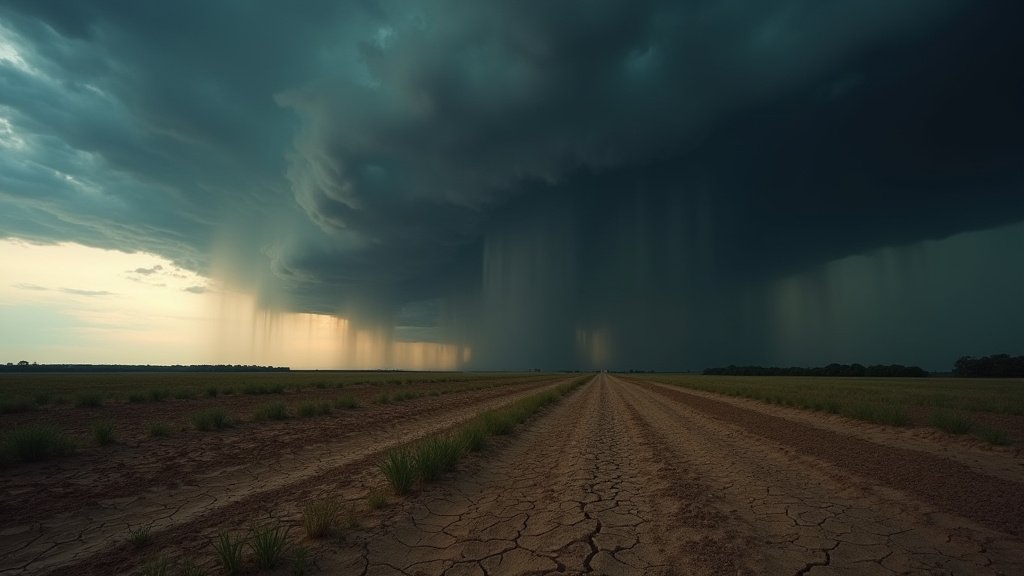
Texas Governor Greg Abbott has issued a weather emergency for much of the state, a stark reminder for residents and travelers to exercise extreme caution as a significant weather system brings the threat of severe flash flooding. Areas under alert include major population centers like the Rio Grande Valley, Dallas, Houston, and San Antonio, as well as central and southwest Texas, where flood watches are in effect. This alert follows substantial rainfall that has already impacted neighboring Louisiana and underscores the potential for dangerously rapid water level rises across the Lone Star State.
Key Highlights:
- A statewide weather emergency has been declared in Texas due to a major storm system.
- Flash flooding is a primary concern across numerous regions, including Dallas, Houston, and San Antonio.
- Storms could deliver up to 6 inches of rain per hour, potentially causing a year’s worth of rainfall in some locations.
- Travelers are strongly advised to check weather and road conditions before departing.
- Prioritizing safety over travel plans is paramount to avoid preventable tragedies.
Storms Unleash Torrential Rain Threatening Texas Communities
This formidable weather system is characterized by its intensity, with meteorologists warning of storms capable of producing up to six inches of rain in a single hour. Such extreme precipitation rates raise the specter of flash floods that can develop with little to no warning, overwhelming drainage systems and transforming roads into impassable waterways. For some drought-stricken areas of Texas, the significant rainfall could offer a much-needed reprieve, potentially aiding in replenishing critically low reservoir levels. However, the immediate concern shifts to public safety as these deluges pose a severe risk to life and property. The Texas Division of Emergency Management is coordinating efforts to respond to the escalating situation, emphasizing preparedness and proactive safety measures. The sheer volume of anticipated rainfall in a short period presents a unique challenge, as it can exceed the capacity of both natural and man-made infrastructure to handle the runoff. This meteorological event serves as a critical inflection point, where the potential benefits of drought relief are overshadowed by the immediate dangers of severe flooding. Communities are urged to stay informed through official channels and heed all evacuation orders if issued by local authorities. The National Weather Service has provided detailed advisories for the affected regions, outlining the specific threats and recommended precautions.
The Dangers of Flash Flooding
Flash floods are notoriously dangerous due to their speed and unpredictability. A mere few inches of moving water can sweep away vehicles, and even shallow floodwaters can pose a significant risk to pedestrians. The Texas Department of Transportation is monitoring road conditions closely and has issued warnings about potential closures and hazardous driving situations. Travelers are reminded that “Turn Around, Don’t Drown,” a slogan popularized by the National Weather Service, is not just a catchphrase but a life-saving directive. Driving or walking through floodwaters is one of the leading causes of weather-related fatalities in the United States, and this storm system creates a heightened risk across a wide geographical area. The article’s central message is a call to action for personal responsibility in the face of severe weather. While rescheduling a trip might lead to disappointment or inconvenience, it is a small price to pay compared to the irreversible consequences of a travel-related tragedy. The Texas A&M Forest Service has also issued advisories regarding potential impacts on rural and wildland areas, including increased risk of landslides in susceptible terrain.
Balancing Need and Safety: Drought Relief vs. Flood Danger
The dual nature of this weather event – offering potential drought relief while simultaneously presenting flood risks – creates a complex scenario. For regions that have been battling severe drought conditions, the influx of water is a welcome development that could alleviate water scarcity and bolster agricultural output. Reservoirs like Lake Travis and Lake Buchanan, which have been at critically low levels, could see significant replenishment, improving water supplies for millions. However, this potential benefit is intricately tied to the immediate danger posed by the intensity of the rainfall. The landscape’s ability to absorb water is finite, and prolonged or exceptionally heavy downpours can saturate the ground, leading to increased surface runoff and exacerbating flood conditions. This delicate balance requires constant monitoring and adaptive strategies from state and local officials. The Texas Water Development Board is closely observing reservoir levels and water availability projections in light of the storm’s impact. The ultimate outcome will depend on the storm’s duration, intensity, and geographical distribution, alongside the proactive measures taken by citizens to ensure their safety.
FAQ: People Also Ask
What is a statewide weather emergency in Texas?
A statewide weather emergency, as declared by the Governor, signifies a serious and widespread threat to public safety and property due to severe weather conditions. It mobilizes state resources for response and emphasizes the urgent need for public awareness and preparedness.
How much rain can these storms produce per hour?
Meteorologists are warning that some of these storms could produce up to 6 inches of rain per hour, a rate that can quickly lead to dangerous flash flooding.
Which areas in Texas are most affected by the flood watches?
Flood watches are currently in effect across central and southwest Texas, with broader weather emergencies declared for most of the state, including the Rio Grande Valley, Dallas, Houston, and San Antonio.
Why is checking weather and road conditions before travel so important during severe weather?
Severe weather can create rapidly changing and hazardous conditions, such as flash floods, downed trees, and impassable roads. Checking conditions beforehand allows travelers to make informed decisions, postpone trips if necessary, and avoid life-threatening situations.
Can heavy rain actually help with drought conditions?
Yes, while the immediate concern with intense storms is flooding, sustained or significant rainfall can help replenish water reservoirs, improve soil moisture, and alleviate drought conditions over time, provided the water can be managed effectively and safely.