

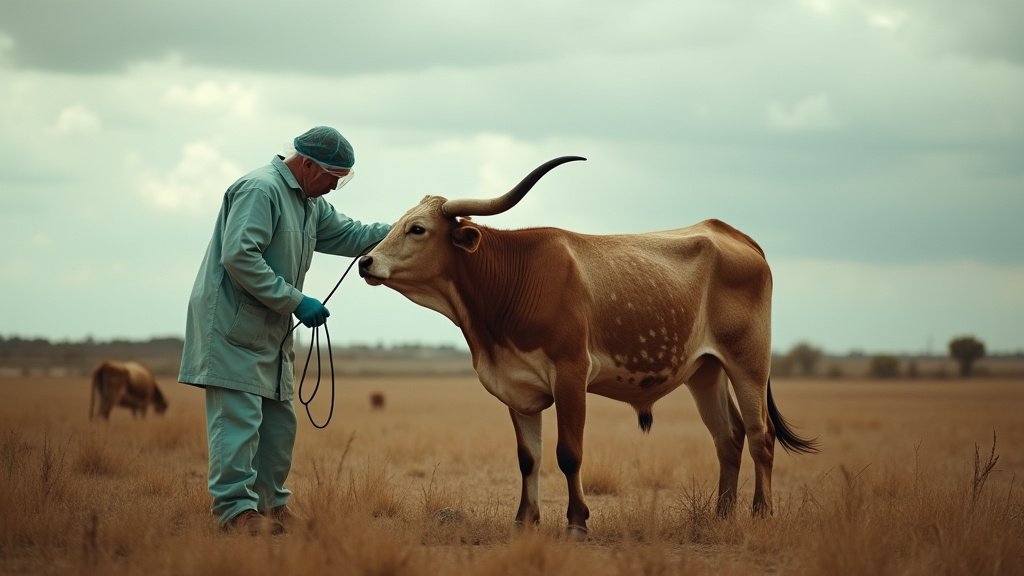
A new threat is emerging for Texas cattle farmers as a flesh-eating parasite, identified as Sarcoptes scabiei, has been detected in several herds. This detection raises concerns about animal welfare, economic losses, and potential zoonotic transmission.
Key Highlights:
- A flesh-eating parasite has been confirmed in Texas cattle herds.
- The parasite is identified as Sarcoptes scabiei, commonly known as sarcoptic mange.
- Producers are urged to report suspected cases to state veterinarians.
- Economic impacts and animal welfare are primary concerns.
Understanding the Parasite and Its Impact
The detection of Sarcoptes scabiei in Texas cattle marks a significant concern for the state’s agricultural sector. This mite is a well-known cause of sarcoptic mange, a highly contagious skin disease that affects a wide range of mammals, including livestock and humans. In cattle, the parasite burrows into the skin, causing intense itching, inflammation, and hair loss. This leads to significant discomfort for the animals, reduced weight gain, and decreased milk production in dairy cattle. The economic implications are substantial, as farmers face costs associated with treatment, potential herd losses, and reduced market value of affected animals.
The Zoonotic Risk
While Sarcoptes scabiei primarily affects animals, it is capable of causing a similar, albeit usually temporary, skin irritation in humans who come into close contact with infected animals. This zoonotic potential underscores the importance of strict biosecurity measures and prompt reporting of any suspected outbreaks. Public health officials are monitoring the situation closely, though the risk to the general human population is considered low if proper precautions are taken.
Economic Repercussions for Texas Agriculture
The Texas cattle industry is a cornerstone of the state’s economy. An outbreak of a contagious parasite like Sarcoptes scabiei can have widespread economic consequences. Beyond the direct costs of treating infected animals, there are indirect costs such as reduced herd productivity, the need for isolation and quarantine measures, and potential trade restrictions if the outbreak were to spread significantly. The Texas Animal Health Commission (TAHC) is working with producers to implement control strategies and minimize economic damage.
Management and Prevention Strategies
Veterinary and agricultural authorities are emphasizing proactive management and prevention. Early detection is crucial. Producers are advised to regularly inspect their herds for signs of mange, including excessive scratching, skin lesions, and hair loss. If suspected, immediate consultation with a veterinarian is recommended. Treatment typically involves approved acaricides, often administered through topical applications, injections, or pour-ons. Strict hygiene protocols for handling equipment and personnel moving between different areas or farms are also vital to prevent the spread of the parasite.
FAQ: People Also Ask
What is Sarcoptic Mange?
Sarcoptic mange is a skin disease caused by infestation with the mite Sarcoptes scabiei. It is highly contagious among animals and can cause intense itching and skin lesions.
Can humans get Mange from cattle?
Humans can contract a temporary form of mange, known as scabies, if they come into direct contact with cattle infected with Sarcoptes scabiei. The human mites typically die within a few days without a host, but they can cause an itchy rash.
How does the parasite spread among cattle?
The mites spread through direct contact between animals, or indirectly through contaminated environments, bedding, or equipment. It is highly contagious within a herd and can spread easily if measures are not taken.
What are the main symptoms of Mange in cattle?
Symptoms include severe itching, leading to excessive scratching and rubbing against surfaces. This often results in hair loss, thickened skin, and crusting, particularly around the head, neck, and legs.
What is being done to control the parasite in Texas?
The Texas Animal Health Commission (TAHC) is coordinating with veterinarians and producers to monitor the situation, provide guidance on diagnosis and treatment, and enforce biosecurity measures to prevent further spread.