
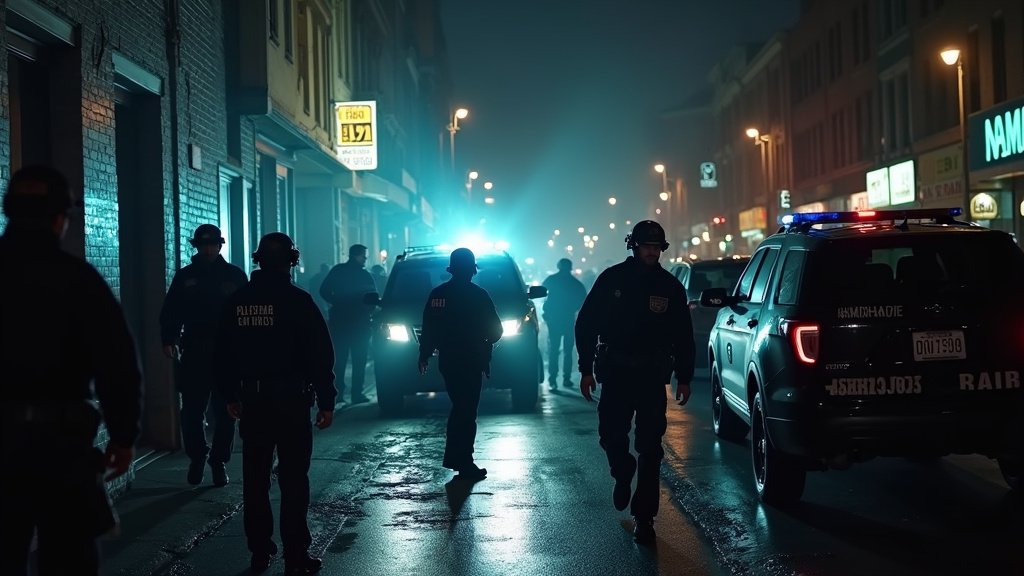
Minnesota faces intense scrutiny following the recent Minnesota ICE Raids, a major enforcement action launched by federal immigration agents on January 12, 2026. This operation marked their largest enforcement action ever, targeting Minneapolis and surrounding areas, and amplified existing community fears, particularly in the wake of a fatal shooting involving ICE officer Renee Good. That incident ignited widespread protests and intensified the ongoing US immigration debate.
Federal Operation and Minnesota ICE Raids
Immigration and Customs Enforcement (ICE) deployed massive resources, describing it as the agency’s biggest operation to date. Up to 2,000 federal agents participated, including personnel from Homeland Security Investigations (HSI) and Customs and Border Protection (CBP). This extensive Minnesota ICE Raids operation was planned for 30 days and focused on fraud allegations, with many cases involving Somali residents. President Trump linked the crackdown to fraud, citing pandemic aid programs, and federal prosecutors charged many individuals in Minnesota, most with Somali roots. HSI agents investigated fraud and smuggling, while deportation officers conducted arrests, with special tactical units involved. Homeland Security Secretary Kristi Noem was present and appeared with ICE officers during an arrest, stating, “You will be held accountable for your crimes.” The scale of the Minnesota ICE Raids has drawn significant attention.
Tragedy Amidst ICE Enforcement Action
Amidst the crackdown, tensions flared dramatically. On January 7, 2026, ICE officer Jonathan Ross shot Renee Good in South Minneapolis. Good, a 37-year-old US citizen and mother of three, was killed. Federal officials claimed self-defense, stating Good tried to ram officers and labeling it “domestic terrorism.” Secretary Noem echoed this claim, and President Trump defended the officer, writing, “who seems to have shot her in self defense.” However, video evidence and eyewitness accounts contradicted this narrative, with some analysis suggesting the agent was not in danger. The FBI took sole control of the investigation, a decision that concerned state officials and removed Minnesota’s Bureau of Criminal Apprehension (BCA). Governor Tim Walz questioned the investigation’s fairness following this ICE enforcement action.
Protests Against ICE Erupt Nationwide
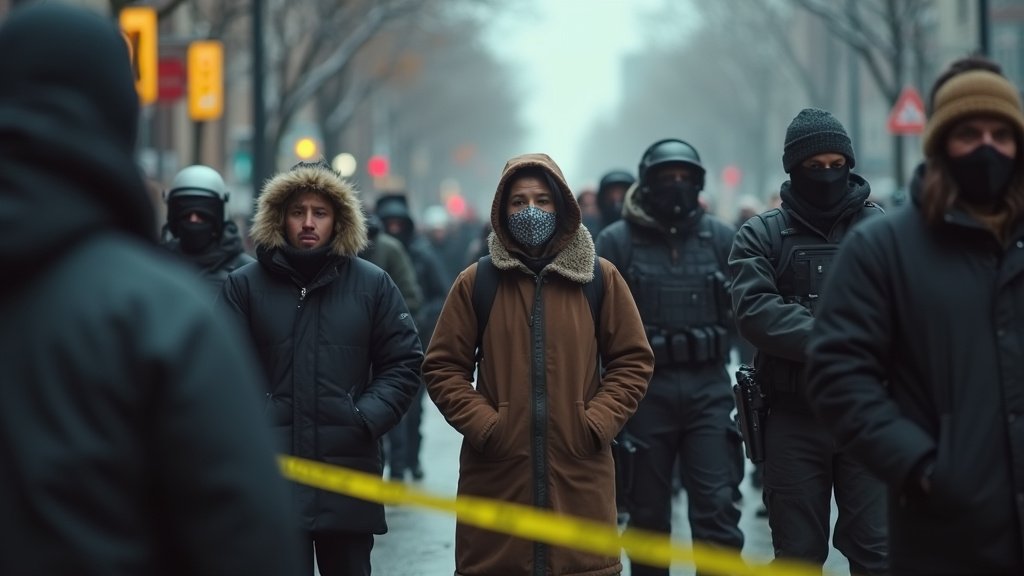
The shooting incident surrounding the Minnesota ICE Raids fueled public anger, leading to protests across the US. Demonstrators marched in major cities demanding an end to ICE operations, with many rallies themed “ICE Out for Good.” In Minneapolis, thousands protested, marching near where Good was shot. Residents expressed fear and frustration, with one protester stating, “We’re all living in fear right now. ICE is creating an environment where nobody feels safe.” Some protests turned confrontational, involving chemical spray, a home breach and arrest, and objects being thrown at officers. Police cited over 30 people during one protest, highlighting the growing public anger and the impact of the Minnesota ICE Raids. These demonstrations underscore the divisive nature of federal immigration policy.
Political Divide Deepens Over Minnesota ICE Raids
Minnesota leaders strongly condemned the federal actions associated with the Minnesota ICE Raids. Mayor Jacob Frey called the government’s narrative “bullshit” and demanded ICE “Get the f* out of Minneapolis.” Senator Tina Smith voiced heartbreak and anger, calling the shooting “incredibly scary” and urging ICE to “end this operation now.” Other Democratic representatives accused the Trump administration of sowing chaos and questioned the investigation’s objectivity. Republicans largely defended the federal response, with Vice President JD Vance blaming the victim and calling it “a tragedy of her own making.” Homeland Security Secretary Kristi Noem criticized local leaders, stating cooperation depends on their willingness and dismissing concerns about investigation fairness concerning the Minnesota ICE Raids.
Scrutiny and Uncertainty Following Minnesota ICE Raids
Concerns grew about ICE tactics during the recent Minnesota ICE Raids. Some reviewed footage called the officer’s actions in the Renee Good shooting reckless, while others noted ICE’s expansion of forced entry. Protesters have become more organized, monitoring ICE activity and alerting immigrant communities. Local officials also faced scrutiny; three Minnesota congresswomen were denied entry to an ICE facility during tense days. The role of AI in surveillance is also a growing concern, reflecting broader issues within federal immigration policy. The US border situation remains a complex issue, and this news reflects deep divisions that impact communities nationwide.
The Path Forward After the Minnesota ICE Raids
Minnesota finds itself at the center of a national crisis, with mass immigration arrests coinciding with a fatal shooting. Protests highlight deep-seated anger surrounding the Minnesota ICE Raids. Federal and state authorities remain at odds, and the outcome of the investigation into the Renee Good shooting is uncertain. The broader US immigration debate continues, with tensions remaining high. The impact of these events, including the significant focus on Minnesota ICE Raids, will be long-lasting, and this trending news shows no immediate resolution.