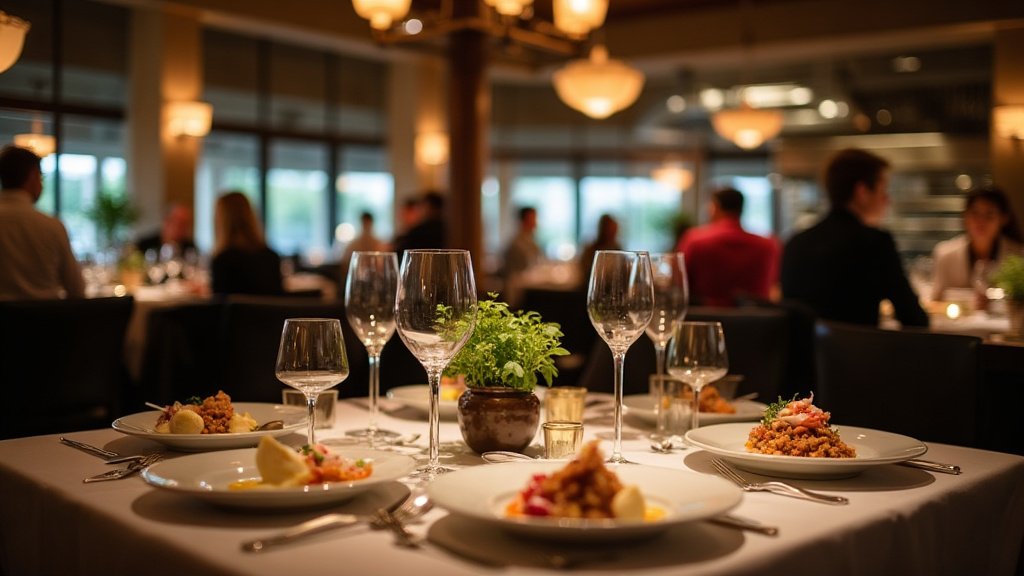

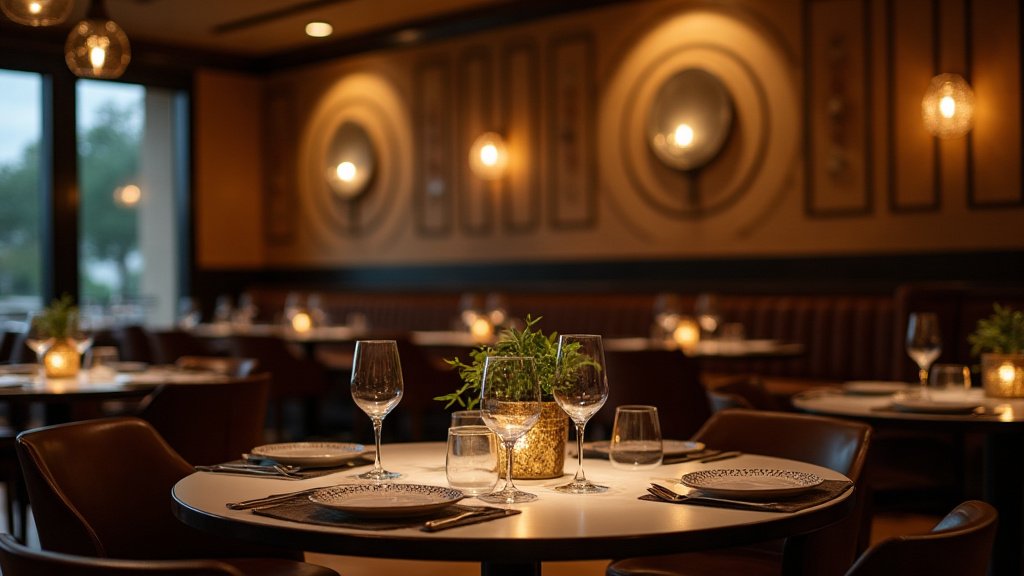
Dallas’ culinary landscape continues to evolve with 10 new restaurant concepts highlighted for November 2026, ranging from Mediterranean bakeries to upscale steakhouses, reflecting the city’s diverse dining growth. As the Metroplex solidifies its reputation as a premier gastronomic hub, these latest arrivals are not merely adding seat capacity; they are shifting the cultural narrative of the city’s dining scene.
Key Highlights
- Fusion Dominance: New establishments are eschewing traditional boundaries, blending Mediterranean techniques with Texan ingredients.
- Design District Growth: The neighborhood has seen a 15% increase in boutique dining concepts this quarter, outpacing downtown redevelopment.
- Workforce Resilience: Despite tightening labor markets, these 10 openings report full staffing levels, signaling a renewed appeal for hospitality careers in North Texas.
- Economic Shift: Total capital investment in this month’s cohort of openings exceeds $45 million, highlighting strong investor confidence in the region.
The New Era of Dallas Gastronomy
The Dallas dining scene is no longer defined by a singular identity but by a tapestry of global influences tethered to local demand. This November, the city welcomes a surge of concepts that bridge the gap between high-end luxury and approachable, neighborhood-centric dining. Among the most anticipated openings are “Solis Mediterranean,” a bakery-bistro hybrid in the Design District, and “The Golden Oak,” a modern steakhouse that redefines the classic Dallas experience through sustainable, locally sourced beef programs.
The Rise of Neighborhood-Centric Dining
While Downtown and Uptown remain standard-bearers for industry growth, the recent wave of openings suggests a hyper-local approach to development. Districts like Bishop Arts and the revitalized Design District are attracting chefs who prefer intimate, high-concept spaces over massive footprint restaurants. This shift is intentional. According to the Texas Restaurant Association, there is a clear trend toward smaller, owner-operated establishments that prioritize menu quality and interior ambiance over sheer volume. This shift is not just aesthetic; it is an economic response to the rising costs of commercial real estate in the city center.
The Fusion Evolution
Perhaps the most compelling trend this November is the maturation of fusion cuisine. Establishments like “Miso & Rye,” a hybrid Japanese-deli concept, represent a significant departure from the fusion trends of the early 2000s. Instead of jarring flavor profiles, these new spots focus on the marriage of technique—applying Japanese precision to regional grains and proteins. This aligns with a broader consumer demand in Dallas for “conscious dining,” where patrons are increasingly interested in the provenance of their ingredients, a factor validated by the Dallas Culinary Council’s recent Q4 industry report.
Navigating Economic Challenges
Despite the excitement surrounding these 10 openings, the industry faces headwinds. Supply chain volatility and rising labor costs remain significant hurdles. However, the operators behind this month’s major launches have adopted a model of extreme operational efficiency. By leveraging AI-driven inventory management and streamlined menus, these businesses are insulating themselves from the fluctuations that plagued the sector in previous years. The goal is sustainability; these restaurants are built to last rather than burn out in a cycle of hype.
Secondary Angles: Exploring Future Trends
1. The ‘Experience Economy’ Shift: Restaurant design is pivoting toward immersive environments. It is no longer enough to serve excellent food; the space itself must offer an “Instagrammable” yet sophisticated backdrop. This is influencing everything from lighting design to table settings.
2. Technological Integration: Digital-first operations, from reservation management to back-of-house logistics, have become standard. The integration of proprietary tech stacks is a common thread among the 10 openings.
3. Labor Dynamics: The recent influx of skilled culinary talent to the Dallas-Fort Worth metro area has allowed these new establishments to recruit top-tier chefs, elevating the overall quality of service across the board.
FAQ: People Also Ask
Q: What are the primary neighborhoods seeing the most growth in Dallas dining?
A: As of November 2026, the Design District and Bishop Arts are leading, with significant spillover into the Knox/Henderson corridors.
Q: Are these new restaurants more expensive than average?
A: While the average check size is trending slightly upward due to premium ingredient sourcing, the variety includes accessible “fast-fine” concepts as well as traditional high-end dining.
Q: How does the Texas Restaurant Association view this current expansion?
A: They remain cautiously optimistic, citing that while growth is strong, the primary focus for the industry remains long-term staff retention and sustainable supply chain management.
Q: Do I need reservations for these new spots?
A: For the 10 featured openings, reservations are highly recommended, as local interest remains at an all-time high throughout the holiday-adjacent November season.