
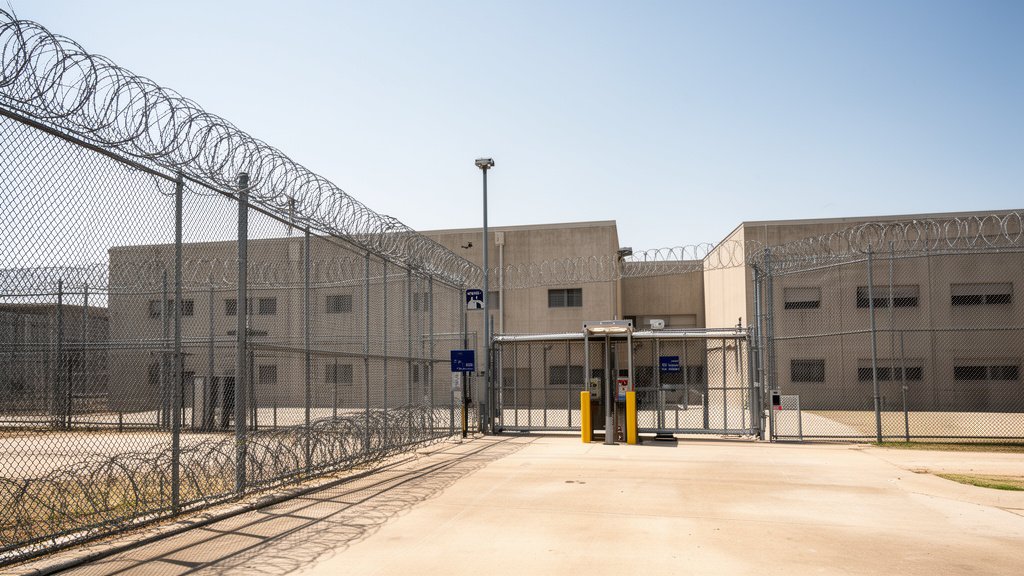
The Texas Juvenile Justice Department (TJJD) is currently operating under a statewide emergency lockdown, effectively halting all visitation, programming, and movement across all five of its secure state-run youth facilities. This unprecedented shutdown follows the sudden resignation of Executive Director Shandra Carter, leaving the agency in a state of leadership flux at the precise moment it faces intense criticism from state oversight bodies. The confluence of these events has triggered a crisis of confidence in the state’s ability to manage its most vulnerable incarcerated population, forcing lawmakers and advocates to confront the realities of a system that appears to be buckling under its own weight.
The Resignation and Immediate Fallout
The resignation of Shandra Carter has sent shockwaves through the Texas capital, marking another chapter in the volatile history of the TJJD. Carter, who took the helm during a period of intense pressure, stepped down amid persistent rumors of internal strife and an unmanageable crisis concerning facility staffing levels. The immediate consequence of her departure was the initiation of an agency-wide lockdown. While the department typically cites ‘safety concerns’ and ‘staffing shortages’ as the primary justifications for such measures, the timing suggests a deeper systemic reaction to a sudden loss of institutional command.
For families, the lockdown has meant an abrupt severing of contact. Visitation, a critical component of rehabilitation for incarcerated youth, has been suspended indefinitely. Advocates argue that these lockdowns, while operationally necessary during extreme staffing shortfalls, perpetuate a cycle of trauma and isolation that runs contrary to the stated mission of juvenile rehabilitation.
The Oversight Critique: A System in Disarray
The latest oversight report, which serves as a roadmap for the systemic issues facing the agency, paints a bleak picture of the facilities. The document, compiled by the Office of the Independent Ombudsman (OIO), offers a stark assessment of facility management, safety protocols, and the efficacy of rehabilitation programs. The report highlights critical failures in the oversight of daily operations, specifically citing a decline in security protocols that has left both staff and youth at increased risk of harm.
One of the most damning aspects of the critique is the identification of ‘chronic understaffing’ as the root cause of the current environment. The report details how the lack of juvenile correctional officers has created a feedback loop: insufficient staff leads to lockdowns, which disrupts rehabilitation and educational programming, which in turn leads to increased agitation and behavioral incidents among the youth. This volatility further discourages staff from remaining on the job, creating a revolving door of employment that the agency has failed to stem.
The Staffing Crisis: A Core Operational Failure
The staffing deficit within the TJJD is not a new phenomenon, but the intensity described in the current report suggests it has reached a breaking point. With facilities operating far below the recommended staffing ratios, the agency has relied heavily on mandatory overtime and temporary personnel, neither of which has provided the consistency required for institutional stability.
Experts note that the environment within these facilities has shifted from a rehabilitative focus to one of mere containment. The oversight report suggests that without significant budgetary intervention to increase base pay and improve working conditions, the agency will continue to hemorrhage staff. The economic impact is two-fold: the state incurs massive costs for emergency staffing and overtime, while the long-term societal cost increases as youth return to their communities without receiving the necessary interventions to reduce recidivism.
Systemic Vulnerability and Institutional History
To understand the gravity of the current situation, one must look at the historical context of the TJJD. The agency has been under the microscope of the Texas Legislature for over a decade, having faced multiple calls for reform following reports of physical and sexual abuse within its facilities. The current lockdown is being viewed by some critics as a manifestation of a ‘broken model.’ The centralized state facility approach, which houses youth from across the vast state of Texas far from their homes, inherently creates logistical and social challenges that smaller, community-based alternatives seek to mitigate.
The Path Forward: Oversight vs. Action
The critical question facing the Texas legislature is whether the oversight report will serve as a catalyst for genuine reform or merely another document added to a growing pile of recommendations. Calls for an independent investigation into the agency’s leadership and management structure are growing. The resignation of the director has created a vacuum, but for many advocates, replacing one leader will not fix a systemic issue that is deeply embedded in the agency’s operational philosophy.
The path forward likely requires a combination of immediate crisis stabilization and long-term structural overhaul. This includes potentially pivoting away from large, state-run prisons toward smaller, regionalized facilities that allow for better staffing retention and stronger family involvement. However, until the immediate lockdown is lifted and the agency finds stable leadership, the youth currently held within these walls remain in a state of suspended animation, waiting to see if the system that holds them can actually support them.
FAQ: People Also Ask
1. Why are all Texas youth prisons currently on lockdown?
The statewide lockdown was initiated following the sudden resignation of the Texas Juvenile Justice Department’s Executive Director. The move is largely attributed to severe staffing shortages, which have made it operationally impossible to safely maintain standard facility activities, education, and visitation.
2. What does the state oversight report conclude?
The Office of the Independent Ombudsman’s report identifies chronic understaffing and failing safety protocols as primary issues. It concludes that the agency’s management has been unable to provide a stable, rehabilitative environment, and that current conditions are increasing the risk of harm for both staff and youth.
3. How long will the lockdown last?
There is no specified end date for the lockdown. The TJJD typically maintains these restrictions until staffing levels stabilize to a point where the agency can resume ‘normal’ operations. This creates uncertainty for families and legal teams who are currently unable to visit or contact youth in custody.
4. What happens next for the Texas Juvenile Justice Department?
The department is currently operating under interim leadership. The state legislature is expected to review the oversight findings and the resignation circumstances, which may lead to calls for a special session or significant budgetary adjustments in the next legislative cycle to address the staffing and facility management crisis.