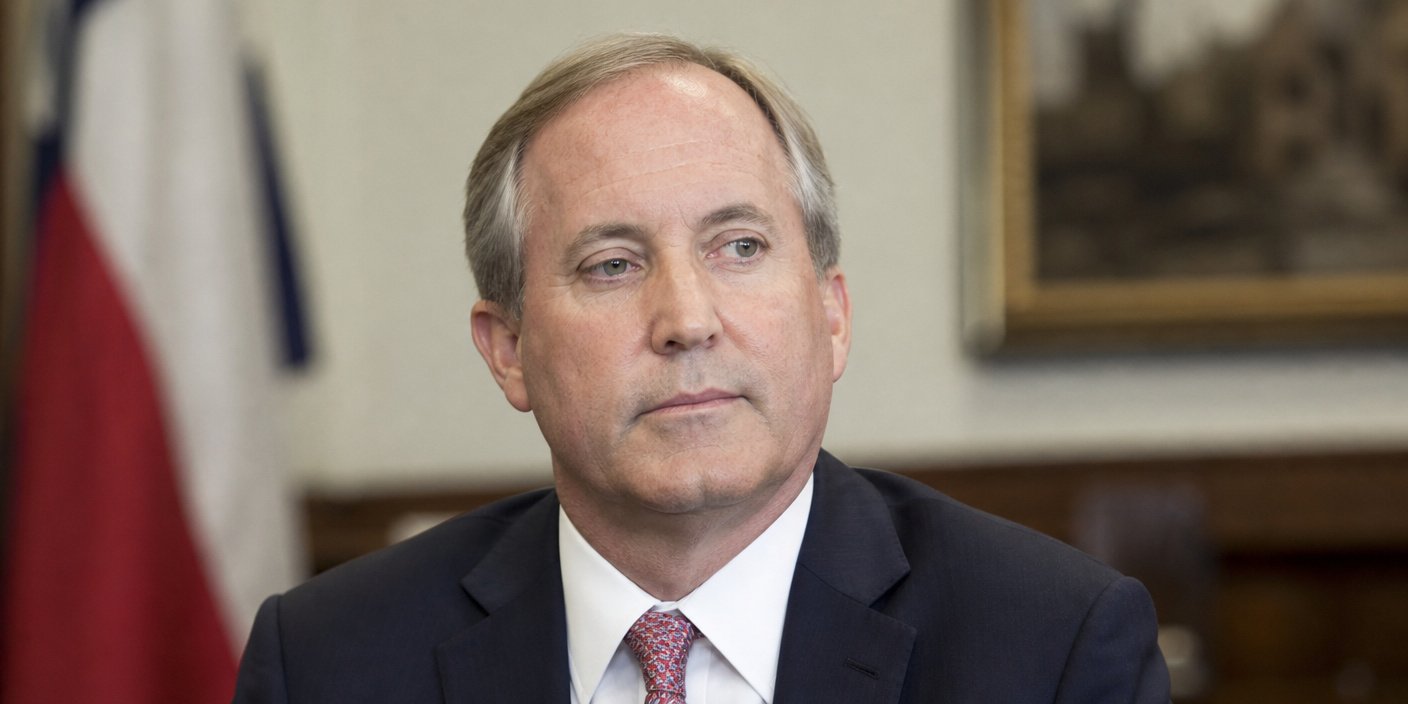

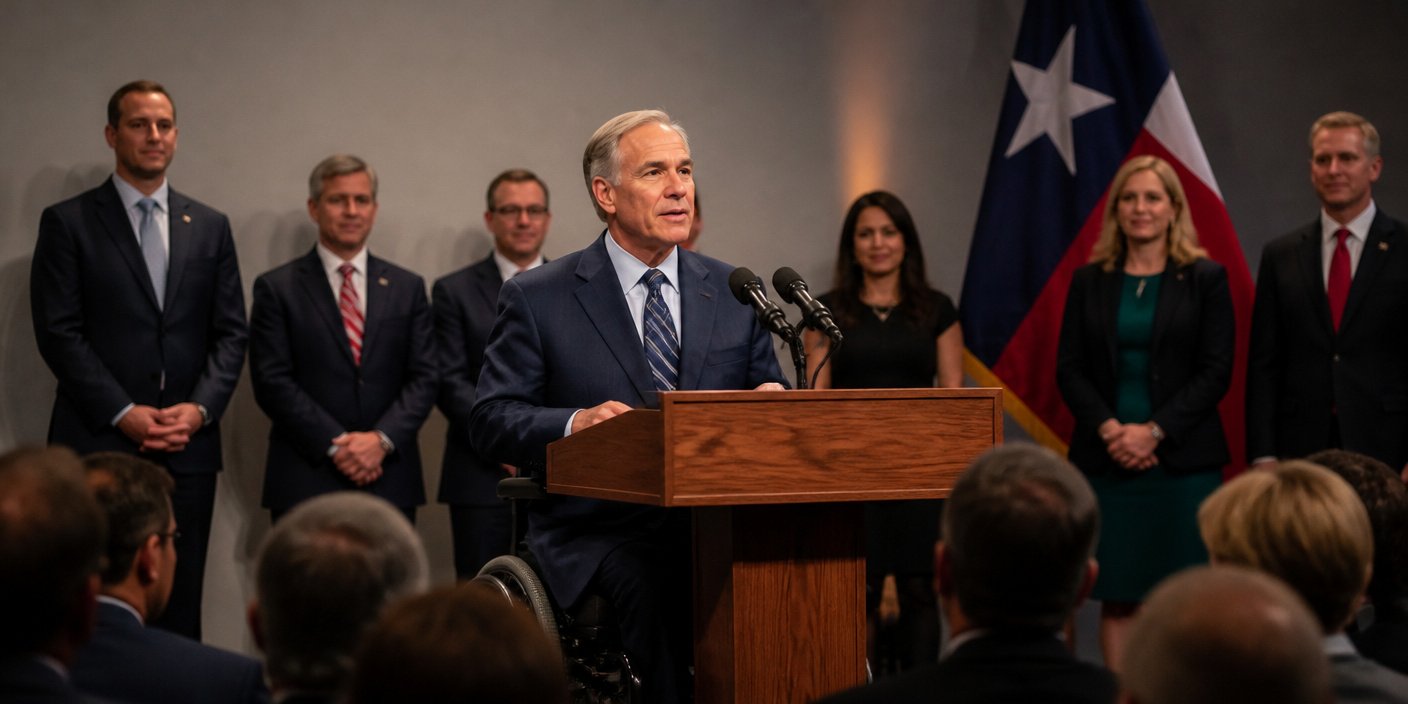
Governor Greg Abbott has launched a tactical offensive in the final weeks of the gubernatorial campaign, zeroing in on a contentious claim that his opponent, Gina Hinojosa, has previously voted in support of implementing a state income tax. This accusation, which has become the centerpiece of the Abbott campaign’s closing narrative, is designed to mobilize fiscally conservative voters and cast doubt on the economic platform of the Democratic challenger. By framing the election as a clear choice between continued tax-free growth and the potential for new state levies, the incumbent is aiming to solidify his base in a high-stakes electoral environment.
Key Highlights
- The Core Accusation: Governor Greg Abbott alleges that Gina Hinojosa’s voting record in the Texas Legislature indicates support for a state income tax, a claim Hinojosa has vehemently denied.
- Strategic Positioning: The focus on taxation serves as a primary campaign wedge issue, intended to drive voter turnout among fiscal conservatives concerned about potential tax hikes.
- State Economic Context: Texas remains one of the few states in the U.S. without a personal income tax, a policy protected by the state constitution since 1993, making any hint of income tax legislation a “third rail” in Texas politics.
- Campaign Escalation: As the election enters its final weeks, both camps are intensifying their scrutiny of legislative records to sway undecided voters on the economy.
The Taxation Battleground in Texas Politics
To understand why a dispute over income tax has taken center stage in the current gubernatorial race, one must look at the unique fiscal DNA of Texas. For decades, the absence of a state personal income tax has been a pillar of the Texas “economic miracle” narrative—a selling point used to attract businesses, high-net-worth individuals, and industry giants to the state. The Texas Constitution, under Article 8, Section 24, requires voter approval for any personal income tax, creating an incredibly high barrier for any lawmaker attempting to implement one.
Governor Abbott’s decision to focus his campaign on this specific issue is a calculated move to leverage this deep-seated public sentiment. By accusing Hinojosa of supporting an income tax, the Abbott campaign is attempting to move the debate away from other hot-button issues, such as education spending or border infrastructure, and onto the pocketbook concerns of the average Texan. In political science terms, this is a classic “valence issue” strategy: taking a topic that is universally disliked—tax hikes—and tying it to an opponent’s past performance.
Legislative Records and Rhetorical Warfare
The central tension of this campaign drama lies in the interpretation of legislative voting records. The Abbott campaign points to specific budgetary votes and committee assignments where they claim Hinojosa signaled an openness to alternative revenue streams, which they equate to a “hidden” income tax agenda. Conversely, Hinojosa has challenged the Governor to produce any concrete piece of legislation she has supported that would explicitly establish an income tax.
This debate highlights a recurring phenomenon in modern state politics: the blurring of lines between fiscal policy discussions and political fear-mongering. When lawmakers discuss “revenue diversification” or “broadening the tax base” in committee hearings, their opponents often translate these nuanced technical discussions into accusations of impending tax burdens. The electorate is left to navigate a minefield of conflicting interpretations, where the truth is often buried under layers of campaign-generated noise.
The Economic Implications of the Debate
Beyond the political maneuvering, the discourse brings to light legitimate questions about the sustainability of Texas’s current revenue model. Texas relies heavily on property taxes and sales taxes to fund state services, including public education and infrastructure. As the state’s population continues to boom, the pressure on this model is mounting. Economists have long debated whether relying solely on property and sales taxes creates a regressive system that disproportionately impacts low- and middle-income families, or whether the pro-growth, no-income-tax environment is the essential catalyst for the state’s prosperity.
While the Abbott campaign argues that the state’s fiscal house is secure, and that any shift toward income tax would destroy the Texas competitive advantage, his critics—including those within Hinojosa’s camp—argue that the current reliance on local property taxes has led to an unsustainable burden on homeowners. This is where the campaign rhetoric hits a nerve. The average voter is concerned about rising property tax bills, and by focusing the conversation on the threat of an income tax, Abbott is effectively shifting the blame for current fiscal woes toward the specter of a Democratic tax-and-spend platform.
Navigating the Final Campaign Stretch
The final weeks of any gubernatorial campaign are defined by a “race to the bottom” regarding negative messaging, and this cycle is no exception. As both candidates sprint toward the finish line, the intensity of these claims will likely increase. Voters should expect to see more targeted advertisements, mailers, and social media blitzes designed to reinforce the narrative of the “tax-hungry opponent” on one side and the “out-of-touch incumbent” on the other.
For the electorate, the key is to look past the slogans. Understanding the actual legislative mechanics of Texas tax policy reveals that no single candidate—not even a Governor—can unilaterally impose an income tax. It would require a major legislative overhaul and, crucially, a public vote. However, the political reality is that once the seed of doubt is planted in a voter’s mind, the nuanced truth rarely matters as much as the emotional reaction to the threat.
As election day approaches, this focus on the “income tax vote” stands as a testament to the power of rhetoric over reality. It is a defining feature of modern electoral competition, where the goal is less about winning a policy debate and more about defining the opponent in the eyes of the public. Whether this strategy will be enough to move the needle in the Governor’s favor remains to be seen, but it has undoubtedly succeeded in dominating the closing headlines.
FAQ: People Also Ask
Q: Does Texas currently have a personal income tax?
A: No, Texas is one of seven states in the United States that does not collect a personal income tax. This is enshrined in the state constitution, which requires a public vote to change.
Q: Can a Governor single-handedly implement an income tax in Texas?
A: No. Any change to the state’s tax structure regarding personal income would require a constitutional amendment, which must be passed by the legislature and then approved by a majority of Texas voters in a statewide election.
Q: What is the source of the Abbott campaign’s claim?
A: The Abbott campaign cites specific past legislative votes and committee stances by Gina Hinojosa, arguing that these actions represent a willingness to entertain new tax structures, which they categorize as equivalent to supporting an income tax.
Q: Is property tax the main alternative to income tax in Texas?
A: Yes. Texas relies heavily on sales tax and local property taxes to fund government services. This reliance is the primary driver of property tax debates within the state.