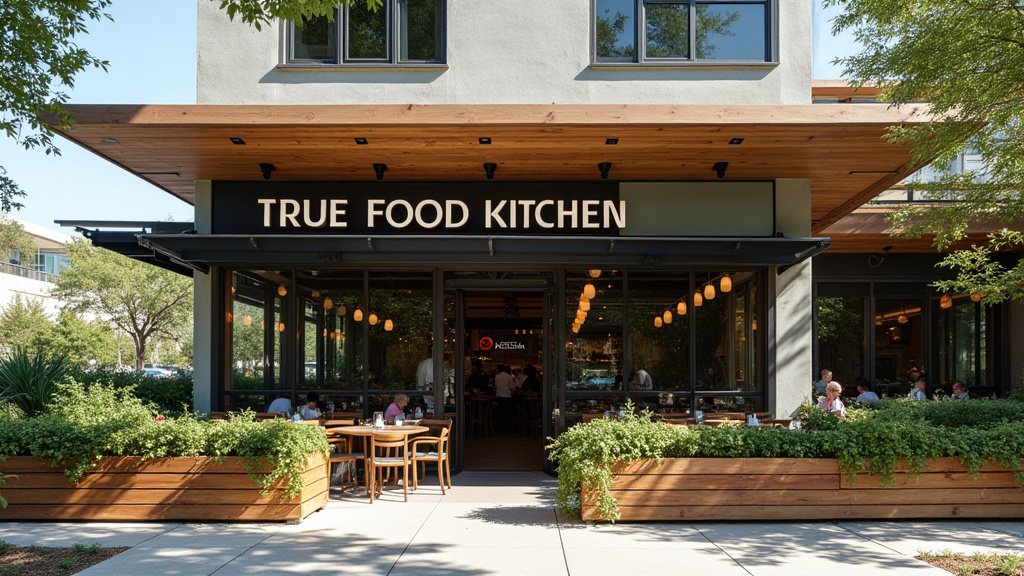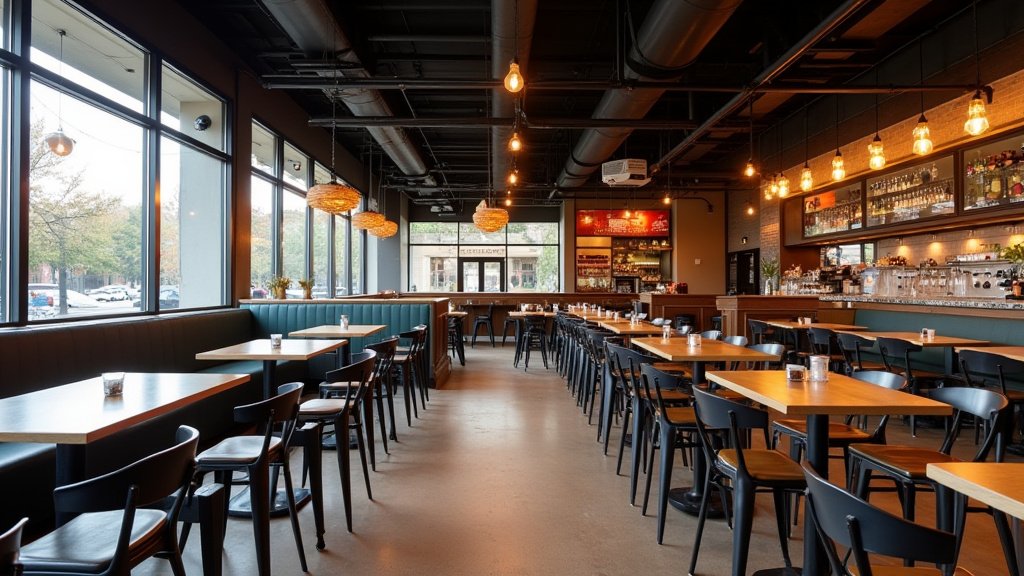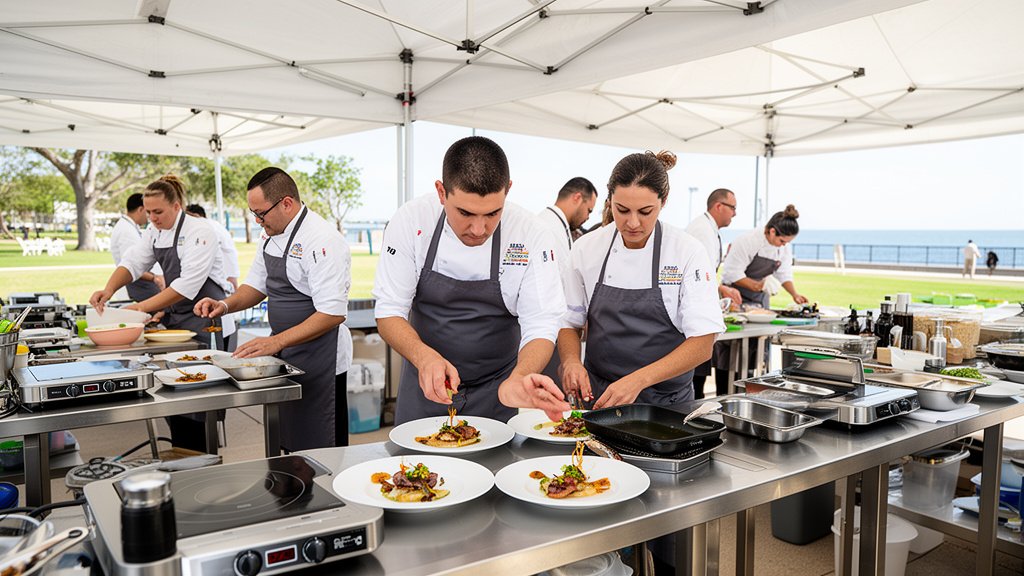

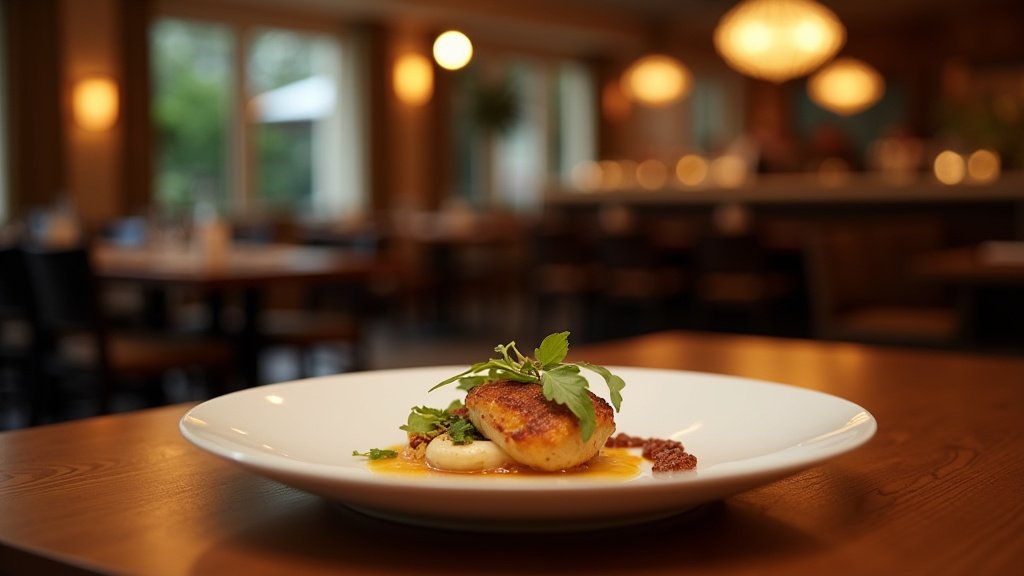
The 2026 MICHELIN Guide Texas has officially been unveiled, marking the third consecutive year that the prestigious publication has surveyed the state’s culinary landscape. This year’s release significantly bolsters the region’s reputation, with three new restaurants earning the coveted One MICHELIN Star designation, bringing the total number of starred establishments in the state to 19. From the sophisticated techniques of modern tasting menus to the elevation of traditional Texas barbecue, the 2026 guide reflects a diverse and maturing restaurant culture that continues to capture international attention.
Key Highlights
- Three New Stars: Fabrik (Austin), Goldee’s Bar-B-Q (Fort Worth), and Kappo Kappo (Austin) have been awarded One MICHELIN Star.
- Statewide Growth: The Lone Star State now boasts a total of 19 MICHELIN-starred establishments.
- Expanded Recognition: The 2026 list includes 6 new Bib Gourmand recipients and 16 new recommended restaurants.
- Culinary Scale: In total, the 2026 guide recognizes 149 eateries across Texas, showcasing the depth and breadth of the state’s gastronomic offerings.
The Evolution of the Texas Culinary Identity
The arrival of the 2026 MICHELIN Guide Texas signifies more than just a list of accolades; it represents the solidification of Texas as a premier global dining destination. By awarding stars to establishments that range from high-concept omakase to smokehouse perfection, Michelin inspectors are signaling that the Texas culinary identity is not monolithic but multifaceted. This year’s selections illustrate a shift toward a more nuanced appreciation of both technical rigor and cultural heritage.
Analyzing the New Star Holders
The headline of this year’s guide is undoubtedly the induction of three distinct powerhouses into the starred tier. Fabrik, located in Austin, has garnered acclaim for its modern, vegetable-forward approach, challenging the traditional paradigms of fine dining by prioritizing local, seasonal produce with exquisite precision. Its inclusion highlights a broader trend toward sustainable, plant-conscious luxury in Texas.
Perhaps most indicative of the state’s unique character is the One MICHELIN Star awarded to Goldee’s Bar-B-Q in Fort Worth. By recognizing a smokehouse of this caliber, the guide validates the craft of Texas barbecue as a legitimate fine-dining pursuit, emphasizing that meticulous preparation, sourcing, and technique are as critical to a star-worthy experience as a linen-tablecloth environment. Finally, Kappo Kappo in Austin rounds out the list, representing the state’s increasing mastery of international cuisines. Their approach to the omakase format brings a refined, technical discipline to the capital city’s dining scene, further diversifying the flavor profile of the state’s top-tier establishments.
The ‘Bib Gourmand’ Effect and Accessibility
While the stars garner the headlines, the inclusion of 6 new Bib Gourmand recipients is arguably more impactful for the average diner. The Bib Gourmand distinction is awarded to restaurants that offer high-quality food at an accessible price point, effectively democratizing the Michelin experience. This tier serves as a vital indicator for locals and tourists alike, suggesting that great culinary experiences in Texas do not require a heavy financial burden. These additions, combined with 16 new recommended restaurants, prove that the Michelin inspectors are digging deeper into neighborhood favorites, highlighting spots that might otherwise fly under the radar of international critics.
The Economic and Cultural Ripple
The designation of 149 total recognized eateries across the state has profound implications for local economies. Historically, cities awarded a MICHELIN Guide presence experience a distinct ‘Michelin effect,’ characterized by increased culinary tourism and a heightened focus on hospitality standards. Restaurateurs across Texas are already noting that the guide encourages a ‘rising tide’ scenario, where the presence of international standards forces a competitive, yet collaborative, lift in quality across the entire hospitality ecosystem. Chefs are investing more in sourcing, staff training, and atmosphere, knowing that the guide’s inspectors are perennially scouting for excellence.
Looking Toward the Future of Texas Dining
As we look ahead, the 2026 guide provides a roadmap for the state’s trajectory. We are seeing a move away from the ‘bigger is better’ philosophy that once defined Texas dining, replaced by a ‘better is better’ mentality. The state is no longer just importing culinary talent; it is incubating it. The recognition of these 19 starred establishments suggests that the next few years will see increased investment in experimental concepts and niche cuisines. For the diner, this means an increasingly vibrant landscape where the barriers between casual eats and fine dining continue to blur, ultimately creating a more inclusive and exciting gastronomic future for the state.
FAQ: People Also Ask
Q: What exactly does a One MICHELIN Star represent in the 2026 guide?
A: A One MICHELIN Star is awarded to restaurants that the guide considers to have ‘high-quality cooking, worth a stop.’ It is the first tier of the star system, recognizing technical precision and consistent quality.
Q: How does the ‘Bib Gourmand’ differ from a MICHELIN Star?
A: A Bib Gourmand is not a star, but a recognition of ‘good quality, good value cooking.’ It specifically highlights restaurants where diners can enjoy a high-quality meal at a more moderate price point compared to starred establishments.
Q: Does the 2026 guide cover all of Texas?
A: The guide focuses on the primary metropolitan hubs of Texas, where the concentration of high-end, high-quality, and diverse restaurant concepts is the densest, though it continues to scout beyond city centers as the state’s culinary scene expands.
Q: How does a restaurant get into the Michelin Guide?
A: Michelin inspectors base their decisions on five universal criteria: the quality of the ingredients used, the mastery of flavor and cooking techniques, the personality of the chef in their cuisine, value for money, and consistency between visits.