
Severe weather conditions driven by the remnants of Hurricane Polo have descended upon North Texas, creating a trifecta of infrastructure failure, transportation gridlock, and emergency response strain. The storm system, which migrated inland with significant moisture and instability, has disrupted the daily operations of millions in the Dallas-Fort Worth metroplex. As rainfall totals accumulate and high-velocity winds compromise power transmission lines, local authorities are struggling to manage a rapidly evolving situation.
Key Highlights
- Over 7,500 residents in North Texas currently face power outages due to downed lines and transformer failures.
- Hundreds of commercial flights have been canceled or significantly delayed at Dallas/Fort Worth International Airport (DFW) and Dallas Love Field.
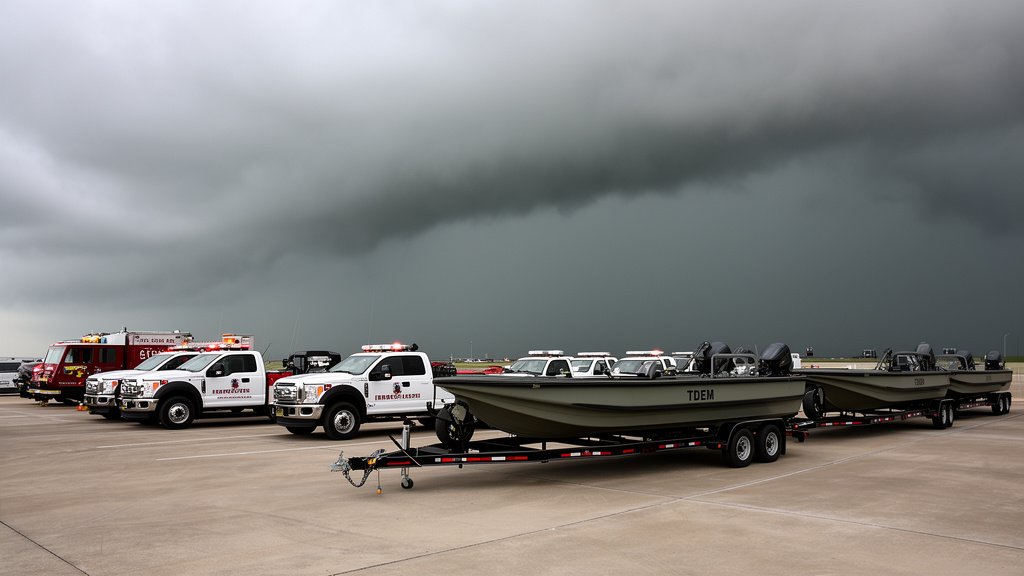
- Fort Worth emergency services have deployed specialized teams to manage a surge in water-related distress calls and vehicle rescues.
- Meteorologists have flagged the remnant system as having anomalous moisture content, leading to rapid localized flooding.
The North Texas Weather Crisis: A Detailed Situation Report
The arrival of the remnants of Hurricane Polo has exposed the underlying vulnerabilities in North Texas’s urban infrastructure. While Texas is accustomed to severe weather, the specific intensity and movement of this system have overwhelmed municipal and logistical response capabilities. The situation is not merely an inconvenience; it is a multifaceted crisis affecting the power grid, global aviation connectivity, and public safety.
Aviation Logistics and Systemic Failure
At the heart of the disruption lies the paralysis of North Texas’s primary airports: DFW and Love Field. These facilities serve as critical nodes in the North American aviation network. When DFW experiences ground stops, the ripple effect extends across the entire continent. Airlines were forced to cancel hundreds of flights as visibility dropped and lightning strikes made ramp operations unsafe for ground crews.
For passengers, this resulted in hours of stagnation in terminals. The logistical challenge is compounded by the fact that flight crews and aircraft are often displaced by such weather events. Even as the storms pass, the aviation industry faces a ‘recovery period’ that can last 24 to 48 hours, as airlines scramble to reposition aircraft and re-crew flights. This event serves as a stark reminder of how sensitive the just-in-time nature of modern air travel is to atmospheric instability.
Infrastructure Strain and Power Grid Vulnerability
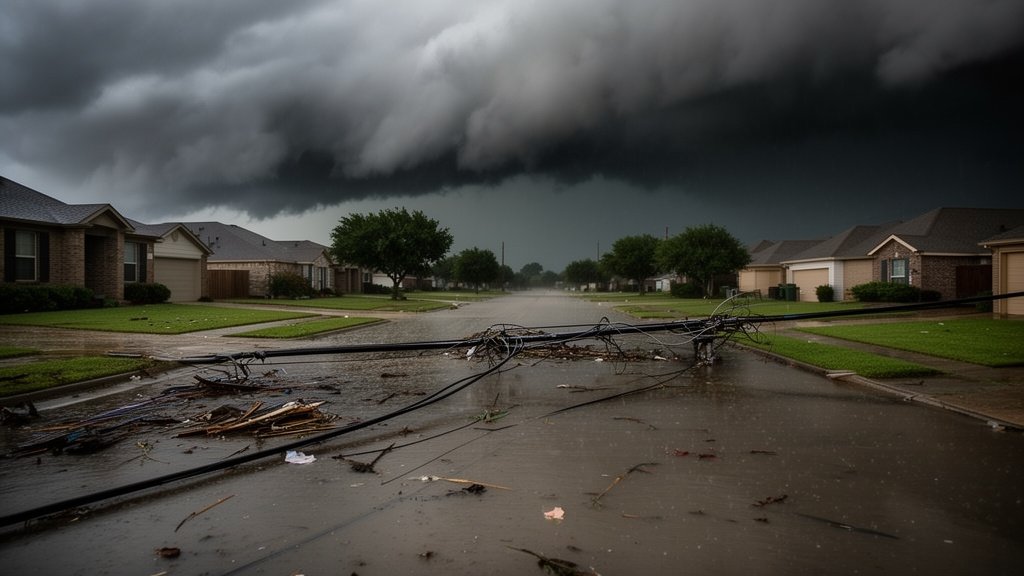
The power outages, affecting more than 7,500 residents, are concentrated primarily in areas with older transmission infrastructure that has not yet been modernized to handle extreme wind shear. Utility providers have reported that the primary causes of these outages are vegetation interference—trees falling onto power lines—and lightning-induced transformer failures.
While the Texas power grid has undergone significant scrutiny in recent years, these localized outages highlight the ‘last mile’ problem: the distribution networks that deliver electricity from major substations to individual homes are often the weakest link during high-wind events. Restoration efforts are currently underway, but crews are operating under difficult conditions, navigating flooded roads and working in darkness, which slows the repair process significantly.
Emergency Management and Urban Safety
Fort Worth has been the epicenter of emergency response efforts. The city’s fire and police departments have been inundated with calls regarding stalled vehicles in high water and structural damage from localized flooding. Municipal planners emphasize that North Texas is prone to ‘flashy’ flooding, where concrete-heavy urban environments cannot absorb rapid rainfall, causing immediate pooling.
Emergency dispatchers have urged citizens to avoid non-essential travel, particularly near underpasses and low-lying drainage basins. The deployment of specialized water rescue teams in Fort Worth underscores the severity of the situation; these units are trained for swift-water environments, a skill set that has become increasingly critical as storm intensity in the region has trended upward over the last decade.
Secondary Angles: Future Resilience and Economic Impact
1. The Infrastructure Paradox: As the metroplex continues to grow, the reliance on legacy grid infrastructure becomes more precarious. This event will likely accelerate debates regarding the undergrounding of power lines in residential areas, a costly but effective mitigation strategy against weather-related outages.
2. The Economics of Cancelation: Beyond the immediate frustration, the financial cost of this aviation shutdown is significant. Airlines face enormous costs in passenger compensation, rebooking, and lost revenue, while local businesses see a dip in productivity and consumer spending.
3. Climate and Meteorological Trends: The remnants of hurricanes are traveling further inland with more energy than in previous decades. This shift suggests that North Texas must recalibrate its disaster preparedness models to anticipate tropical-level moisture events, rather than relying solely on traditional thunderstorm protocols.
FAQ: People Also Ask
Q: How long are the flight cancellations expected to last?
A: While the active weather system is moving through, the ‘recovery window’ for airports like DFW and Love Field typically extends 24 to 48 hours to account for displaced crews and aircraft reassignment. Passengers should check their airline’s app for real-time updates.
Q: Why are there so many power outages in North Texas?
A: The outages are primarily caused by high-wind gusts leading to tree-line interference with power infrastructure and lightning strikes that damage local distribution transformers. Utility crews are currently working to clear debris and replace damaged equipment.
Q: Is it safe to drive in Fort Worth right now?
A: Emergency services strongly advise against travel. With significant reports of high water and localized flooding, navigating roads—especially low-lying areas—remains dangerous and hinders the movement of emergency responders.
Q: Is the power grid officially failing?
A: No. The current outages are localized distribution issues, not a failure of the broader Texas electrical grid (ERCOT). The issue is restricted to local service lines rather than the high-voltage generation or transmission backbone.