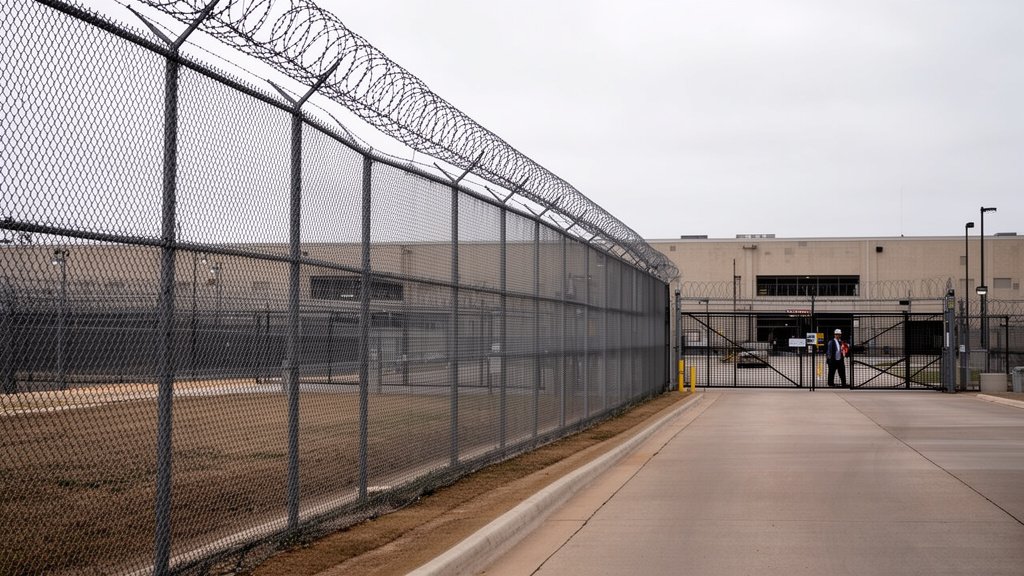
Federal authorities operating under the Trump administration have initiated a significant logistical shift, funneling nearly 90% of undocumented minors in federal custody into Texas facilities. This rapid consolidation of unaccompanied children into a single state has intensified both local and national concerns regarding the state’s capacity to manage the surge and the long-term implications for the federal government’s stated goals regarding mass deportation operations. The movement of these minors, handled primarily through the Office of Refugee Resettlement (ORR) and the Department of Health and Human Services (HHS), represents a critical pivot in federal immigration enforcement strategy.
Key Highlights
- Logistical Consolidation: Nearly 90% of all undocumented minors currently in federal custody are being transferred to facilities within Texas, creating an unprecedented concentration in the border state.
- Mass Deportation Fears: Experts and local advocates argue that the centralization of minors is a precursor to an accelerated processing pipeline intended to facilitate swift deportation protocols.
- Infrastructure Strain: Texas state authorities have raised alarms regarding the capacity of existing shelters and the ability of local infrastructure to manage the sudden influx of resources and personnel.
- Federal-State Tension: The shift highlights growing friction between federal directives and the logistical reality on the ground, as Texas attempts to balance federal compliance with local resource constraints.
The Logistical Pivot: Why Texas?
The decision to route the overwhelming majority of unaccompanied minors to Texas centers on geographical proximity and existing administrative infrastructure. By concentrating the processing pipeline in a single state, federal officials aim to streamline the transition between immigration apprehension, processing, and the execution of removal proceedings. However, this strategy has created a severe bottleneck. The sheer volume of minors currently being processed is testing the limits of non-governmental organizations (NGOs) and state-contracted shelters that have historically operated as a decentralized network across the United States.
The Mechanics of Centralization
For the Office of Refugee Resettlement, the primary challenge has always been the placement of minors with sponsors or within long-term care facilities. Under the new directive, the goal appears to be the reduction of transit times between the border and the final decision-making authority. By keeping minors within the Texas ecosystem, federal officials can theoretically expedite the legal review process. Yet, immigration attorneys and child welfare advocates warn that this “processing hub” approach often comes at the expense of comprehensive legal protections and the thorough vetting required to ensure the safety of minors during placement.
The Shadow of Mass Deportations
There is a palpable anxiety among immigration advocacy groups that the concentration of minors is inherently linked to the Trump administration’s overarching “mass deportation” agenda. If the federal government views Texas as the primary staging ground for the processing of undocumented individuals, the presence of thousands of minors becomes a logistical variable that must be resolved quickly to clear the pipeline for adult processing. Critics argue that the infrastructure being built or repurposed in Texas is designed to operate under an accelerated timeline, where speed is prioritized over the due process rights of the children involved.
State Preparedness and Political Friction
Texas Governor Greg Abbott and state officials have found themselves in a difficult position. While the state has historically advocated for stricter border enforcement, the sudden, massive influx of minors requires state resources, coordination with school districts, and an increase in local social services that were not prepared for such a significant shift in federal policy. This has led to a paradoxical situation where the state government is both aligned with the administration’s deportation goals and increasingly concerned about the chaotic impact of such a rapid operational change on its own state budget and social stability.
The Humanitarian Concerns
Beyond the politics, the humanitarian concern remains the most pressing issue. With 90% of minors being pushed into a single region, local shelters are reporting overcrowding and a decrease in the per-child quality of care. Medical and psychological services, which are critical for children who have often experienced significant trauma, are being stretched thin. Advocates fear that the rush to process these individuals could lead to “assembly line” handling, where children are placed in homes or institutions without the necessary screening to prevent human trafficking or exploitation.
FAQ: People Also Ask
Q: Are these children being deported immediately upon arrival in Texas?
A: While the policy is designed to accelerate processing, current legal frameworks still require due process. However, the centralization is intended to shorten the duration between arrival and final legal disposition, which may lead to faster removal orders.
Q: Why is Texas the specific target for 90% of these minors?
A: Texas shares the longest border with Mexico, making it the primary point of entry. By keeping minors in Texas, federal officials are minimizing internal transport costs and complexities, though this puts immense pressure on state facilities.
Q: Does this shift imply a new law has been passed?
A: No. This shift is a matter of administrative policy and logistical resource allocation by the Department of Health and Human Services and Immigration and Customs Enforcement, rather than a new legislative act.
Q: What happens to the children if Texas shelters hit capacity?
A: The administration has indicated it may utilize temporary emergency facilities (such as repurposed event centers or military bases) if the current bed space in state-licensed facilities is exceeded, a move that has drawn significant criticism from child advocates.