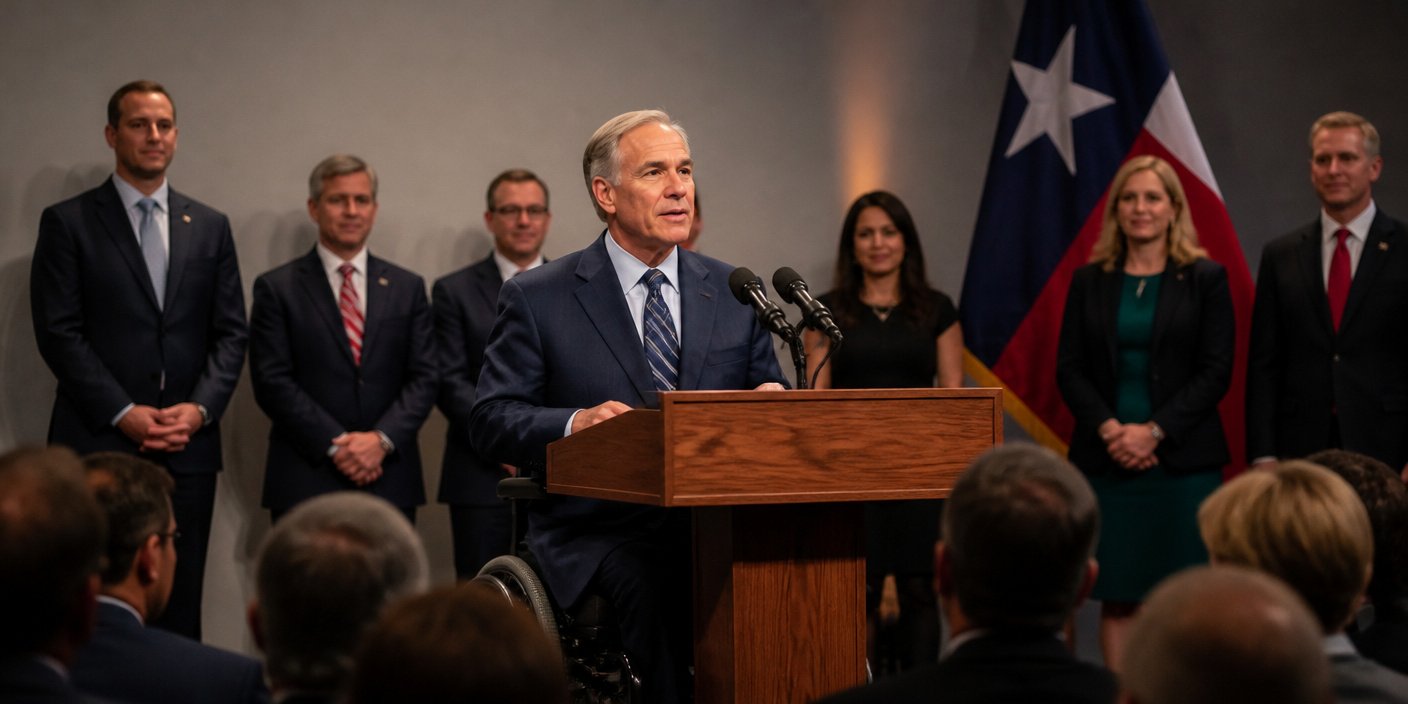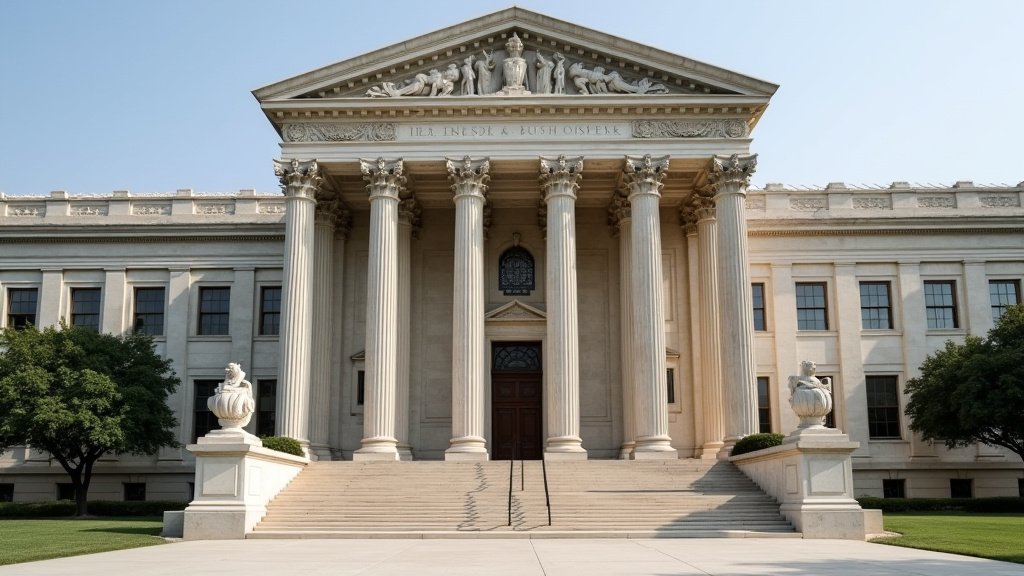
In a decisive legal maneuver, United States District Judge David Hittner has struck down Texas Senate Bill 12 (SB 12), the controversial legislation intended to restrict drag performances in settings where minors might be present. The ruling, which grants a permanent injunction against the law, hinges on fundamental constitutional interpretations, specifically the protection of free speech under the First Amendment. This decision marks a significant development in the ongoing legal battle between civil rights organizations, such as the American Civil Liberties Union (ACLU), and the state of Texas, represented by Attorney General Ken Paxton. The court’s opinion clarifies that the state cannot use legislative authority to broadly criminalize expressive conduct that does not meet the legal threshold for obscenity.
Key Highlights
- Permanent Injunction Issued: Judge David Hittner ruled that SB 12 is unconstitutional, permanently blocking its enforcement across the state.
- First Amendment Violations: The court determined the law was impermissibly vague and overbroad, effectively suppressing protected free speech.
- Attorney General Response: Texas Attorney General Ken Paxton has formally stated his intention to appeal the ruling, signaling that the legal conflict will proceed to the 5th Circuit Court of Appeals.
- Defining Obscenity: The ruling reinforces that drag performances—as a form of theater and performance art—do not inherently qualify as obscene, placing the burden of proof on the state to demonstrate otherwise.
The Constitutional Crisis: Anatomy of the SB 12 Ruling
The invalidation of Senate Bill 12 by the United States District Court for the Southern District of Texas represents a pivotal clash between state legislative power and constitutional protections. At the heart of Judge Hittner’s decision is the doctrine of overbreadth. The law, as drafted by the Texas legislature, sought to restrict “sexually oriented performances” in the presence of minors. However, legal experts and the plaintiffs—a coalition that included various drag performers, venue owners, and the ACLU—argued that the statutory language was so imprecise that it could be interpreted to criminalize standard theatrical productions, cheerleading, and even standard musical performances if they involved cross-dressing or exaggerated gender expression.
The Legal Argument Against Vague Statutes
Judge Hittner’s opinion emphasized that the law failed to satisfy the “strict scrutiny” standard. When the government attempts to restrict speech based on content, it must prove that the restriction is narrowly tailored to achieve a compelling government interest. The court found that SB 12 failed on both fronts. By attempting to define a broad category of performance without clear, objective criteria, the law created a “chilling effect,” forcing venue owners to cancel bookings or close their doors entirely to avoid the risk of criminal penalties. This uncertainty was flagged by the court as a primary reason for the constitutional invalidation.
Entities and the Legal Landscape
To understand the magnitude of this case, one must consider the entities involved. The ACLU of Texas spearheaded the litigation, arguing that the legislation targeted a specific cultural group for disparate treatment. Attorney General Ken Paxton has consistently championed the bill as a necessary protection for children. However, the legal weight of the United States District Court decision highlights the high bar required to restrict public expression in the United States. The 5th Circuit Court of Appeals now stands as the next critical venue for this debate, where the interpretation of “obscenity” versus “artistic expression” will likely be dissected further.
The Secondary Angle: The Economic Ripple Effect
The legal debate often centers on ideology, but the economic reality of the “chilling effect” is equally profound. For small venues, bars, and theaters, the passage of SB 12 created a high-risk operational environment. Many establishments, fearing litigation or police intervention, preemptively stopped booking drag events. This forced cancellation of performances impacted local economies, reducing revenue for hospitality businesses and limiting income for performers. The ruling provides a temporary reprieve, but the lingering shadow of a potential appeal continues to create a climate of instability for cultural venues that rely on diverse programming to survive.
Historical Precedents: Performance and Obscenity
Historically, American law has struggled to define the boundary between protected speech and criminal obscenity, as established by the Supreme Court’s Miller v. California test. The SB 12 case is a modern iteration of this tension. By attempting to codify a prohibition based on gender presentation rather than explicit sexual acts, Texas sought to create a new category of legal restriction. The federal court’s rejection of this attempt reaffirms that the state cannot bypass the Miller test by relabeling artistic performance as inherently obscene due to the gender identity of the performer. This ruling aligns with broader federal jurisprudence that has historically protected theatrical performance as a form of expression.
Future Predictions: The 5th Circuit Battlefield
The road ahead involves a protracted appellate process. The 5th Circuit Court of Appeals is generally viewed as conservative, which complicates the future for plaintiffs. If the appellate court decides to stay the injunction or ultimately reverse Judge Hittner’s decision, the legislation could be reinstated. However, the existing record of the case, which includes comprehensive testimony regarding the nature of drag as a non-obscene art form, provides a robust basis for the plaintiffs. Observers suggest that the ultimate resolution may eventually require a Supreme Court intervention, given the conflicting legislative efforts across various states attempting to restrict drag performances.
FAQ: People Also Ask
Q: Why was Senate Bill 12 struck down by the court?
A: Judge David Hittner ruled that the law was unconstitutionally overbroad and vague. He found that it violated the First Amendment by potentially criminalizing protected speech and expression that did not meet the legal definition of obscenity.
Q: Does this ruling allow drag shows to continue in Texas?
A: Yes, with the permanent injunction in place, the law is currently unenforceable. Venues and performers can proceed with shows without the threat of criminal prosecution under the statutes of SB 12.
Q: Is this the end of the legal battle regarding drag bans in Texas?
A: No. Attorney General Ken Paxton has expressed his intent to appeal the ruling. The case will move to the 5th Circuit Court of Appeals, where the state will attempt to overturn the injunction. The legal process is expected to continue for some time.
Q: What is the primary argument used by supporters of the law?
A: Proponents, including the Attorney General, argue that the law is a necessary measure to protect children from exposure to sexually explicit performances. They contend that the state has a compelling interest in regulating such environments.