The construction of border wall infrastructure in the remote Big Bend region of Texas has sparked a significant, albeit unexpected, wave of bipartisan opposition within the state legislature. While border security remains a polarized issue in American politics, this specific pushback demonstrates a rare moment of alignment between lawmakers across the aisle, who argue that the deployment of heavy industrial barrier systems in one of the state’s most ecologically sensitive and remote areas carries costs that outweigh the tactical benefits. This development marks a notable escalation from previous legal and procedural challenges, moving into the realm of direct public confrontation regarding state-led border initiatives.
The Bipartisan Shift in Strategy
For years, the discourse surrounding the Texas-Mexico border has been defined by rigid party-line voting. However, the Big Bend construction project—a key component of the state’s broader border enforcement efforts—has introduced a new variable: regional preservation. The bipartisan coalition of lawmakers expressing criticism is largely composed of legislators representing rural districts and those with constituencies deeply tied to the tourism and conservation sectors. They argue that the rugged, mountainous topography of the Big Bend makes wall construction not only logistically inefficient but also culturally and environmentally incongruous with the landscape. By framing their opposition around property rights, environmental impact, and the preservation of Texas heritage, these lawmakers have successfully bridged the gap between typically divergent political ideologies, creating a unified front that demands greater transparency and a re-evaluation of the current construction roadmap.
Environmental and Historical Stakes in the Chihuahuan Desert
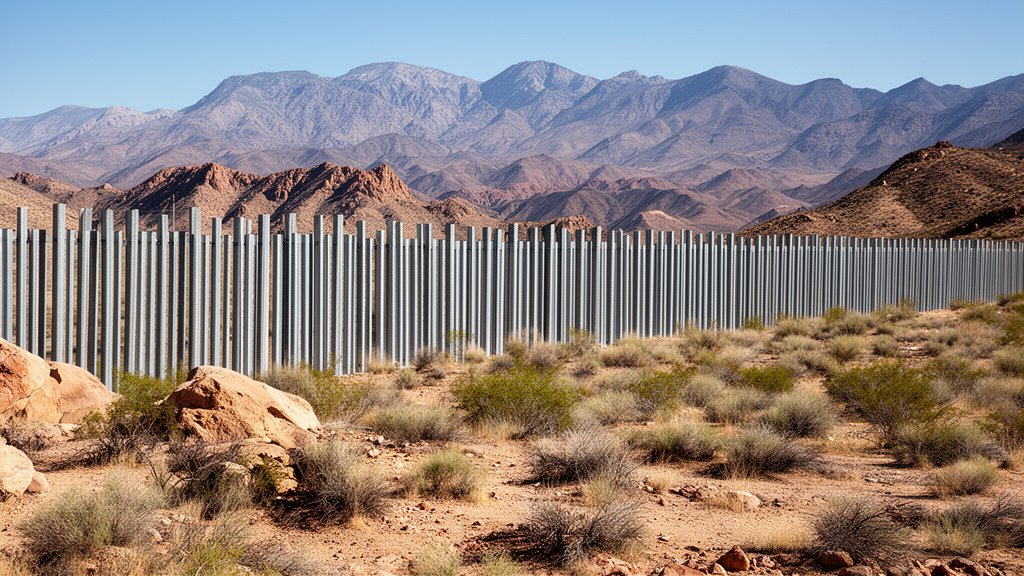
The Big Bend region, home to the Big Bend National Park, is a globally recognized ecological treasure, containing vast sections of the Chihuahuan Desert. It is a critical corridor for wildlife migration, including species that are sensitive to the fragmentation of their habitat. Legislators involved in the criticism have highlighted that the installation of steel bollard fencing—the standard design used in current border projects—acts as a significant barrier to local fauna, disrupting migratory patterns that have existed for millennia. Furthermore, the region is steeped in historical significance, from Indigenous archaeological sites to the early pioneer heritage of West Texas. Critics argue that the heavy construction required to install barriers in such difficult, mountainous terrain causes irreparable damage to the soil composition and natural aesthetics that define the area. The coalition has requested a detailed environmental impact study to assess how these interventions alter the landscape, suggesting that such studies were bypassed or minimized in the rush to secure the border.
The Friction of Jurisdictional Overlap
The conflict is further complicated by the intersection of state and federal authority. While the state of Texas has taken an aggressive posture with its own border initiatives, the federal government maintains jurisdiction over international borders and significant portions of public land within the national park system. The bipartisan group of lawmakers has emphasized that the state’s aggressive construction strategy encroaches upon these established boundaries, creating a tangled web of legal vulnerabilities. They argue that the unilateral nature of the construction avoids the necessary federal coordination, thereby exposing the state to potential litigation from environmental groups and federal agencies. This legal volatility is a primary concern for legislators who prioritize long-term fiscal responsibility, as they fear that state taxpayers may ultimately be on the hook for expensive, court-mandated remediation efforts if the construction is found to violate federal land management or environmental statutes.
Economic Implications for the Tourism Sector
Beyond the environmental and legal arguments, the coalition has drawn attention to the economic impact of the project on the regional tourism industry. The Big Bend area is a primary engine for the local economy, attracting hundreds of thousands of visitors annually to communities like Terlingua, Lajitas, and Marathon. Tourism operators and local business owners have expressed concerns that the presence of high-security, industrial-grade fencing detracts from the “wild” experience that draws travelers to the region. The lawmakers argue that by industrializing the border, the state risks alienating this vital revenue stream. The economic argument provides a pragmatic, non-ideological basis for the bipartisan alliance, linking the conservationist argument to the livelihood of constituents. The legislators are calling for a “surgical approach” to border security that utilizes surveillance technology and personnel rather than permanent, physical barriers, which they claim would provide effective security without the aesthetic and economic drawbacks of a concrete-and-steel wall.
Future Outlook and Legislative Pressure
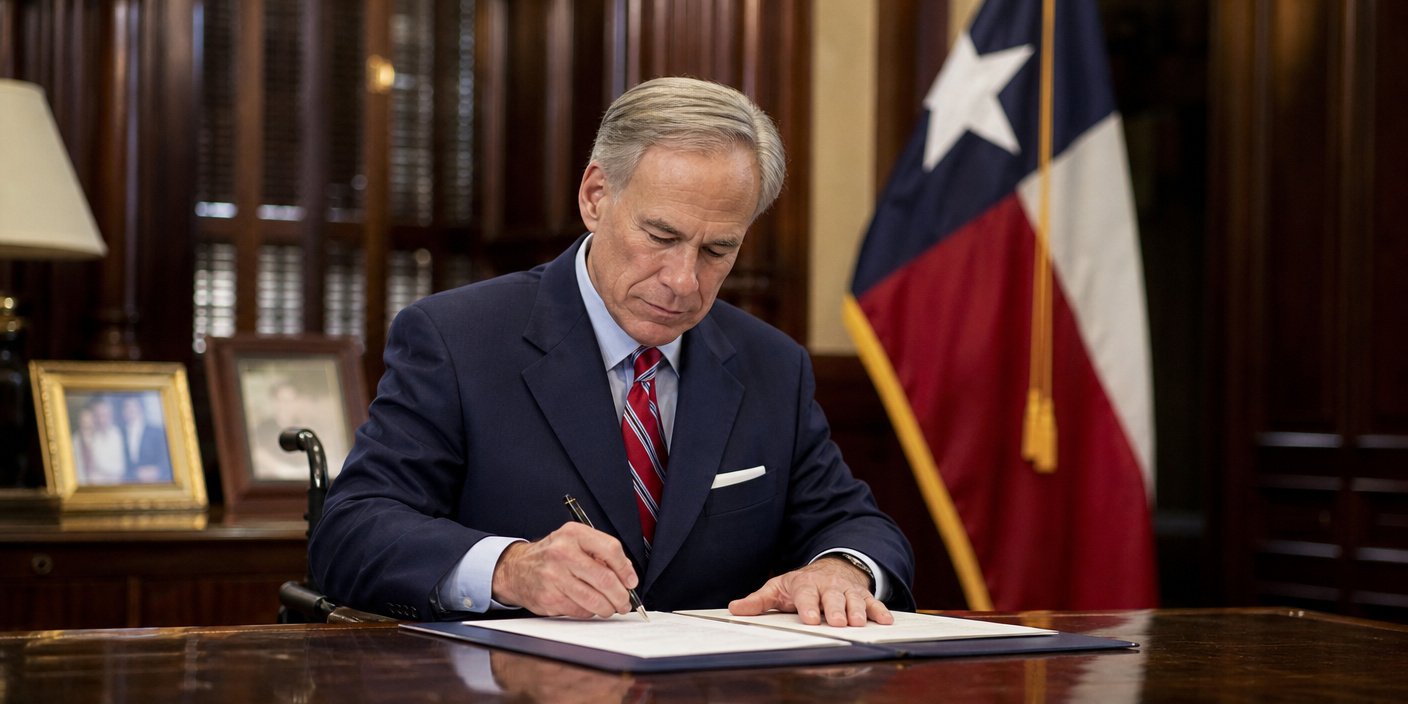
As the coalition intensifies its oversight efforts, the immediate future of the Big Bend border project remains uncertain. The lawmakers have indicated plans to introduce legislation requiring increased legislative approval for border-related construction projects that take place on or near protected land. This move suggests a shift toward asserting more legislative control over the executive branch’s border operations. While Governor Greg Abbott’s administration has maintained that the border wall is a necessary response to the national crisis, the bipartisan pressure is mounting. The coalition is not just asking for a pause; they are demanding a fundamental re-evaluation of the strategy, insisting that the sovereignty of Texas includes the protection of its natural treasures as much as the integrity of its borders. Whether this pushback will result in a design change or a total halt to construction in the most sensitive sectors of Big Bend remains the central question facing the legislative body in the upcoming session.