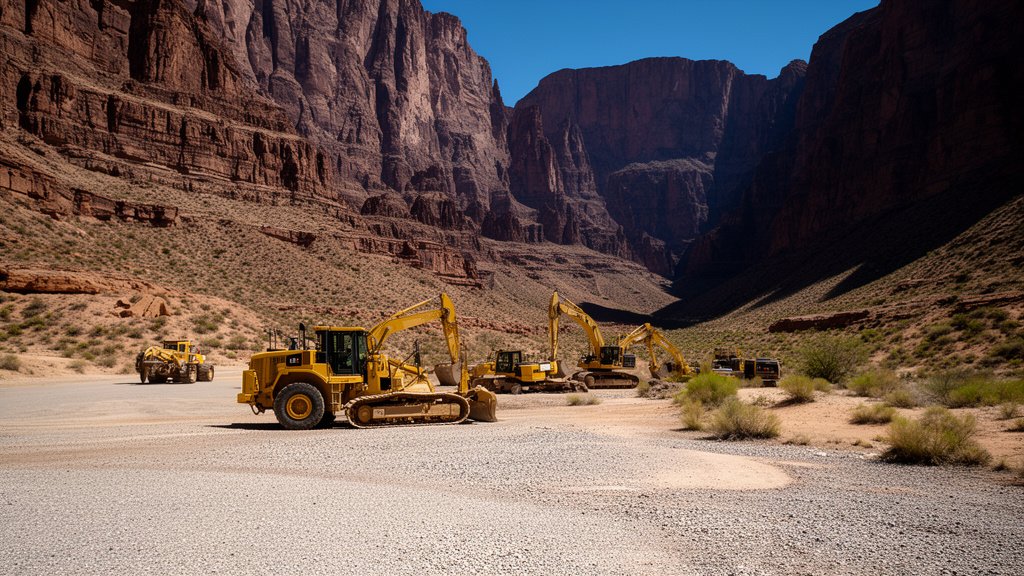
A coalition of tribal nonprofit groups, environmental organizations, and outdoor advocates has launched a formal legal challenge to halt the construction of federal border wall infrastructure within the boundaries of Big Bend National Park. The legal action follows urgent reports from local residents and field monitors who observed heavy machinery and bulldozers operating in close proximity to the world-renowned Santa Elena Canyon, a critical ecological and cultural site within the park’s protected wilderness.
Key Highlights
- Legal Action: A coalition, spearheaded by advocacy groups including the Big Bend Conservation Alliance, has filed a lawsuit seeking an immediate injunction against Department of Homeland Security (DHS) activities.
- Geographic Sensitivity: Construction efforts have been concentrated near the Santa Elena Canyon, one of the most ecologically diverse and visually iconic sections of the Rio Grande.
- Core Grievance: Plaintiffs allege the project violates the National Environmental Policy Act (NEPA) and fails to adequately account for the disruption of endangered species and sacred tribal cultural sites.
- Federal Conflict: The dispute highlights the tension between federal border security mandates and the statutory protections governing U.S. National Parks.
Preservation vs. Perimeter: The Battle for Big Bend
The landscape of Big Bend National Park is not merely a collection of arid topography; it is a repository of geological history, archaeological significance, and a biodiversity corridor that bridges the United States and Mexico. The recent move by federal contractors to mobilize heavy machinery near the Santa Elena Canyon—a site characterized by 1,500-foot limestone cliffs and a vital riparian zone—has triggered a fierce reaction from stakeholders who view the construction as an irreparable encroachment upon protected federal land.
The Legal Basis of the Complaint
The plaintiffs argue that the current construction efforts are proceeding without the necessary environmental assessments typically required for infrastructure projects within National Park Service (NPS) managed lands. By leveraging the National Environmental Policy Act (NEPA), the legal coalition is demanding that the federal government pause all activity to conduct a comprehensive Environmental Impact Statement (EIS).
“The construction of a physical barrier in such a fragile, internationally significant ecosystem without transparent public consultation or robust environmental scrutiny sets a dangerous precedent,” stated a representative of the Big Bend Conservation Alliance. The lawsuit contends that the waivers of environmental laws often utilized by the Department of Homeland Security (DHS) in border regions are being applied too broadly, infringing upon the specific, heightened protections afforded to National Park units.
Ecological and Cultural Consequences
Beyond the bureaucratic process, the ecological stakes are severe. Santa Elena Canyon is a critical refuge for the endangered Big Bend gambusia (a small, rare fish) and serves as a vital corridor for black bears and mountain lions. Wildlife biologists have expressed profound concern that a contiguous, steel-bollard wall would sever migratory paths that have existed for millennia.
Furthermore, the region holds deep cultural significance for Indigenous communities. The coalition includes tribal representatives who assert that the construction disrupts areas of ancestral habitation and spiritual importance. They argue that the machinery—bulldozers and excavators—is physically scarring a landscape protected by law, potentially obliterating undiscovered archaeological artifacts in the process.
The Broader Implications for National Parks
This lawsuit places the National Park Service in an incredibly difficult position. As a federal agency, the NPS is mandated to preserve resources “unimpaired for the enjoyment of future generations.” However, they are simultaneously subject to mandates from the Department of Homeland Security regarding border security.
Legal experts are watching this case closely, as it could establish a landmark ruling on whether the federal government’s authority to secure the border supersedes the legislative protections of the National Park System. If the courts grant an injunction, it could effectively freeze border wall construction in National Park-adjacent lands across the entire Southwest, fundamentally shifting the current trajectory of border enforcement strategy.
Economic and Tourism Impact
Big Bend National Park is a massive economic driver for the rural West Texas region, attracting hundreds of thousands of visitors annually who come specifically for the pristine, undisturbed vistas. Local business owners and tourism operators have joined the chorus of opposition, fearing that industrialization of the border—characterized by high-intensity lighting, constant surveillance, and physical steel barriers—will degrade the “dark sky” experience and the wilderness character that defines the park’s appeal. The economic argument here is unique: while border security is often touted as a necessity, opponents argue that sacrificing one of the nation’s premier tourism assets will cause long-term financial harm to the communities that rely on the park’s untouched aesthetic.
FAQ: People Also Ask
1. Why is there border wall construction happening in a National Park?
Construction is being driven by the Department of Homeland Security and Customs and Border Protection (CBP) under federal mandates to enhance border security. However, environmental and tribal groups argue that these construction mandates do not grant blanket immunity from environmental protection laws that govern National Park land.
2. What is the significance of Santa Elena Canyon in this lawsuit?
Santa Elena Canyon is a focal point because it is one of the most recognizable and sensitive areas of Big Bend. The presence of heavy machinery there poses the highest risk to the unique biodiversity and cultural heritage sites located in that specific, narrow geography.
3. What does the lawsuit hope to achieve?
The coalition is seeking an immediate injunction to stop construction activities. They want the court to force the government to pause, conduct a full Environmental Impact Statement, and engage in meaningful consultation with tribal nations and environmental stakeholders as required by federal law.
4. Have there been similar lawsuits in the past?
Yes, there have been various legal challenges to border wall construction in other parts of the U.S.-Mexico border, such as in Arizona’s Organ Pipe Cactus National Monument. The Big Bend case is unique, however, due to the specific classification of the land and the particular environmental protections applicable to the Rio Grande region.