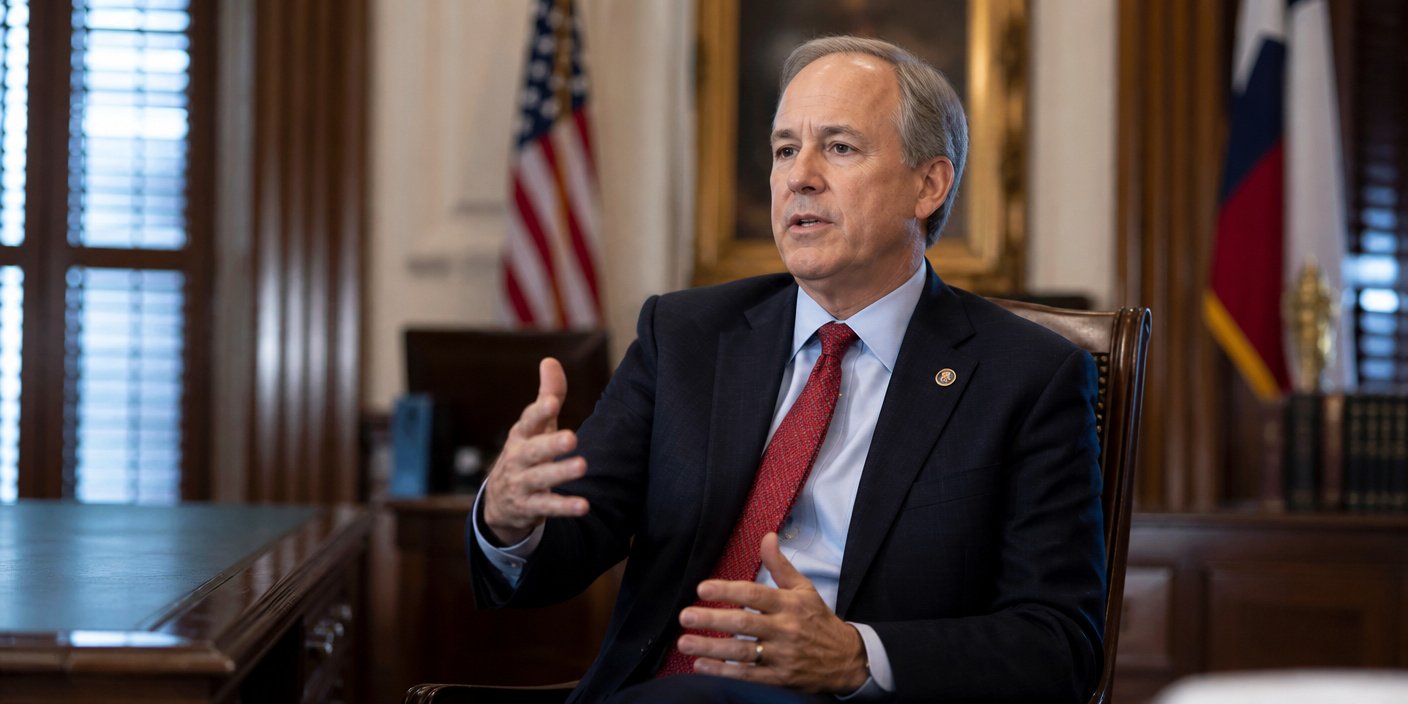

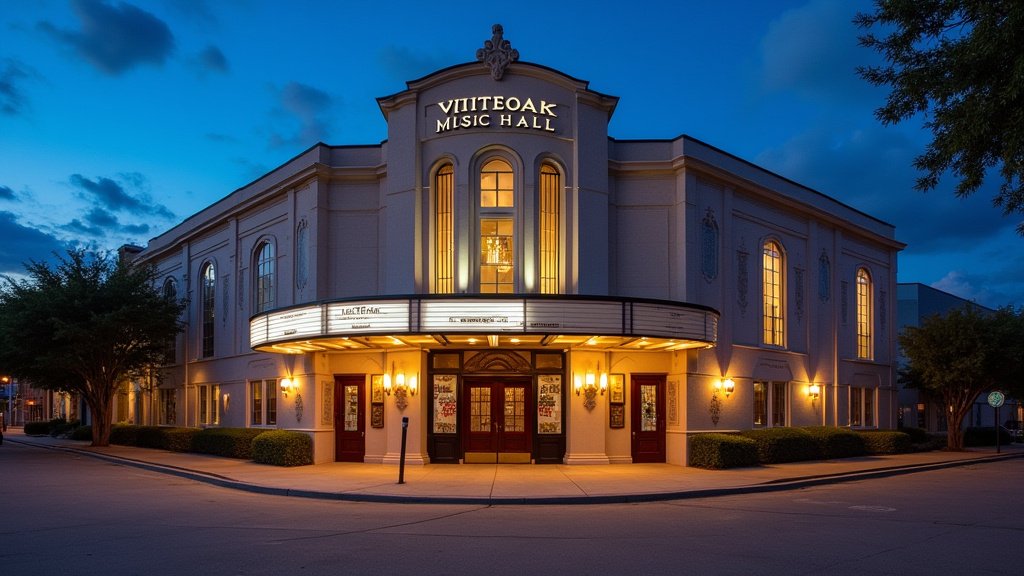
The recent outcry regarding a political fundraiser for Texas Attorney General Ken Paxton held at White Oak Music Hall (WOMH) has ignited a fierce debate in Houston. While the calls for a boycott are driven by political frustration, the reality of the situation—as outlined in a pointed editorial by the Houston Chronicle—suggests that punishing a local venue is not only ineffective as a political protest but potentially damaging to the very community that activists claim to defend. When emotions run high, the nuance of how independent venues operate is often lost, creating a disconnect between political intent and the local economic impact.
Key Highlights
- Venue Neutrality vs. Political Association: Independent concert venues like White Oak Music Hall operate as businesses that rent space, which does not constitute an ideological endorsement of their renters.
- The Economic Ripple Effect: Boycotts aimed at a large-scale political figure like Ken Paxton are unlikely to impact the politician’s campaign, but they significantly affect the income of local gig workers, bartenders, and sound technicians.
- Damage to Local Arts: Such boycotts threaten to destabilize local institutions that are vital to Houston’s cultural landscape and post-pandemic recovery.
- Effective Protest: The Chronicle argues for redirecting political energy toward direct civic engagement rather than targeting private venues that provide essential jobs to the community.
The Misguided Economics of Cultural Boycotts
The Anatomy of the Controversy
The controversy began when it was revealed that Texas Attorney General Ken Paxton utilized White Oak Music Hall for a campaign-related event. For many Houstonians, particularly those politically opposed to Paxton’s platform, the venue’s decision to rent space to the Attorney General was interpreted as tacit support. This triggered a wave of backlash, with calls to boycott the venue, cancel upcoming show tickets, and pressure artists to avoid booking the space. However, this reactionary approach often fails to distinguish between a venue’s business model and the political activities of its clients.
White Oak Music Hall, a cornerstone of the Northside Houston music scene, functions as a private entity that must manage significant overhead costs to remain operational. Like any event space, its business model relies on a diverse range of rentals, from corporate conferences and weddings to political gatherings and concerts. By targeting the venue, critics are penalizing a local business for its participation in a standard commercial transaction. The Houston Chronicle’s analysis emphasizes that these boycotts are rarely successful at altering the political trajectory of high-profile figures like Paxton. Instead, they function as ‘performative outrage’—actions that make the participants feel righteous without inflicting any meaningful financial or political pressure on the target.
The Fragility of Independent Venues
The post-pandemic landscape for live music has been treacherous. Many independent venues have operated on razor-thin margins, struggling to balance rising insurance costs, staffing needs, and the volatile nature of tour scheduling. When a boycott is organized, the entity that feels the sting first is not the politician’s campaign treasury; it is the ecosystem of the venue itself. This includes the sound engineers, the security personnel, the bartenders, and the local opening acts who rely on the venue’s consistent operation to pay their rent.
By discouraging patrons from attending shows at White Oak, the movement essentially punishes a collection of local artists and hourly workers. If a boycott were to successfully undermine the financial stability of the venue, the result would not be a change in political behavior from the Attorney General’s office. Instead, the result would be a diminished cultural scene in Houston. The closure of a major venue leads to fewer job opportunities for local musicians and a reduction in the diversity of acts coming to the city. The damage caused by such a boycott is local and concrete, while the political target remains untouched and unaware.
Rethinking Political Accountability
There is a fundamental misunderstanding regarding how ‘neutral spaces’ function in a democratic society. If independent venues are forced to implement ‘political litmus tests’ for everyone who rents their facility, it would create a slippery slope where venues are forced to declare political allegiances to survive. This does not foster a healthier civic environment; it creates a fragmented one where public discourse is further siloed.
True civic engagement requires focusing on the institutions that hold direct political power, such as the Attorney General’s office itself, rather than collateral targets like music venues. If community members are genuinely concerned about Paxton’s policy positions or campaign actions, the most effective routes for change remain voting, campaign donations to opposing candidates, and active participation in local grassroots organizing. These methods target the source of the issue. Attacking the local venue for simply fulfilling a service contract serves only to weaken the local arts scene. The Houston Chronicle’s editorial serves as a necessary reminder that in the heat of a political cycle, we must not dismantle the cultural infrastructure that makes our city vibrant, even when we disagree with the people who pass through its doors.
FAQ: People Also Ask
Q: Why do venues rent to politicians if they know it will be controversial?
A: Venues generally operate as neutral commercial entities. Their primary business goal is to secure revenue through bookings. Renting to a political figure, regardless of their party, is typically viewed as a standard contractual transaction rather than a political endorsement.
Q: Does a boycott of a venue affect the politician’s campaign funding?
A: In almost all cases, no. Boycotting a music venue does not impact the financial or political standing of a state-wide official like the Attorney General. The protest is generally considered ineffective against the intended target.
Q: Is the Houston Chronicle supporting Ken Paxton by criticizing the boycott?
A: No. The editorial is focused on the economic and cultural impact of the boycott on the local music scene. It is an argument about the utility of local business boycotts, not an endorsement of the politician’s platform or actions.
Q: What is the alternative to boycotting local businesses?
A: Experts and editorial boards suggest focusing efforts on direct political actions, such as supporting opposing candidates, participating in town halls, organizing protests at government offices, and engaging in local elections where policies are actually debated and enacted.