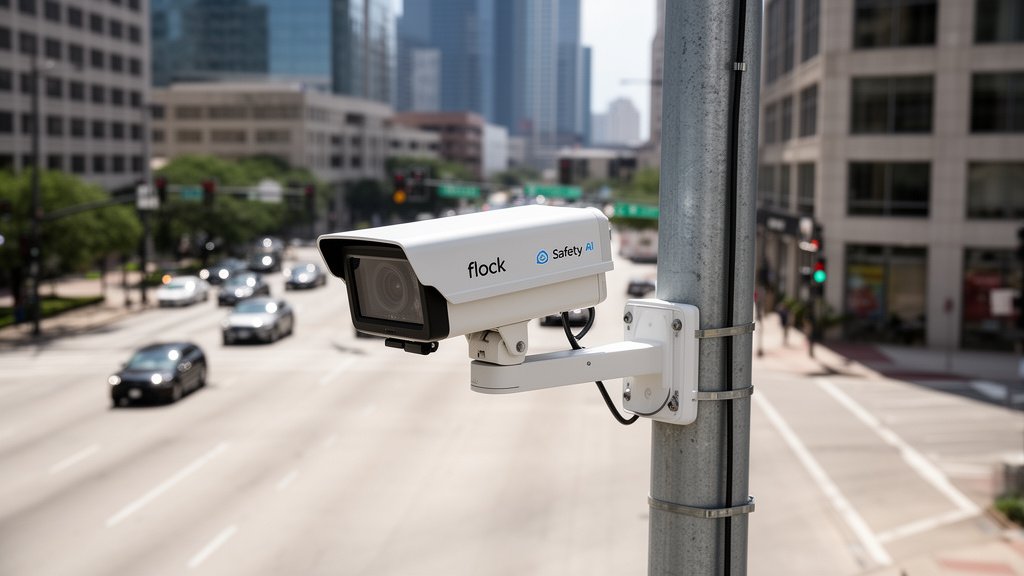

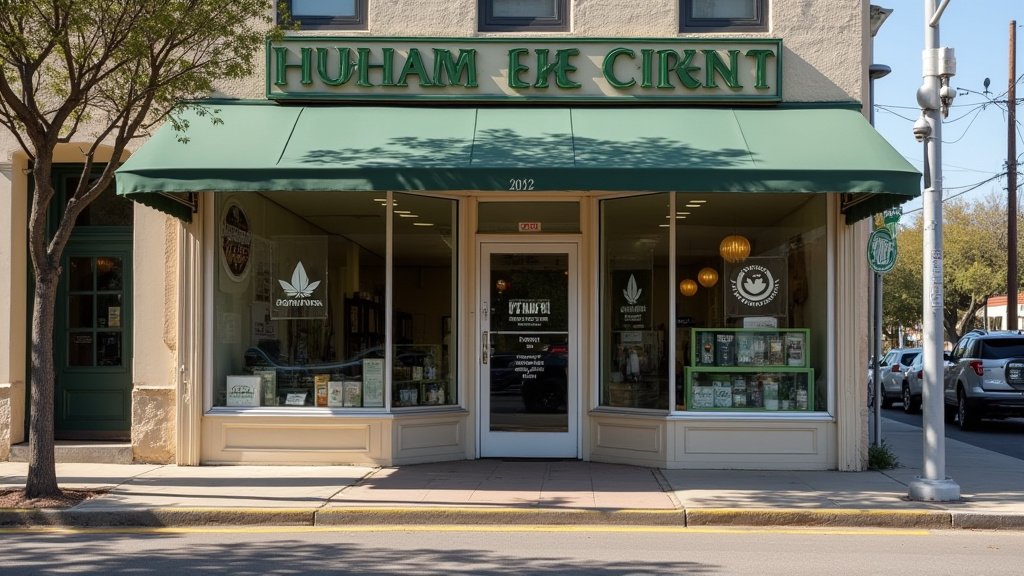
The San Antonio Police Department (SAPD) has begun active enforcement operations regarding hemp-derived cannabinoids, specifically targeting Delta-8 and Delta-10 THC products. This shift classifies these substances as Schedule I controlled substances, elevating potential charges to felony status for possession. This development creates a direct collision course between the rapidly expanding Texas smoke shop industry and local law enforcement protocols.
Key Highlights
- Schedule I Classification: SAPD is now enforcing a strict interpretation of state law, treating Delta-8 and Delta-10 THC as illegal controlled substances rather than legal hemp derivatives.
- Felony Risk: Because these substances are now categorized as Schedule I, possession can trigger felony charges, carrying significant legal and financial consequences for both consumers and business owners.
- Regulatory Conflict: The enforcement highlights the deep friction between the 2019 Texas House Bill 1325, which legalized industrial hemp, and the subsequent rise of synthetic, high-potency cannabinoids that have flooded the market.
The New Frontline: Law Enforcement vs. Hemp Derivatives
The landscape for hemp-derived products in Texas has been defined by a precarious legal gray area for years. However, the decision by the San Antonio Police Department to aggressively enforce Schedule I status on synthetic cannabinoids represents a dramatic pivot from the previously permissive status quo.
The Shift in Enforcement Protocols
Law enforcement agencies across Texas have faced increasing challenges in differentiating between legal hemp (defined as cannabis with less than 0.3% Delta-9 THC) and synthesized cannabinoids like Delta-8 and Delta-10. These products are chemically derived from CBD, a process that creates a psychoactive effect often comparable to traditional marijuana. By categorizing these specific cannabinoids as Schedule I, SAPD is effectively treating them under the same legal framework as heroin or LSD, regardless of their origin from legal hemp biomass.
This enforcement action is not merely about traffic stops; it is impacting the commercial sector. Local retailers, smoke shops, and CBD dispensaries that previously operated under the assumption of immunity provided by the 2019 Farm Bill are now facing potential raids, inventory seizures, and criminal investigations. The move signals to business owners that the state’s regulatory patience has evaporated, and the legal risks associated with stocking these products have reached a critical threshold.
Understanding the Schedule I Classification
In the Texas Controlled Substances Act, Schedule I substances are defined as those having a high potential for abuse and no currently accepted medical use in treatment. While cannabis advocates have long argued that hemp-derived products occupy a different regulatory space due to their concentration levels, police departments are increasingly relying on broader interpretations of the state’s definitions of tetrahydrocannabinols. When SAPD officers conduct testing, the difficulty lies in the complexity of the molecular structure. Unlike traditional cannabis, these synthetic derivatives require specialized lab testing to identify specific isomers. The move to classify them as Schedule I essentially streamlines the prosecution process, removing the need to debate the nuances of hemp-derived versus marijuana-derived products in court.
Economic Impact: The Retail Fallout
For the booming Texas hemp economy, this enforcement is catastrophic. Over the past four years, hundreds of independent retailers have invested millions in storefronts, supply chains, and consumer education, betting that the hemp market was a permanent fixture of the Texas landscape. The sudden crackdown by San Antonio authorities serves as a chilling effect on business investment. Store owners are now faced with the choice of pulling high-margin products from shelves—potentially losing their most profitable revenue streams—or risking felony charges and the total forfeiture of their business assets.
Legal Precedent and The HB 1325 Conflict
The core of this issue remains the interpretation of House Bill 1325, which was passed by the Texas Legislature in 2019 to authorize the production of hemp. The legislation was intended to foster an agricultural revolution, allowing farmers to grow CBD-rich crops. It did not explicitly anticipate the explosion of the synthetic cannabinoid market. Law enforcement agencies argue that they are simply upholding the state’s statutes against illicit THC, while industry lobbyists contend that the state is overstepping by criminalizing products that are federally protected under the 2018 Farm Bill. This tug-of-war between local police, state legislators, and federal regulations creates a volatile environment where the law can change based on the specific jurisdiction and the officer on the scene.
Future Outlook: What Comes Next?
As San Antonio takes this hard-line stance, eyes are turning toward the Texas Legislature. The inevitable litigation following these enforcement actions will likely force the courts to provide a definitive ruling on whether the state’s definition of “hemp” includes all isomers of THC or if the legislative intent of HB 1325 provides a defense. Until such a ruling occurs, the situation in San Antonio serves as a warning to the entire state: the era of the “legal” Delta-8 high in Texas may be coming to an abrupt end. Consumers and retailers alike are advised to prepare for a potentially protracted period of legal uncertainty, with potential for further, more restrictive measures to follow.
FAQ: People Also Ask
Is Delta-8 THC illegal in all of Texas now?
While the law remains complex, the recent actions by SAPD indicate that police in specific jurisdictions are prioritizing the enforcement of Schedule I penalties for these substances. It is a shifting landscape where local enforcement may differ from state-wide policies.
Can I still buy Delta-8 products in San Antonio?
While products may still be available in some stores, the risk of possession has increased significantly. Retailers are increasingly wary, and consumers should be aware that law enforcement may treat these products as controlled substances, which could lead to felony arrests.
How is this different from marijuana enforcement?
Traditionally, marijuana enforcement focused on Delta-9 THC concentration. The new enforcement strategies effectively bypass that distinction by categorizing all synthetic or high-potency THC isomers as Schedule I, treating them under the same severe penalties as traditional illicit drugs.